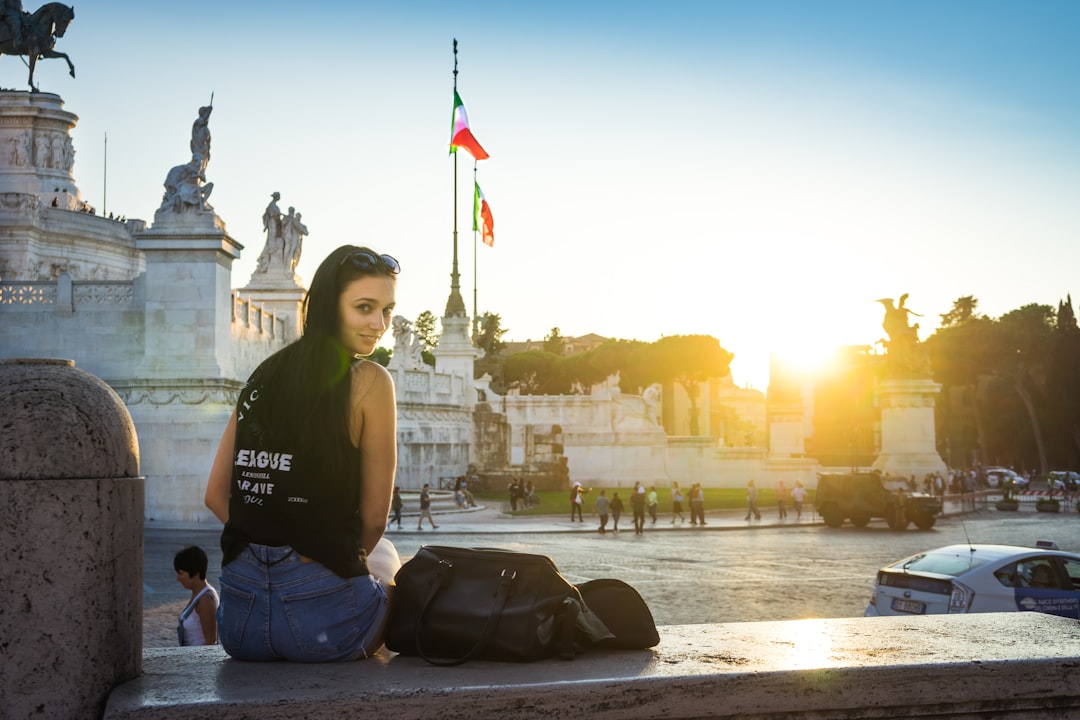
Packing light for Europe is not about suffering through your trip with three outfits. It is about choosing versatile pieces, understanding European laundry options, and accepting that nobody on the streets of Rome is judging your wardrobe rotation. A well-packed carry-on (typically 40-45 liters) is all you need for trips of any length if you pack strategically. Here is how to do it by season.
The Spring and Fall Layering System
Spring (April-May) and fall (September-October) are the trickiest seasons because temperatures can swing 15 degrees in a single day. Mornings in Prague might be 8 degrees Celsius while afternoons hit 22. The key is layering.
Start with a lightweight merino wool base layer top. Merino regulates temperature, resists odor, and can be worn multiple days without washing. Pack two. Add a mid-layer fleece or light down jacket that compresses small. Top it all with a packable waterproof shell. For bottoms, two pairs of versatile pants work: one pair of dark jeans or chinos for cities and one pair of quick-dry travel pants for hiking and active days. Three or four underwear and socks round out the basics. You will do laundry.
Summer Minimalism
Summer (June-August) packing is the easiest. Southern Europe will be hot, often above 35 degrees Celsius, so pack breathable, lightweight fabrics. Linen blends are ideal. Three to four t-shirts or tops, two pairs of shorts or light pants, a swimsuit, and a single light layer for air-conditioned museums and churches (many require covered shoulders). A packable sun hat and sunglasses are essential. Even in summer, bring one pair of long pants since some churches and upscale restaurants require them.
Winter Challenges
Winter (November-March) is where carry-on packing gets difficult. The solution is wearing your bulkiest items on the plane. Wear your heavy coat, boots, and thickest sweater for flights. Pack a compressible down jacket as backup, thermal base layers (top and bottom), and one or two warm mid-layers. A wool hat, gloves, and scarf take minimal space but make a massive difference. Merino wool socks are worth every penny when you are walking cobblestones in January.
Shoes: The Cobblestone Rule
Shoes are the most important packing decision for Europe. You will walk 15,000 to 25,000 steps daily over uneven cobblestones, marble, and gravel. Bring two pairs maximum. Your primary walking shoes should be well broken-in, supportive, and have good grip. Trail runners or comfortable walking shoes work well. Your second pair should be dressier but still walkable: leather shoes, clean sneakers, or comfortable flats. Leave the stilettos and brand-new shoes at home. Cobblestones destroy both ankles and fashion footwear.
Laundry Options in Europe
Packing light works because laundry is readily available. Self-service laundromats (called laveries in France, Waschsalons in Germany, lavanderie in Italy) exist in most neighborhoods and cost €4-8 per load. Many hotels and hostels have guest laundry facilities. Sink-washing with a small tube of travel detergent and a universal drain plug handles underwear and base layers overnight. Quick-dry fabrics make sink washing practical for all but the heaviest garments.
Electronics and Adapters
Most of continental Europe uses Type C (Europlug) outlets. The UK and Ireland use Type G. Switzerland uses Type J. Bring a single universal adapter or a small Type C adapter for the continent and a Type G if visiting Britain. A compact power strip or multi-USB charger lets you charge multiple devices from one adapter. European voltage is 220V versus 110V in North America, but virtually all modern phone chargers, laptop adapters, and camera chargers are dual-voltage (check the fine print on the charger). Hair dryers and curling irons are the main devices that may need a voltage converter or should just be left at home.
TSA vs European Security
European airport security is generally similar to TSA but with a few differences. Liquids must still be in containers of 100ml or less in a clear bag, though some European airports have updated scanners that no longer require removing them. Laptops usually need to come out of bags. Some European airports are stricter about food items. One advantage: shoes typically stay on at European security checkpoints. Pack your carry-on so electronics and liquids are easily accessible at the top or in an outside pocket.
The ultimate carry-on packing test: can you comfortably carry everything you have packed for 20 minutes over cobblestones? If not, you have packed too much. Edit ruthlessly. Europe has stores if you forget something essential.



Leave a Reply