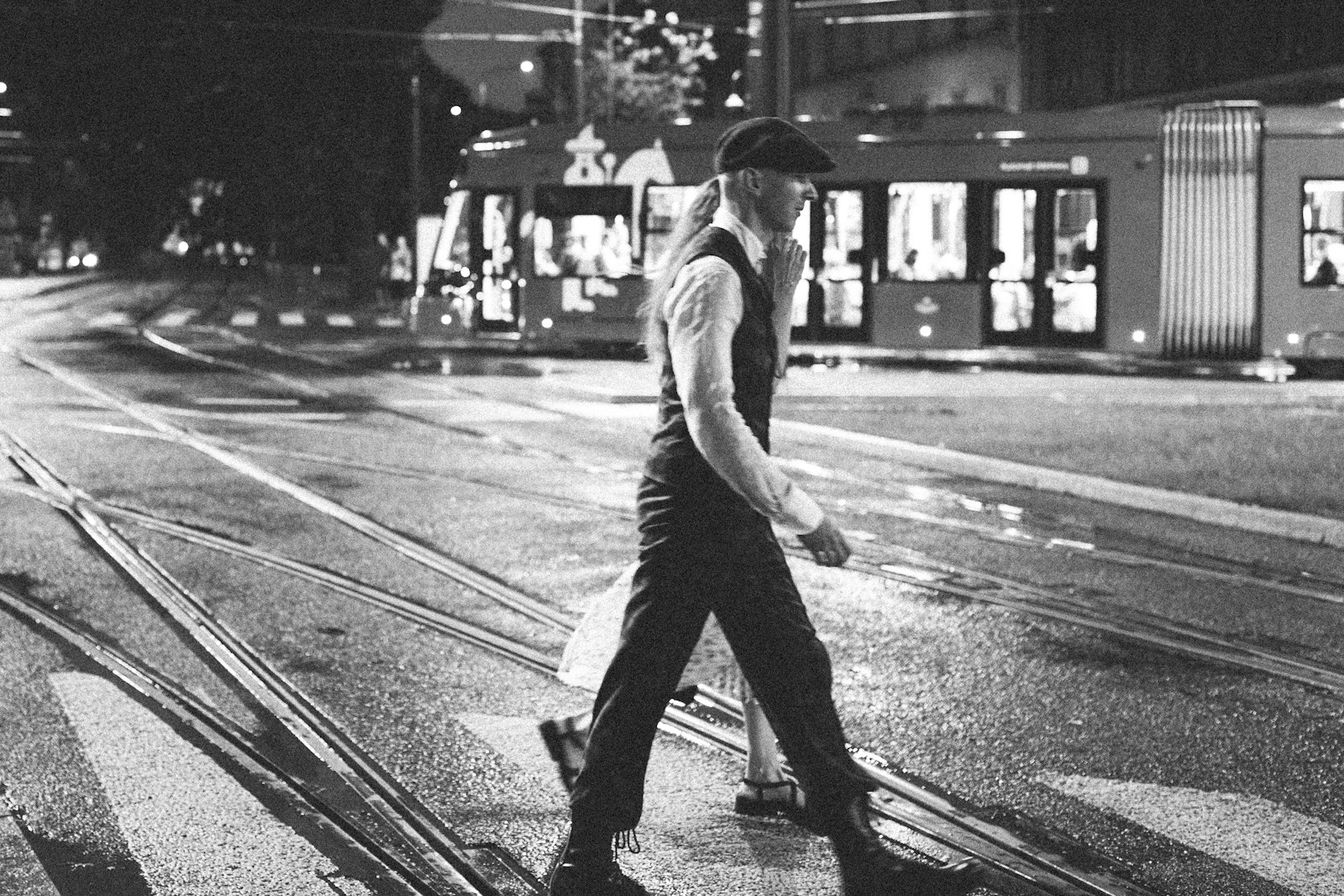
Peaky Blinders has captivated audiences worldwide with its gritty portrayal of post-World War I crime, street gangs, and industrial England. While the show is set in Birmingham, production actually spanned multiple locations across the Midlands and Northwest, creating an immersive world of early 20th-century urban decay, industrial heritage, and working-class culture. For fans of the series, visiting these locations offers a chance to understand both the real history behind the show’s drama and the locations where the fictional Shelby family’s empire was built on screen.
Understanding the Real Peaky Blinders
Before exploring filming locations, it’s important to understand that the real Peaky Blinders were an actual Birmingham street gang from the late 19th and early 20th centuries. Young working-class men, often unemployed or underemployed, wore distinctive flat caps and sewed razor blades into the peaks—hence “peaky blinders.” They engaged in street fighting, illegal gambling, and protection rackets. The Netflix show, while historically inspired, is significantly dramatized. The real gang was smaller, less sophisticated, and had dissolved by the 1920s.
Understanding the real history enriches visiting the filming locations because you’re not just seeing where a TV show was filmed; you’re walking through neighborhoods where genuine working-class crime and gang activity occurred, understanding the social conditions that produced it, and appreciating how modern dramatization transforms historical reality into entertainment.
Birmingham’s Digbeth Area
Digbeth, a neighborhood in Birmingham’s historic city center, is the primary filming location for the show’s Birmingham settings. The area’s Victorian and Edwardian industrial architecture—warehouses, factories, small shops, and dense residential streets—provided the perfect backdrop for depicting early 20th-century working-class life.
Today, Digbeth is undergoing gentrification, with old warehouses being converted to restaurants, bars, and lofts. However, much of the original industrial architecture remains, and fans can walk the streets, recognize filming locations, and appreciate the raw urban texture that made the show’s aesthetic so distinctive. The area’s mix of preserved industrial buildings and new creative uses makes it feel authentically transitional—fitting for a show about transformation and modernization.
Key Digbeth locations include:
- Deritend area: various street scenes and working-class neighborhood settings
- The industrial waterfront: the canal and surrounding areas appear in various scenes
- Local pubs: some actual pubs served as filming locations and still operate, offering opportunities to grab a drink in a location featured in the show
Digbeth has good restaurants and bars now, and walking around provides an appreciation for Birmingham’s industrial heritage and the working-class neighborhoods that produced the real Peaky Blinders.
The Black Country Living Museum
The Black Country Living Museum (located in Dudley, about 20 minutes south of Birmingham city center) is a museum dedicated to preserving and interpreting the industrial heritage of the Black Country—the industrial region centered on Birmingham, Dudley, and Wolverhampton.
Remarkably, Peaky Blinders used the Black Country Living Museum as a filming location, taking advantage of its reconstructed historical buildings and authentic period atmosphere. The museum itself is more valuable than as merely a Peaky Blinders location—it’s a comprehensive look at working-class industrial life, with reconstructed shops, homes, and workplaces that provide context for understanding the social world the show depicts.
Entry to the museum is around £16-18 USD, and a full visit takes 3-4 hours. The museum includes:
For Peaky Blinders fans, the museum provides essential context for understanding the working-class environment that produced the gang culture the show dramatizes. For industrial heritage enthusiasts, it’s one of Britain’s finest museums dedicated to labor history and material culture.
Liverpool’s Docks (Filming for 1920s Birmingham)
Interestingly, much of the Birmingham street scenes in Peaky Blinders were actually filmed in Liverpool. Liverpool’s historic dock areas, with their Victorian and Edwardian architecture, dense street layouts, and working-class character, served as stand-ins for 1920s Birmingham street scenes.
This required a shift in filmmaking philosophy—instead of filming in the actual city depicted, production used another industrial city with similar architecture and aesthetic qualities. This approach is increasingly common in filmmaking, particularly when the “authentic” location has been too extensively modernized.
If you’re visiting Liverpool for Beatles heritage (see the separate Beatles guide), you can appreciate how the city’s industrial and dock areas double for other cities in film and television. The Albert Dock area, while now gentrified and tourist-friendly, retains enough original architectural character that you can imagine how it served as a filming backdrop for 1920s Birmingham.
Filming in Manchester
Manchester, another industrial city in the Northwest, also served as a Peaky Blinders filming location. The city’s industrial heritage, Victorian architecture, and working-class neighborhoods provided additional settings for the show. Like Birmingham and Liverpool, Manchester has undergone significant gentrification, but its industrial heritage remains visible and accessible.
Manchester’s Northern Quarter has been redeveloped as a creative and cultural hub while retaining much of its original Victorian industrial architecture. Walking through this area, you appreciate how 19th and early 20th-century industrial cities share common architectural and spatial characteristics.
The Garrison Pub
While specific Birmingham pubs may or may not have served as filming locations (exact details are sometimes proprietary to production), the concept of the pub as a working-class social center is essential to understanding Peaky Blinders. The show depicts pubs as spaces where gambling, dealings, and social life converge.
Birmingham has numerous historic pubs from the period, and visiting them provides atmospheric context for understanding the social world depicted in the show. Many pubs have been refurbished but retain original architectural features—dark wood, etched glass, period decorative elements—that create an authentic vintage pub atmosphere.
Arley Hall
Arley Hall, a historic country house near Manchester, served as a filming location for aristocratic and upper-class scenes in Peaky Blinders. The hall’s grand interiors and gardens provided contrast to the working-class street scenes, visually representing the class divisions that the show explores.
Arley Hall is open to the public during the summer months, with entry around £12-14 USD. The house offers a window into aristocratic material culture and domestic life, providing context for understanding the show’s depiction of class conflict and social hierarchy.
How Peaky Blinders Sparked Birmingham Tourism
Peaky Blinders’ enormous popularity sparked renewed interest in Birmingham and the Midlands as filming and tourism destinations. The show demonstrated that industrial heritage, working-class culture, and gritty urban atmosphere could be compelling subject matter for prestige television. This, in turn, led to increased tourism and renewed appreciation for Birmingham’s industrial heritage.
The city has capitalized on the show’s popularity, with organized Peaky Blinders tours, merchandise, and marketing that emphasizes the show’s connection to Birmingham. While some might argue this is opportunistic, it’s also an example of popular culture driving tourism and renewing appreciation for places that had been overlooked or stigmatized.
Planning a Peaky Blinders Midlands Tour
A comprehensive Peaky Blinders locations tour would require 4-5 days:
Days 1-2: Birmingham
Day 3: Black Country Living Museum
Days 4-5: Manchester or Liverpool
Accommodation:
Best Time to Visit:
Beyond the Show: Understanding Peaky Blinders’ Historical Context
What makes Peaky Blinders locations particularly valuable is that they’re rooted in actual historical geography and working-class experience. When you visit Digbeth or the Black Country Living Museum, you’re not just seeing where a TV show was filmed; you’re experiencing the actual neighborhoods and material culture that produced both the real Peaky Blinders and the social conditions the show dramatizes.
Understanding this context—the industrial economy, working-class life, post-war unemployment, street violence—transforms a Peaky Blinders locations tour from entertainment-focused fandom into something closer to social and labor history. You’re appreciating how a prestige television show dramatizes real working-class experience while acknowledging that dramatization, while compelling, inevitably simplifies and transforms historical reality.
A Peaky Blinders Midlands tour ultimately celebrates both the show’s artistry and the genuine industrial heritage and working-class culture it depicts. It’s a way to ground television drama in historical reality and to understand how popular culture engages with and transforms the lived experience of ordinary people and communities.




Leave a Reply