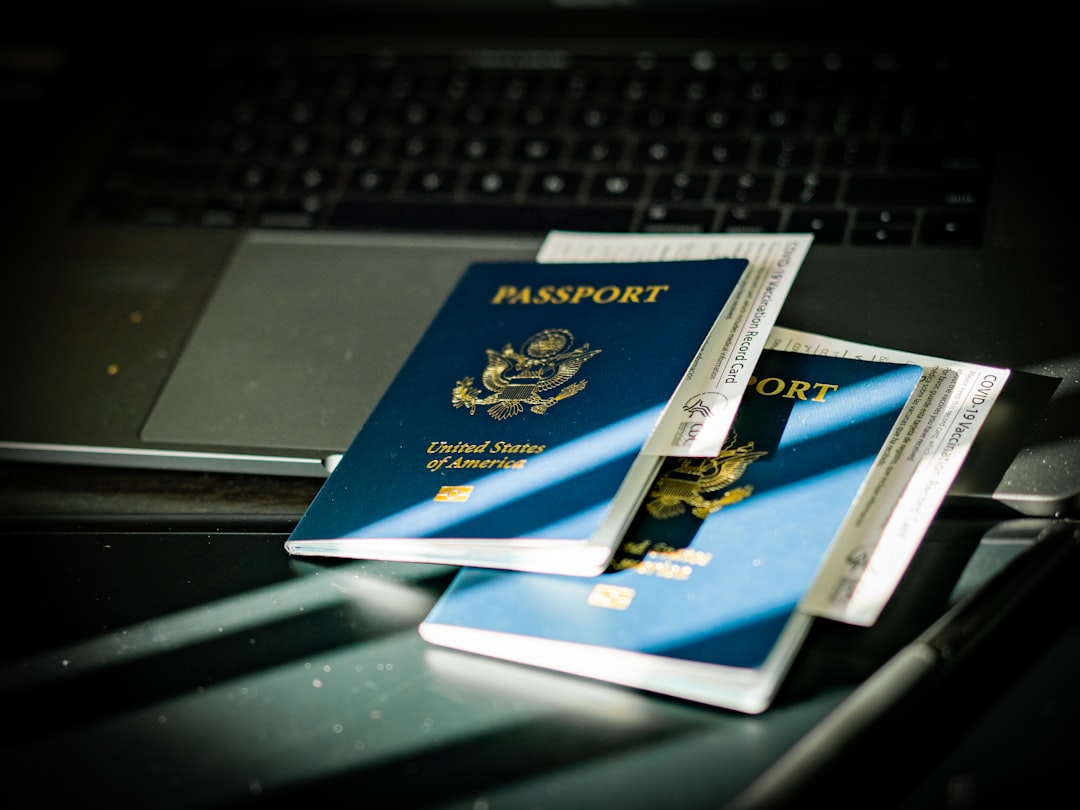
The Good News About Being American in Poland
As an American citizen, you have several advantages when considering relocation to Poland. First, the United States and European Union have reciprocal visa-free travel agreements—you don’t need a visa to enter Poland. Second, because of Polish immigration ancestry being common among Americans, many citizens qualify for special residency benefits unavailable to other nationals. Third, Poland actively encourages foreign talent through streamlined work and business permits.
Understanding your options is crucial because your visa category determines access to employment, healthcare, social benefits, and eventually, permanent residency and citizenship.
The Schengen 90-Day Visa Waiver
Let’s start with the simplest option: the Schengen Agreement allows American citizens to travel visa-free throughout the Schengen Area (which includes Poland) for up to 90 days within any 180-day period.
What this means: You can enter Poland without a visa and stay for 90 days. This is perfect for testing relocation before committing, short-term visits, or if your plans are genuinely temporary.
What it doesn’t allow: Employment, self-employment, business operation, or permanent establishment. You cannot work legally on a Schengen visa waiver, though you can freelance remotely for clients outside Poland.
When it works: Sabbaticals, digital nomads with non-Polish clients, research visits, or genuine short-term stays.
Important: The 90 days is rolling. If you leave Poland and re-enter within 180 days, your time counts toward the limit. You cannot reset it by crossing a border.
The Temporary Residence Permit (Karta Pobytu) – Your Primary Option
For Americans planning stays longer than 90 days, the Temporary Residence Permit (karta pobytu) is the most flexible option. There are several subcategories:
Employment-Based Karta Pobytu
Who qualifies: Anyone with a job offer from a Polish employer.
Requirements:
- Employment contract (umowa o pracę) from a Polish company
- Application at your local Immigration Office (Urząd ds. Cudzoziemców)
- Proof of health insurance
- Proof of financial means (typically €400-500 monthly minimum)
- Medical certificate (TB test)
- Valid passport
- Your employer may need to provide documentation too
How long: Initial permit is typically 1-3 years, renewable. After 5 years with this status, you can apply for permanent residence.
Cost: Approximately 340 PLN (~$85 USD) for processing.
Timeline: 30-45 days for processing.
Advantages: Full legal employment status, access to healthcare, Social Security contributions, possibility of sponsoring family members, pathway to permanent residency.
Polish bureaucratic reality: The employer’s role matters. Some larger companies handle visa sponsorship routinely; smaller companies might find it complicated. Technology, shared services, and international companies typically have established processes.
Business/Self-Employment Karta Pobytu
Who qualifies: Americans starting a business, operating as self-employed, or establishing a one-person company (jednoosobowa działalność gospodarcza).
Requirements:
How long: Typically 1-3 years, renewable.
Cost: ~340 PLN for the permit; separately, business registration costs ~100-200 PLN.
Timeline: 30-60 days.
Important consideration: You must actually operate a legitimate business. You cannot register a company as a cover for full-time employment elsewhere. That said, the business can be consulting, digital services, e-commerce, or similar knowledge-work.
Tax structure: Self-employed individuals choose their tax system—you can use the standard progressive tax (around 17-32%), or elect for a “flat tax” (19% for some income types). Most expat consultants find the flat tax beneficial.
National Visa (Type D) for Longer-Term Stays
The National Visa is technically a long-stay visa rather than a residence permit, but it serves similar purposes for initial entry.
Who qualifies: Anyone who has arranged housing, employment, study, or family reunification in Poland.
How it works: You apply at a Polish consulate in the US before traveling. Upon arrival in Poland, you convert this to a Temporary Residence Permit.
Advantages: Clarity of intent before arrival; sometimes easier consulate processing than border processing.
Disadvantages: Requires advance planning and consulate appointment (which can take weeks to schedule).
Work Permits (Employer-Sponsored)
There’s technically a difference between a “work permit” (separate document) and employment-based residence permit. In practice, for Americans, the residence permit approach is simpler than the historical work permit route.
Old system: Employer applies for work permit; you apply separately for visa/residence.
New system (and recommended approach): Employer and you coordinate on residence permit application directly.
Most modern employers in Poland prefer the direct residence permit application because it’s more straightforward and permanent.
Student Visa
Who qualifies: Americans enrolled in a Polish higher education institution.
How it works: Enroll in a university, get an acceptance letter, apply for student residence permit.
Requirements:
Duration: For the length of your studies, typically 1-2 years, renewable upon continued enrollment.
Advantages: Very affordable education in Poland; pathway to work after graduation; residence status enables part-time work (up to 20 hours weekly during term).
Cost: Student permits are among the cheapest residence permits (~135 PLN). University tuition at public institutions is often free for EU citizens but charged for non-EU (around €2,000-5,000 annually depending on major).
Family Reunification Visa
Who qualifies: Anyone with a Polish spouse, established Polish common-law partner, or Polish parent (if under 25).
How it works: Polish family member sponsors you; application through Immigration Office.
Requirements:
Duration: Typically 3-5 years, renewable.
Timeline: 45-60 days processing.
Advantages: Access to family reunification benefits, permanent residency pathway faster (spouse sponsorship path can lead to permanent residency after 2 years).
The Karta Polaka (Polish Card) – Your Secret Weapon If Eligible
If you have Polish ancestry—specifically, if any grandparent was Polish or a Polish citizen—you may qualify for the Karta Polaka (Polish Card).
Qualification requirements:
What it provides:
How to apply:
Cost: Free or minimal (typically under $50 for documentation).
This is significant: If you qualify, the Karta Polaka essentially gives you EU residency rights without the work permit complexity. Many Americans with Polish heritage don’t realize they have this option.
EU Long-Term Resident Status
After 5 years of continuous legal residence in Poland (whether through employment, business, or other visa categories), you become eligible for EU Long-Term Resident status (statut rezydenta długoterminowego).
What it provides:
Requirements:
How to apply: Through Immigration Office.
Cost: Approximately 340 PLN.
Timeline: 30-45 days.
This status is often overlooked but is strategically important—it grants substantial rights while you’re considering permanent residency.
Permanent Residency (Pobyt Stały)
After 5 years with Karta Polaka, or 10 years with other residence permit types, you become eligible for Permanent Residency.
What it provides:
How to apply: Immigration Office after meeting the time requirement.
Requirements:
Cost: Approximately 340 PLN.
This is not quite citizenship, but it’s the penultimate step. Many expats who’ve lived in Poland for a decade don’t rush to citizenship but maintain permanent residency.
Polish Citizenship
Poland allows dual citizenship, making this attractive for Americans.
Timeline to eligibility:
Requirements:
Application process:
Cost: Approximately 640 PLN (~$160 USD).
Timeline: 12-24 months from application to approval.
Considerations: You don’t need citizenship to live and work indefinitely in Poland if you have permanent residency. Some expats maintain American citizenship exclusively; others apply for Polish citizenship after establishing genuine ties and language proficiency.
Practical Visa Decision Matrix
Staying 1-3 months, no work: Schengen visa waiver (enter visa-free, stay 90 days).
Staying 1-2 years, employed: Employment-based Temporary Residence Permit.
Staying 1-3 years, self-employed: Business/Self-Employment Temporary Residence Permit.
Planning indefinite stay, have Polish ancestry: Karta Polaka (apply at consulate before arriving).
Planning indefinite stay, married to Polish person: Family Reunification visa.
Enrolled in Polish university: Student visa.
Unsure but exploring: Karta Polaka (if eligible) or Schengen stay, then transition to permanent status once committed.
Common Visa Mistakes Americans Make
Overstaying Schengen: The 90/180 rule is strictly enforced. Border agents have computerized records. Overstaying even 1 day can result in fines, deportation, and multi-year re-entry bans.
Assuming “remote work” is legal on Schengen: It isn’t. Freelancing is a gray area; employment is clearly prohibited. If you’re doing billable work for Polish clients or a Polish employer, you need a work permit or self-employment status.
Not getting PESEL immediately: The PESEL registration is not optional. Without it, you cannot open a bank account, register for healthcare, or establish legal residence. Get this done within days of arrival.
Changing employment without visa change: If you switch employers, your employment permit may not automatically transfer. Notify Immigration Office of employment changes.
Leaving and assuming re-entry resets your 90 days: It doesn’t. The 90/180 count is continuous across borders.
Resources for Visa Applications
Final Visa Strategic Thinking
Your visa category shapes your Poland experience. Employment-based residence is straightforward but ties you to your employer. Business/self-employment is flexible but requires genuine business operation. Karta Polaka (if eligible) is the golden ticket—it gives you maximum flexibility with minimum bureaucracy. Family reunification is ideal if applicable. Student visas offer an affordable pathway to longer-term residence.
Most Americans don’t need to choose a visa before arriving—you can use the 90-day Schengen period to evaluate, meet potential employers, scope out the business environment, and then choose your path. But for those planning to stay longer than 90 days immediately, having your visa strategy planned in advance will make your relocation significantly smoother.
The bureaucratic complexity is real but manageable. Thousands of Americans have successfully navigated these paths. You can too.




Leave a Reply