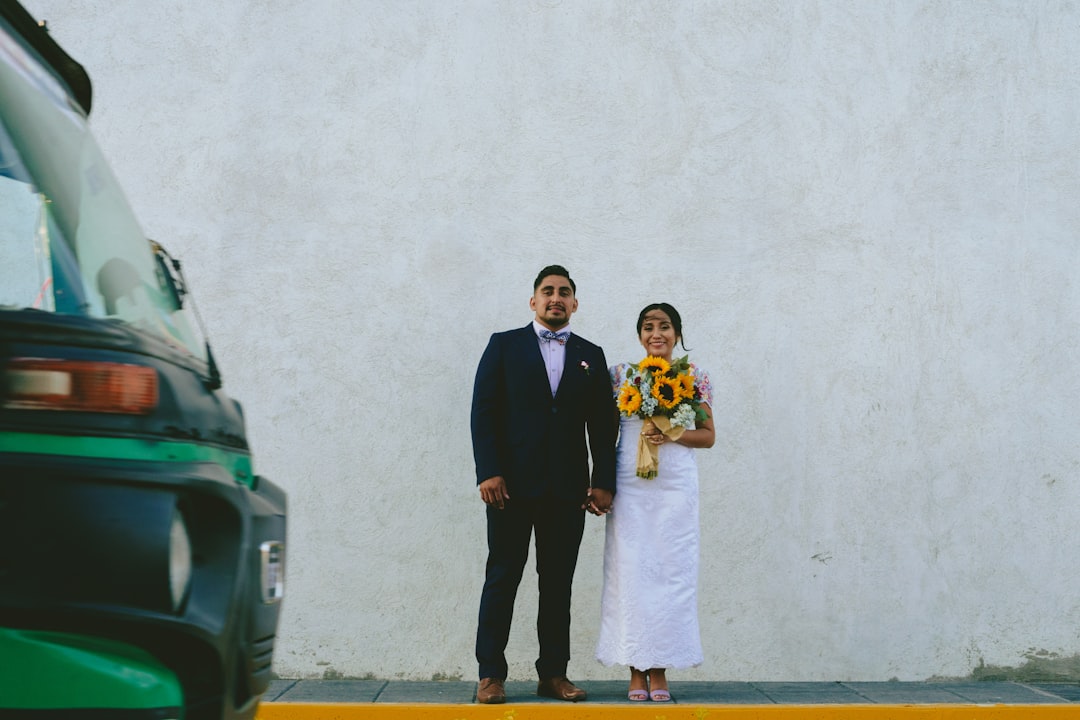
Polish weddings are not small events. They are not quiet, refined, or brief. They are large, loud, joyful, and seemingly endless celebrations that involve hundreds of people, massive quantities of food and vodka, and a sense that stopping the party would be vaguely immoral.
If you’ve been invited to a Polish wedding, congratulations: you’re about to have an experience that will either delight you or exhaust you (probably both). If you’ve been to weddings in other countries, prepare to recalibrate your expectations entirely.
A Polish wedding is not a ceremony with a reception. It’s a multi-day event that incorporates ritual, feasting, drinking, dancing, games, and a scale of celebration that reveals everything about Polish culture: community, generosity, the importance of family, the value of togetherness, and the belief that some occasions are important enough to sacrifice sleep and sobriety for.
The Scale: 200-400 Guests Is Normal
Western weddings are often 50-150 people. Polish weddings are typically 200-400 people. These are not exclusively large-family weddings—in many cases, significant portions of the guest list are not close relatives but rather extended family, friends of parents, friends of friends, colleagues, and neighbors.
The practical implication: the bride and groom might not personally know everyone at their own wedding. The point is not an intimate gathering of people closest to the couple. The point is a celebration involving the community, the extended networks, everyone who cares about the family.
This requires planning at a scale that Western wedding planning barely approaches. You’re not just figuring out seating for 75 people. You’re organizing 300+ people, their meals, their accommodations (many guests travel), their entertainment, and their vodka consumption (which is calculated per guest, not estimated).
The wedding often takes place in a reception hall or country venue because restaurants can’t accommodate this many people. It’s a dedicated space for the event, often decorated elaborately, with a capacity specifically designed for large celebrations.
The Vodka Calculation: It’s Literally Calculated
At a Polish wedding, the amount of vodka is not improvised. It’s calculated. The formula is approximately 0.5-0.75 liters per guest for a multi-hour event, scaled up if the wedding extends into the night (which it will).
This is not exaggeration. This is the actual calculation. A 300-person wedding expects 150-225 liters of vodka. Multiply that by the cost per bottle, and you understand: vodka is a significant line item in a Polish wedding budget.
The vodka is consumed throughout the evening during toasts. There are many toasts. Each toast involves raising a glass, saying something about the bride or groom (or just saying “Na zdrowie!”), and drinking. If you’re at a table of 8 people and 6 of them stand to toast, you’re drinking 6 shots of vodka before the main course has even arrived.
The beer, wine, and other spirits are also available, but vodka is the drink that marks the toasts, which mark the evening. The celebration is structured, in part, by the rhythm of toasts and the shots of vodka that accompany them.
By the end of the evening, many guests are quite drunk. This is not considered unfortunate—it’s considered evidence that the wedding was good, that the celebration was sufficient, that the occasion warranted the sacrifice of sobriety.
The Oczepiny: The Midnight Bride Unveiling
At some point during the evening (traditionally around midnight), a ceremony called the oczepiny (unveiling) takes place. In this ritual, the bride’s veil is removed. This traditionally marked the moment when the bride transitions from being a virgin maiden to a married woman, but in modern Polish weddings, it’s been reinterpreted as more of a ceremonial moment rather than a symbolic declaration of virginity.
The ritual works like this: someone (usually the mother-in-law or a designated woman) removes the bride’s veil. Then the bride (now unveiled) is expected to put on a married woman’s crown or hat (the style varies). This marks her transition.
It’s also a moment when drunk relatives often stand up with poems, songs, or speeches. The poetry is usually maudlin, funny, or both. The purpose is to celebrate the bride and mark the occasion ceremonially.
After the oczepiny, the energy of the wedding sometimes shifts. The formal dinner portion is over. The dancing continues with more abandon. The night becomes even more unstructured and wild.
The Money Dance: Paying for the Party
At some point during the dancing, the money dance happens. Guests pay money (anywhere from 50 to 500 złoty depending on relationship to the couple and their economic circumstances) for the privilege of dancing with the bride or groom.
This might sound mercenary, but it serves several purposes: it’s a way for guests to contribute to the newlyweds’ financial well-being, it creates a structured time for dancing with the couple (which many guests want to do), and it’s a tradition that guests often look forward to.
The money collected can be substantial—thousands of złoty in total. The couple uses it to help pay for the wedding or to start their new life together. It’s a way of the community materially supporting the couple’s transition.
The Multi-Course Feast That Never Stops
The food is served in courses, and the courses continue throughout the evening. It’s not a one-time meal. It’s a progression:
Starter: Often soup. Żurek or another traditional soup.
First Main Course: Perhaps a fish course or a lighter meat option.
Second Main Course: Often roasted meat—pork, chicken, beef—with potatoes and vegetables.
Additional mains: Sometimes a third main course, or additional protein options.
Cake: Elaborate wedding cake, often multi-tiered.
Desserts: Additional sweets, fruits, chocolates.
Midnight snack: Because by midnight, people need more food. Often kielbasa, bread, cheese, pickles.
Next morning: Some weddings continue the next day with a breakfast (poprawiny, discussed below) featuring more food and vodka.
The purpose of all this food is partly hospitality (you feed your guests abundantly to show respect) and partly practical (food slows the rate of alcohol intoxication and keeps people going through the night).
The Band That Never Stops Playing
At the center of most Polish weddings is a live band. This is not a DJ. This is an actual band—sometimes quite good—that plays the entire evening. They play polkas, waltzes, contemporary Polish hits, requests, and sometimes international songs adapted to Polish style.
The key feature: nearly every song gets danced to. When the band plays, people dance. This is not optional. The band doesn’t play slow background music for conversation. The band plays dance music, and people dance.
This creates a rhythm to the evening: eating, then dancing, then toasting, then eating again, then dancing again. The band is driving the pace and energy.
By the end of the night, the band has been playing for 8-10 hours straight. The dancers are exhausted. But the band keeps playing.
The Poprawiny: The Second-Day Party
Because one day isn’t enough, many Polish weddings include a poprawiny (correction or improvement party) on the second day. This is attended by close family, remaining guests, and sometimes new people who weren’t at the main wedding. It’s a smaller, less formal celebration that often happens at someone’s house or a restaurant.
The poprawiny often features more casual food, more drinking, more karaoke or informal entertainment, and more unstructured celebration. Some weddings have multiple poprawiny events over several days.
The joke is that the poprawiny is when the real celebration happens—the main wedding is formal and structured, but the poprawiny is when people actually relax and have fun. In reality, both are celebratory occasions, but the poprawiny represents the refusal of the celebration to end.
Why Polish Weddings Are This Way: Cultural Values Revealed
Polish weddings are enormous, exhausting celebrations because Polish culture values certain things deeply:
Community: A wedding is not a private moment for two people. It’s a community event that involves everyone in the extended network. The size reflects the belief that this is everyone’s occasion.
Generosity: Abundance is a sign of respect. Feeding people abundantly, providing vodka abundantly, ensuring the party continues abundantly—these are ways of showing that you value the guests and the occasion.
Endurance: The willingness to stay up all night, to keep dancing, to keep celebrating beyond what might be comfortable—this is seen as a virtue. Stopping early suggests the occasion wasn’t important enough to sacrifice comfort for.
Joy: Polish weddings are loud, chaotic, and joyful. There’s an acknowledgment that some occasions warrant excess and abandon.
Family and tradition: Many of the rituals—the oczepiny, the vodka toasts, the multi-course meals, the traditional music—connect the wedding to Polish history and tradition.
Practical Information If You’re Invited
Expect to stay late: Midnight at minimum. Possibly 3-4am. Possibly until dawn.
Eat before you arrive: The food service is interspersed with other activities. Don’t expect to eat immediately.
Bring cash: You’ll need cash for the money dance.
Dress nicely but be prepared to sweat: Weddings often involve a lot of dancing in warm venues.
Accept vodka toasts: At least participate in one or two. It’s part of the tradition.
Dance if asked: Poles often invite guests to dance. Say yes. Don’t worry about dancing well—enthusiasm is what matters.
Be prepared for chaos: Weddings are loud and chaotic by Western standards. This is normal and intentional.
The couple might be tired: The bride and groom often look exhausted by the end because they’ve been greeting guests, dancing, posing for photos, and participating in rituals for 8+ hours. This is normal and expected.
Conclusion: A Wedding as Cultural Mirror
Polish weddings reveal what Poles value: community over privacy, abundance over restraint, endurance over comfort, tradition over modernity, and the belief that some occasions are important enough to reorganize your entire life around.
They’re exhausting, overwhelming, and absolutely worth experiencing if you’re invited. You’ll see Polish hospitality at its most extreme, Polish joy at its most unrestrained, and Polish culture at its most authentic.
You’ll also understand why, after several drinks and several hours of dancing, when someone says “Jeszcze raz!” (one more time), the band plays another song and people somehow find the energy to dance again. Because in Poland, some occasions are never quite over—they just keep going because the celebration, the community, and the togetherness are too important to stop.
That’s what a Polish wedding is: not an event that ends at a specific time, but a statement that this moment, this gathering, this celebration is too precious to end as long as anyone still has energy to continue it.




Leave a Reply