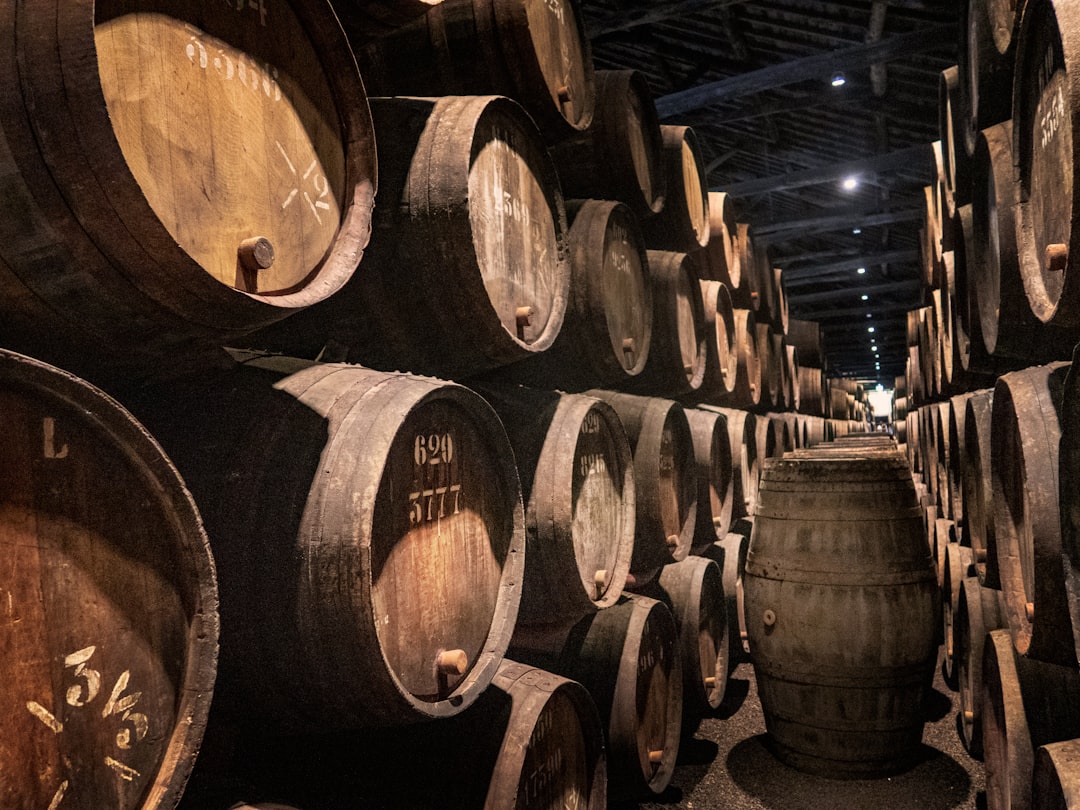
Port wine is one of the world’s great drinks, but it can be bewildering for beginners. The styles range from light and fruity to dark and complex, the terminology is arcane, and the fact that it’s technically made across the river from the city it’s named after adds a layer of geographical confusion. Here is everything you need to know to walk into a Porto wine lodge, taste with confidence, and bring home a bottle you’ll actually enjoy.
A Quick History
Port wine is produced in the Douro Valley, about 100 kilometers upriver from Porto, where grapes have been grown on impossibly steep terraced hillsides since Roman times. In the 17th century, British merchants began adding brandy to the wine to preserve it during the long sea voyage to England. The fortification process — adding grape spirit to stop fermentation, which preserves natural sweetness — became the defining technique of port production. The wine was shipped downriver to Porto and stored in lodges in Vila Nova de Gaia, the town directly across the Douro from Porto’s historic center. Most major port houses still maintain their lodges there, lined up along the waterfront with their names displayed in giant letters on the rooftops.
Understanding the Styles
Port comes in four main styles, and understanding the differences is the key to knowing what you like.
Ruby Port is the youngest and most straightforward style. It’s aged briefly in large vats to preserve its bright, fruity, red-berry character. Basic ruby is an excellent everyday port — vibrant, sweet, and approachable. Reserve ruby is a step up in quality, and the finest expression of the ruby family is Late Bottled Vintage (LBV), aged four to six years before bottling, with richer, more concentrated fruit flavors.
Tawny Port is aged in smaller oak barrels (pipes), where it gradually oxidizes, developing amber color and flavors of caramel, nuts, butterscotch, and dried fruit. Young tawny is light and simple; the magic begins with Tawny 10 Year Old, which offers an extraordinary balance of nutty sweetness and fresh acidity. Twenty-year and forty-year tawnies are increasingly complex and expensive, with flavors that can include orange peel, coffee, and tobacco. Tawny is best served slightly chilled and pairs beautifully with desserts, nuts, and cheese.
White Port, made from white grapes, ranges from sweet to dry. Dry white port mixed with tonic water, ice, and a sprig of mint has become Porto’s signature cocktail — called a “portonic” — and is the perfect drink on a hot afternoon overlooking the Douro.
Rose Port is a recent innovation: fresh, fruity, and designed to be served chilled. It’s not taken seriously by port traditionalists, but on a rooftop bar on a summer evening, it’s delicious and refreshing.
Vintage Port represents the pinnacle. Vintage port is declared in exceptional years (only about three per decade), made from the best grapes of the best vineyards, and aged in bottle for decades. Young vintage is tannic, powerful, and needs years of cellaring. Mature vintage — twenty, thirty, forty years old — is one of the most profound wine experiences available, with layers of dark fruit, spice, chocolate, and earth.
Visiting the Lodges in Vila Nova de Gaia
The major lodges along the Gaia waterfront all offer tours and tastings. Graham’s, perched on a hilltop with panoramic views, offers one of the most comprehensive tours, including a walk through the atmospheric barrel-aging cellars and a tasting of multiple styles, from ruby through aged tawny. Taylor’s, one of the oldest port houses, has a beautiful tasting room and an excellent restaurant. Sandeman, instantly recognizable by its caped silhouette logo, offers well-organized tours ideal for beginners. Smaller houses like Ramos Pinto and Croft provide more intimate experiences. Tastings typically cost ten to twenty euros and include three to five wines. Book ahead during summer.
Bringing Bottles Home
- Tawny 10 Year Old is the best value in port — world-class wine for fifteen to twenty euros
- LBV is the best value in the ruby family — complex, satisfying, and under fifteen euros
- Port bottles travel well; the fortification means they’re more stable than regular wine
- Buy from lodge shops or Garrafeira Nacional in Lisbon for the best selection and prices
- If bringing bottles in checked luggage, wrap them in clothing and pack them in the center of your suitcase
Port wine rewards patience — both in the glass, where it opens up over thirty minutes, and in life, where a bottle tucked away in a cool closet will improve for years. Start with a ten-year tawny, graduate to LBV, and eventually, when the occasion demands something extraordinary, open a bottle of aged vintage. Porto is the perfect city in which to begin this journey — beautiful, affordable, and completely devoted to the art of this remarkable wine.




Leave a Reply