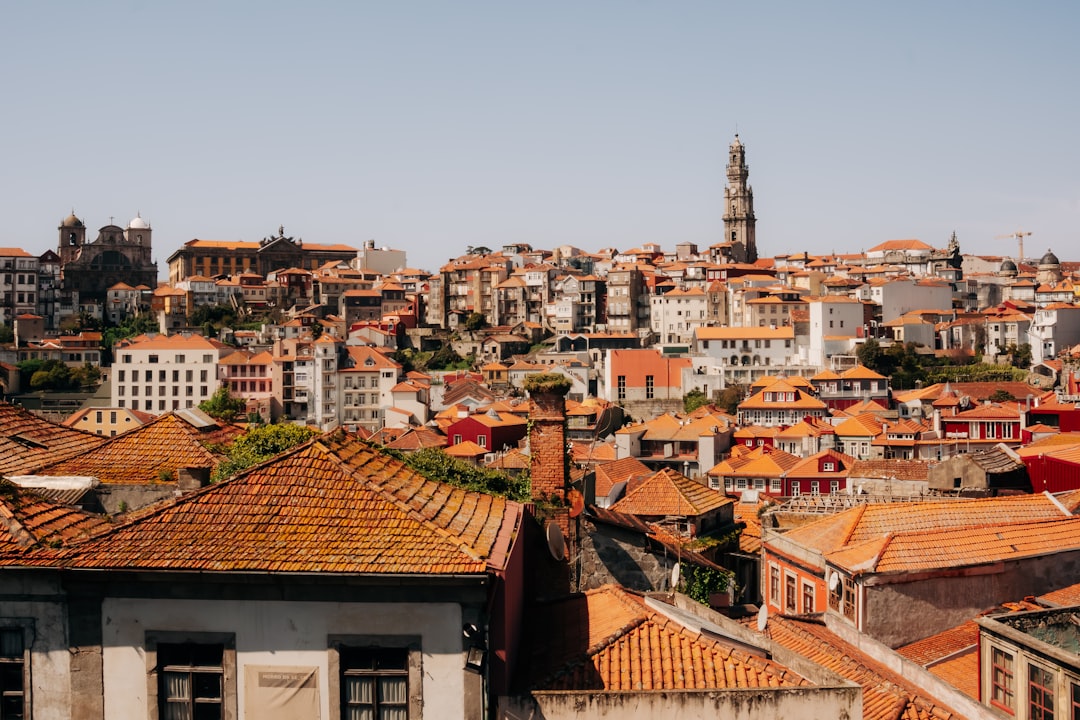
Here’s a secret that’s slowly spreading through the wine world: Portugal makes exceptional wine that almost nobody outside of Portugal knows about. Most people can name one Portuguese wine: Port. It’s the fortified wine from the Douro Valley, famous around the world, enjoyed as an aperitif or dessert wine in English drawing rooms for centuries. But Port is actually the tip of a very large iceberg.
Portugal produces an astonishing diversity of wines from distinct regions, each with its own character, indigenous grape varieties, and the kind of quiet excellence that wine geeks get excited about. The reason you don’t know about most of them is partly historical—Portugal spent centuries focused on Port and Madeira for export—and partly economic. Portuguese wines, even excellent ones, are typically a fraction of the price of comparable wines from France or Spain. This doesn’t mean they’re lesser; it means they’re undervalued. For travelers, this is wonderful news. It means you can drink world-class wine in Portugal for surprisingly little money, and discover flavors and producers that will still be relatively undiscovered when you return home.
Vinho Verde: Portugal’s Misunderstood Green Wine
“Vinho Verde” means “green wine,” and no, this doesn’t refer to the color. In Portuguese wine terminology, “verde” doesn’t mean the wine is green—it means it’s young. Vinho Verde is a wine intended to be drunk young, within a year or two of production, before it develops deeper, darker characteristics. The wine is typically light, slightly fizzy, refreshing, and deceptively complex.
Most of the Vinho Verde you’ve probably encountered is cheap, slightly sweet, and served chilled as a light, easy-drinking party wine. There’s nothing wrong with this version—it’s refreshing and fun. But real Vinho Verde enthusiasts and serious wine producers in the region will tell you that this popular version misses the point entirely.
Quality Vinho Verde should be dry or nearly dry, with a complexity that sneaks up on you. It should have acidity that feels vibrant rather than sharp, subtle fruit flavors, and that characteristic slight fizziness that’s called “petillance.” It should be food-friendly, pairing beautifully with seafood, light pasta dishes, and many Portuguese appetizers.
The best Vinho Verdes come from the Minho region in northwest Portugal, close to the Spanish border. If you see “Vinho Verde do Minho” on a label, that’s a designation that means the wine comes from the original region and often indicates higher quality.
When you visit Portugal, skip the obviously commercial Vinho Verdes aimed at tourists and instead ask local wine bars for their house Vinho Verde. These recommendations will typically be surprisingly good and inexpensive. Vinho Verde is meant to be an everyday wine, and the Portuguese treat it as such—it’s perfect for lunch at a café overlooking the coast, or paired with grilled sardines at a neighborhood restaurant.
Douro Reds: The Hidden Gem
If Port is Portugal’s famous wine, Douro reds are its best-kept secret. The Douro Valley, which produces Port, also produces still red wines (meaning non-fortified wines) that are genuinely world-class and completely underpriced.
These wines come from the same dramatic, terraced vineyards that produce Port, from the same Douro River valley where medieval grape terraces cling to impossibly steep hillsides. The primary grapes are varieties you’ve probably never heard of—Touriga Nacional, Touriga Franca, Tinta Roriz, Bairrada—but these varieties are capable of producing wines of remarkable depth and complexity.
The key thing to understand about Douro red wines is that they’re simultaneously fruit-forward and structured. They have enough tannins and acidity to age, but they’re also delicious to drink young. They have ripe, dark fruit character, spice, and often a sense of mineral richness that comes from the schist-based soil of the region. The best ones have a balance and elegance that rivals wines from Bordeaux or Burgundy, at a fraction of the price.
Douro reds range from simple, everyday wines that cost €8 to €15 to serious, age-worthy wines that cost €30 to €50 (and a few famous producers that cost more). But even at those prices, they’re extraordinary value. A Douro red that costs €20 would cost twice that in Bordeaux.
The easiest way to explore Douro reds is to visit wine bars in Porto or Covilhã (the closest city to the Douro Valley) and ask the staff for recommendations. Or, if you’re actually visiting the Douro Valley—and you should, it’s stunningly beautiful—visit the quintas (estates) directly. Many of them have tasting rooms and will sell you bottles at estate prices, which is the best deal you’ll find.
Alentejo Wines: The Warm-Weather Harvest
Alentejo is the large, sparsely populated region in southern Portugal known for its cork forests, wildflower meadows, and increasingly, for wine. The region is warmer and drier than other Portuguese wine regions, which means the grapes get riper and the wines are typically bigger, rounder, and more fruit-forward than wines from cooler regions.
Alentejo reds are typically made from varieties like Aragonez, Trincadeira, and Alicante Bouschet. They tend to be deep-colored, full-bodied wines with ripe fruit character, good alcohol content, and a certain sunniness that reflects the warmth of the region. They’re not as elegant as Douro reds, but they’re approachable, food-friendly, and delicious.
The whites from Alentejo are less well-known internationally but worth seeking out. They tend to have good acidity and aromatic character, making them refreshing and versatile with food.
Alentejo wine country is also beautifully undiscovered compared to other Portuguese regions. You can visit estates, stay in small wine hotels, and experience Portuguese wine culture without the tourist crowds you might encounter in the Douro Valley or near Lisbon. It’s an excellent place to spend time if you want to understand how wine is made and who makes it.
Dão: Tradition in a Bottle
The Dão region in central Portugal is one of the oldest demarcated wine regions in the world. It’s a traditional region, somewhat conservative in its approach to winemaking, and it produces wines that tend toward elegance and age-worthiness rather than immediate fruit-forward appeal.
Dão reds come primarily from a grape called Touriga Nacional, though they’re often blended with other varieties. These wines are typically medium-bodied, with good acidity and structured tannins. They’re wines for food, wines that reward patience, wines that are at their best paired with a meal rather than drunk alone.
The best Dão wines have a purity and a sense of terroir that feels distinctly Portuguese. There’s a mineral quality, an earthiness, a restraint that reflects both the cool climate of the region and the traditional approach of the winemakers.
Dão is less trendy than other Portuguese regions, which means excellent bottles can be found at surprisingly good prices. It’s also a beautiful region to visit if you’re interested in seeing more traditional, less tourist-developed Portuguese wine country.
Madeira: The Wine That Traveled the World
Madeira is a fortified wine from the island of Madeira, off the coast of Portugal. It has one of the most fascinating histories of any wine in the world.
Madeira was developed for a specific purpose: it needed to survive long sea voyages. In the age of sail, wines were expensive and fragile. They needed to last through months at sea in changing temperatures and conditions. Madeira was fortified with grape spirits and aged in hot conditions in a way that made it nearly indestructible. Wine makers discovered that this process didn’t ruin the wine—it improved it. Madeira developed complex caramel, nut, and dried fruit flavors that were unlike any other wine in the world.
For centuries, Madeira was one of the world’s most prestigious wines. It was preferred by American Presidents. It was loaded onto ships sailing around the world, and as it sailed, it aged, picked up even more complexity, and became more valuable. Old bottles of Madeira—wine that actually sailed around the world—are some of the most expensive wines ever made.
Today, Madeira is less fashionable, which means you can drink extraordinary wine for reasonable money. The wine comes in several styles, typically classified by sweetness (dry, medium, sweet) and age (as cheap as €8 for basic versions to €100+ for premium aged versions).
The best way to experience Madeira is as a dessert wine, served slightly chilled, or as an aperitif wine if it’s one of the drier styles. The complexity is remarkable—you taste caramel, nuts, dried fruits, spice, acid, and a texture that feels almost oily on your tongue in the best possible way.
If you visit Madeira (the island), you should definitely visit the wine lodges in the capital, Funchal, where you can taste various Madeiras and learn about their production. If you can’t visit the island, Portuguese wine bars in Lisbon will have good selections of Madeira available by the glass.
Port: The Wine You Thought You Knew
Now, about Port. Most travelers have encountered Port, even if they’re not wine enthusiasts. It’s the fortified wine from the Douro Valley, famous as an after-dinner drink, often served in small glasses in traditional English settings.
But Port is actually much more diverse and sophisticated than this cultural stereotype suggests. Port comes in many styles, and understanding them unlocks an entirely sophisticated world of flavors.
Ruby Port is the youngest, most basic style—fruity, sweet, approachable, and good for people who are just beginning to explore fortified wines. It’s aged in stainless steel or wooden vessels and retains a bright ruby color.
Tawny Port is aged longer in wooden barrels, which changes its color to a lighter brown (tawny) and develops more complex, nutty flavors. This is a more sophisticated style. The best Tawny ports have an “age designation”—10-year, 20-year, 30-year, or 40-year—that indicates the average age of the wine used in the blend. A 20-year Tawny Port is a serious, complex, age-worthy wine.
Vintage Port is a rare wine made in exceptional harvest years, declared by the producer, and aged only in bottle. It’s expensive, it requires decanting (separating the wine from the sediment that forms over decades), and it’s capable of aging for over a century. A great Vintage Port from a good year is one of the finest wines in the world.
Late Bottled Vintage (LBV) Port is a middle ground—it’s made from a single vintage year but aged longer in barrel and in bottle than Vintage Port, making it more approachable but still serious.
The easiest way to explore Port is to visit a wine bar or restaurant in Porto and order several half-pours of different styles. This allows you to taste the range and understand how the style changes based on age and production method. Most places will have several options available by the glass.
Reading Portuguese Wine Labels
Portuguese wine labels can be confusing if you don’t know what you’re looking for. Here are the key things to understand:
DOC (Denominação de Origem Controlada) is the highest classification, meaning the wine comes from a specific region and is made according to that region’s specific rules. This is generally a good sign of quality.
Reserva is a designation that indicates the wine has aged longer and typically has higher alcohol content than basic versions from the same producer. Reserva wines are usually of good quality.
Quinta means “estate,” so “Quinta do [name]” indicates a wine made by a single estate from its own vineyards.
Regional names you should recognize: Douro, Alentejo, Dão, Minho (for Vinho Verde), Bairrada, Moscatel de Setúbal.
Producer names to watch for: Quinta do Crasto, Quinta do Vale Meão, Quinta dos Murças (all Douro), Cortes de Cima (Alentejo), Quinta das Maias (Dão).
Wine Bars in Lisbon and Porto
Both cities have excellent wine bars where you can taste Portuguese wines, usually by the glass, paired with small plates of cheese, cured meats, and other delicacies.
In Lisbon, look for bars in the Príncipe Real neighborhood, which has become the epicenter of the city’s wine and food renaissance. Places like Wine Bar do Príncipe have extensive Portuguese wine selections and knowledgeable staff who can guide you toward wines you’ll like.
In Porto, Livraria Lello Café (in the famous bookstore) has a wine program, but more importantly, ask your hotel for wine bar recommendations. Porto’s locals know where to find the best Portuguese wines at reasonable prices.
Small tasca (traditional tavern) restaurants throughout both cities often have house wines that are excellent and inexpensive.
Ginjinha: The Cherry Liqueur You Have Standing Up
Before we leave Portuguese drinks, we have to mention ginjinha, a dark red cherry liqueur that’s roughly 30% alcohol and tastes like concentrated cherry with a hint of almond.
Ginjinha is traditionally consumed in tiny glasses as a quick shot, usually standing up in a doorway of a traditional café. It’s strong, sweet, slightly warming, and completely delicious. A ginjinha shot costs about €1-€2.
There are several brands, but Ginjinha de Óbidos (from a small medieval town north of Lisbon) is the most famous. The drink itself dates back centuries and has always been made by monks or people in the Óbidos region using secret recipes.
Drinking a ginjinha in a tiny glass, standing in a traditional Portuguese café, is one of those quintessentially Portuguese experiences you should definitely try. It’s not sophisticated, but it’s genuine, and it’s delicious.
Visiting the Douro Valley
If you want to truly immerse yourself in Portuguese wine culture, you should visit the Douro Valley. The drive from Porto to the Upper Douro takes about 90 minutes, and suddenly you’re surrounded by some of the most dramatically beautiful terraced vineyards in the world.
Many estates offer tastings, and most require reservations. Some have restaurants, some have hotels, some offer only tastings. Many quintas are historic properties with centuries of winemaking tradition. Visiting one is an education in Portuguese wine, Portuguese history, and Portuguese hospitality.
The Douro River itself is stunning, and many travelers do the journey by train (the scenic route from Porto to Peso da Régua) rather than driving, so they can see the landscape without the road.
Plan at least one full day for the Douro Valley if you can. Two is better. You’ll come back with a deeper understanding of Portuguese wine, relationships with specific producers, and bottles you want to age at home.
The Bottom Line
Portuguese wine is one of those genuine cultural treasures that remains somewhat undiscovered. The quality is extremely high, the prices are reasonable, and the diversity is remarkable. You could spend weeks in Portugal exploring nothing but wine and never run out of interesting things to taste.
For travelers, this means you should drink differently in Portugal than you would at home. Instead of ordering your usual wine, be adventurous. Ask your server what’s local, what they drink, what they recommend. Visit wine bars and taste multiple things by the glass. Buy bottles to bring home that cost a fraction of what they’d cost anywhere else. Pay attention to the regional character of wines—how a wine made in the cool, mountainous Dão region tastes different from a wine made in the warm, sun-baked Alentejo.
By the time you leave Portugal, you’ll have discovered at least one Portuguese wine that you’ll be tracking down and buying back home for years to come. And you’ll understand why Portuguese wine lovers are so passionate about their country’s wines. They have every right to be.




Leave a Reply