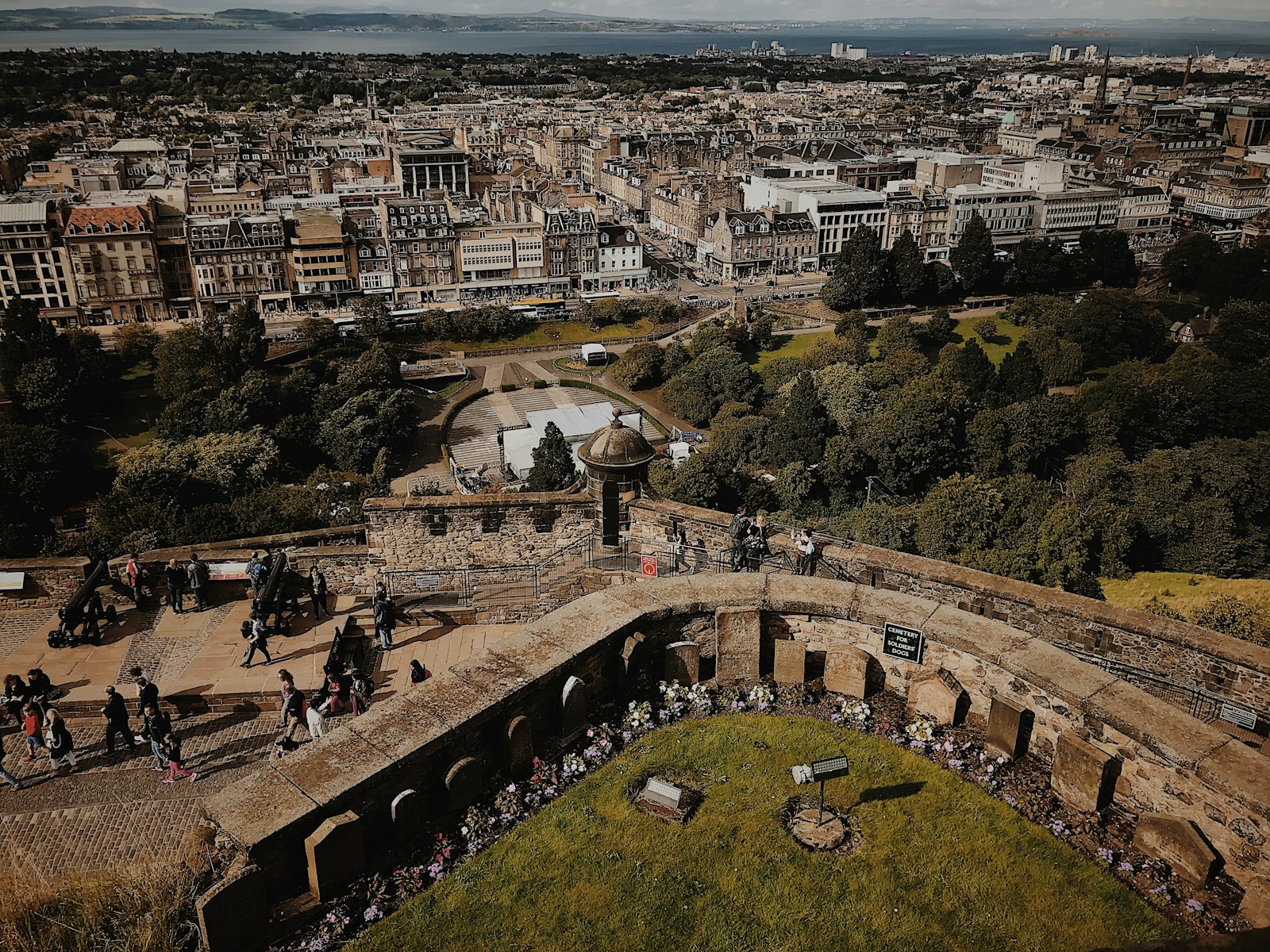
Scotland Is Not England (And Scots Will Tell You About It)
If there’s one thing you need to understand about Scotland, it’s this: Scottish people don’t consider themselves English, and they’ll correct you—politely but firmly—if you confuse the two. Scotland has been a country for over 1,000 years, with its own legal system, educational system, and deeply distinct culture. It was a separate kingdom until 1707, and many Scots still view themselves as Scottish first, British second (or not at all).
This isn’t mere regional pride like Texas or California. This is the pride of a nation that maintains its own parliament, produces its own culture, and has repeatedly grappled with independence. The 2014 Scottish Independence Referendum saw 55% vote to remain in the UK, but the question simmered in Scottish hearts ever since.
Understanding Scottish identity means understanding this tension: Scotland is part of the United Kingdom, but Scottish culture, history, and outlook are distinctly different from their English neighbors to the south.
The Highland vs. Lowland Divide
Scotland itself has sharp internal divisions. The Highlands—the mountainous northwest—were historically Gaelic-speaking, clan-based, and pastoral. The Lowlands—the central belt and southeast—were Anglo-Saxon influenced, industrial, and urban.
The Highland Clearances of the 18th and 19th centuries—when landowners forcibly removed tenant farmers to make way for sheep farming—remain a traumatic historical memory. Thousands of Highlanders were displaced and emigrated to North America, Australia, and elsewhere, scattering Scottish people across the globe and creating the diaspora that still identifies as Scottish today.
This divide also created distinct linguistic traditions. While Scottish Lowlanders largely adopted English (though with Scottish vocabulary and pronunciation), Highland Gaelic persisted, though nearly died out by the 20th century. Today, there’s been a revival of Scottish Gaelic, particularly in the Hebrides and through cultural initiatives, though it remains a minority language.
The Highland Games: Ancient Tradition Meets Spectacle
The Highland Games are Scotland’s signature cultural event—a day of athletic competition, traditional dress, piping, and dancing that draws thousands of spectators worldwide. These aren’t ancient games (that’s a common misconception) but rather 19th-century recreations of traditional strength competitions that Scottish clans would have held.
At the Games, you’ll see:
The Caber Toss. Competitors throw a 19-foot, 150-pound wooden pole end over end. It looks ridiculous and is absolutely Scottish in its commitment to pointless strength testing.
Stone Throwing. Various distances and weights, based on actual work tasks from farming and construction.
Hammer Throws. Similar to Olympic hammer throws but with Scottish equipment variations.
The Sheaf Toss. Throwing a 16-pound bag of straw over a 16-foot bar using a pitchfork.
Highland Dancing. Precisely choreographed solo dances performed in full Highland dress, incredibly athletic and graceful.
Piping and Drumming. Pipe bands competing, with judges assessing not just music but precision and synchronization.
The largest Games in the world is the Braemar Gathering, which the Royal Family has attended for over 150 years. If you can attend a Highland Games, do—it’s quintessentially Scottish and genuinely entertaining.
Burns Night: Celebrating a Poet Like He’s a Saint
On January 25th, Scotland celebrates Robert Burns Night, honoring the birthday of Scotland’s national poet. Burns (1759-1796) wrote in Scots dialect and captured the Scottish soul in poetry that ranges from playful to deeply moving.
A proper Burns Night involves:
Haggis Address. A ceremonial recitation of Burns’ “Address to a Haggis” while a haggis (a savory pudding of minced meat and organs in a sheep’s stomach) is brought in on a platter. Burns addresses the haggis with mock reverence before it’s sliced open.
Whisky Toasts. Raising glasses of whisky to Burns and his work.
Traditional Food. Haggis with neeps (turnips) and tatties (potatoes), plus traditional Scottish drinks.
Poetry and Song. Recitations of Burns’ poetry and singing of his songs, particularly “Auld Lang Syne” at the end.
For Americans, the haggis is invariably the talking point. Here’s the secret: it’s actually delicious. It tastes like flavorful sausage with spices and has a texture somewhere between pâté and sausage. Once you get past the origin story (“sheep’s organ pudding”), most people enjoy it.
Hogmanay: New Year’s Eve on Steroids
While Americans do New Year’s Eve, Scots do Hogmanay. The Scottish New Year celebration is more significant than Christmas in the traditional Scottish calendar and remains a much bigger deal than in England.
Hogmanay traditions include:
First-Footing. The first person to cross your threshold after midnight should be a dark-haired man (tradition is variable), bringing gifts of coal, bread, or whisky to bring prosperity. This is taken quite seriously in some households.
Torchlight Processions. Edinburgh’s Hogmanay features a massive procession of people carrying flaming torches through the Old Town—utterly spectacular and uniquely Scottish.
Street Parties. Massive public celebrations, particularly in Edinburgh and Glasgow, where tens of thousands gather.
Three Days of Celebration. Unlike America’s single night, Hogmanay in Scotland traditionally lasts three days. Bells ring at midnight, but the celebration continues through January 2nd.
Auld Lang Syne. Burns’ most famous song, sung at midnight, with people linking arms and singing about old friendships.
Scottish Whisky: More Than a Drink
Scottish whisky (spelled without an “e,” unlike Irish whiskey) is perhaps Scotland’s most famous export. Whisky production is more than commercial—it’s a cultural pillar and tourist attraction.
The main whisky regions each have distinct characteristics:
Speyside. The largest concentration, known for fruity and floral whiskies. Brands like Macallan and Glenmorangie.
Islay. Known for heavily peated, smoky whiskies. Lagavulin and Laphroaig are famously intense.
Highland. Diverse styles, ranging from light to heavy. Glenmorangie and Clynelish are popular.
Lowland. Lighter, often grassy whiskies. Glenkinchie is a classic.
Campbeltown. A small region with distinctive character. Springbank is the main producer.
Islands. Talisker from Skye is probably the most famous island whisky.
Americans often assume all Scotch is smoky. It’s not—the peat is an optional flavor, not a requirement. Single malts (whisky from a single distillery) have developed sophisticated followings, with whisky enthusiasts as devoted as wine collectors. Whisky distillery tours are major tourist draws, particularly in Speyside.
Tartans and Clan Culture
Kilts and tartans are quintessentially Scottish, though their history is more complicated than most people realize. Tartan—the crosshatch pattern in various colors—was originally associated with regions, then later with specific clans. The Victorian Romantic movement idealized Highland culture and solidified the kilt as Scottish national dress.
Every Scottish clan has a tartan pattern, and many families track their Scottish heritage through clan connections. “Clan” culture remains significant—clan gatherings happen annually, and genealogy tourism is booming as diaspora Scots visit Scotland to explore their heritage.
When Scots wear kilts (at formal events, weddings, or ceremonies), it’s a statement of cultural pride. The kilt revival of recent decades has made kilts increasingly popular among younger Scots even in casual contexts.
Ceilidh Dancing: Participation Required
A ceilidh (pronounced “KAY-lee”) is a traditional social gathering featuring Scottish country dancing, live music, and often drinking. Unlike modern club dancing, ceilidh dancing is participatory and often involves formations with partners and large groups.
Common ceilidh dances include:
Strip the Willow. Two long lines facing each other, rotating through partners.
Gay Gordons. Partners dancing in circles around the floor.
Virginia Reel. Lines of couples dancing various figures.
A ceilidh is considered incomplete without the “Hokey Cokey” (similar to the American “Hokey Pokey”) and often concludes with an unhinged rendition of “Auld Lang Syne.”
You don’t need to know how to dance—a caller explains each dance, and part of the fun is the enthusiastic chaos of people trying to follow directions while increasingly drunk. It’s genuinely joyful and quintessentially Scottish.
Edinburgh vs. Glasgow: A Rivalry Worth Understanding
Scotland’s two largest cities represent different character types. Edinburgh is elegant, hilly, and historically more prosperous—home to Parliament, prestigious institutions, and deep historical heritage. It’s Scotland’s formal face.
Glasgow is grittier, friendlier, and more working-class in identity. It was the heart of Scotland’s industrial wealth (shipbuilding, tobacco, banking) and has reinvented itself as an arts and culture hub. Glaswegians are famously more direct and outgoing than Edinburghers, with a reputation for humor and warmth.
The Glasgow-Edinburgh rivalry is real but mostly good-natured. A common Edinburgh-side joke: “Glasgow is where they make things; Edinburgh is where they talk about things.” A Glasgow-side counter: “Edinburgh is where they charge you £15 for a drink and look down their noses at you.”
The Modern Scottish Identity
Modern Scotland balances tradition with contemporary innovation. The Scottish National Party has made Scottish independence a central political issue. Scottish culture is simultaneously deeply traditional—deeply committed to preserving Highland culture, Gaelic, Burns, whisky, kilts, and historical memory—and thoroughly modern, with vibrant music scenes, innovative food culture, and cutting-edge arts.
This duality is fundamentally Scottish. Understanding that Scots can wear kilts to weddings and work in tech companies, speak English with a Scottish accent and attend universities worldwide, celebrate Burns Night and frequent modern restaurants—this is the lived reality of modern Scotland.
For American visitors, the message is clear: respect Scotland as a distinct culture, listen when Scots explain why they’re not English, try the whisky and haggis, attend a ceilidh if invited, and you’ll find Scots warm, funny, and genuinely welcoming to those who show respect for their heritage.




Leave a Reply