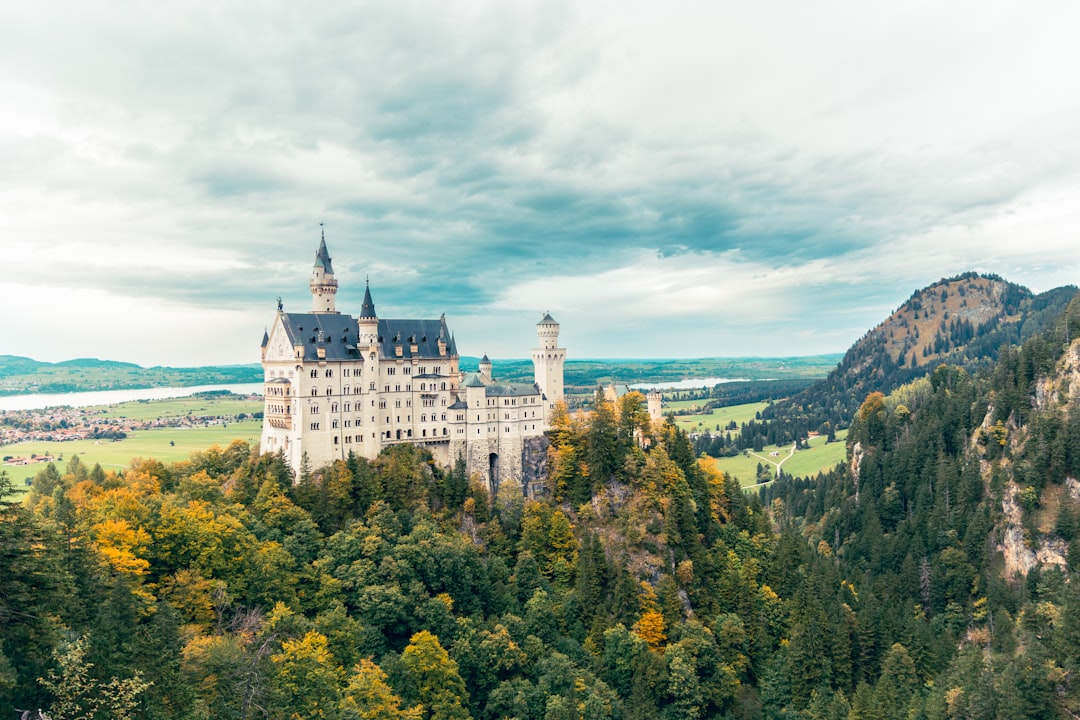
Ask any seasoned European traveler when they prefer to visit, and the answer is almost never July or August. The veteran choice is shoulder season: May and September, with early June and October as close runners-up. These months offer a combination of pleasant weather, manageable crowds, lower prices, and a more authentic atmosphere that peak summer simply cannot match. Here is why shifting your dates by just a few weeks transforms the entire travel experience.
Weather by Region
Mediterranean (Spain, Italy, Greece, Croatia): May temperatures typically range from 20-26 degrees Celsius with minimal rain and long daylight hours. September is even warmer, often 24-30 degrees, and the sea has been warming all summer, making it perfect for swimming. Contrast this with August when temperatures regularly exceed 38 degrees in southern Spain and Greece, making midday sightseeing genuinely unpleasant.
Central Europe (France, Germany, Austria, Czech Republic): May brings mild temperatures around 15-22 degrees Celsius, blooming gardens, and increasingly long days. September offers similar warmth with golden autumn light. Both months see less rainfall than summer in most regions. The famous beer gardens and outdoor cafes are open but not overwhelmed.
Northern Europe (Scandinavia, Scotland, Iceland): May is particularly special in the north. Daylight extends past 10 PM in Scandinavia, spring flowers are in full bloom, and tourist infrastructure is open but uncrowded. September brings earlier sunsets but stunning fall foliage and the beginning of Northern Lights season. Prices drop significantly from the brief Nordic summer peak.
The Crowd Factor
The difference in crowd levels between peak and shoulder season is dramatic. Major attractions that have two-hour queues in August often have 20-minute waits in May or September. The Uffizi in Florence, the Colosseum in Rome, the Alhambra in Granada, Sagrada Familia in Barcelona, and the Louvre in Paris all become substantially more enjoyable when you are not fighting through shoulder-to-shoulder crowds. Streets in Venice, Dubrovnik, and Santorini go from overwhelmingly packed to pleasantly busy. Restaurants have available tables without reservations. Metro trains have empty seats.
The main reason is simple: European schools are in session. Most European families take their holidays in July and August when children are on break. Shift to May or September and you remove most domestic European tourists from the equation, leaving primarily independent international travelers.
Price Drops: 30-50% Savings
Accommodation prices follow demand closely. A hotel room that costs €200 per night in August might be €120-140 in May or September. Flights from North America to Europe are typically 20-30% cheaper outside peak summer. Car rentals drop significantly. Even activity and tour prices can be lower, with some operators offering shoulder-season discounts. Over a two-week trip, shoulder season savings can easily total $1,000-2,000 compared to the same itinerary in peak summer.
What Is Still Open?
A common concern about shoulder season is whether attractions and services will be operating. In major cities, everything operates year-round so this is only a consideration for smaller towns, beach destinations, and seasonal attractions. In May, virtually everything is open across Europe since tourist season is underway by then. September is similarly full-service. October is when some seasonal operations begin to close, particularly on Greek islands, Croatian coast towns, and small beach communities.
Ferry services, island-hopping routes, and some rural bus connections may run on reduced schedules in late September and October. Check specific routes before planning, especially in Greece and Croatia. But for mainstream cities and well-traveled routes, shoulder season means full service with fewer people competing for it.
September Swimming
One of September’s greatest advantages in the Mediterranean is that the sea is at its warmest after months of summer sun. Water temperatures along the Spanish, Italian, Greek, and Croatian coasts reach 24-27 degrees Celsius in September compared to 18-20 degrees in May. If beach time is part of your plans, September delivers warm water, warm air, and beaches that are not packed with sun loungers. This is arguably the best beach month in southern Europe.
May in Northern Europe
May is particularly magical in Scandinavia, Scotland, and the Baltics. The landscape erupts from winter dormancy with wildflowers, bright green hillsides, and dramatic skies. Norway’s fjords are stunning in spring light. Scotland’s Highlands are at their greenest before midges arrive in June. The Baltic capitals of Tallinn, Riga, and Vilnius are lively with spring festivals and outdoor dining just getting started. Prices are substantially lower than the brief summer peak, and the nearly endless daylight gives you far more sightseeing hours per day.
Shoulder season is not a compromise. For most travelers, it is genuinely the best time to visit Europe. Better weather for walking, fewer crowds at every turn, lower prices across the board, and a more relaxed atmosphere everywhere you go. If you have any flexibility in your schedule, aim for May or September. Your experience and your budget will both benefit enormously.



Leave a Reply