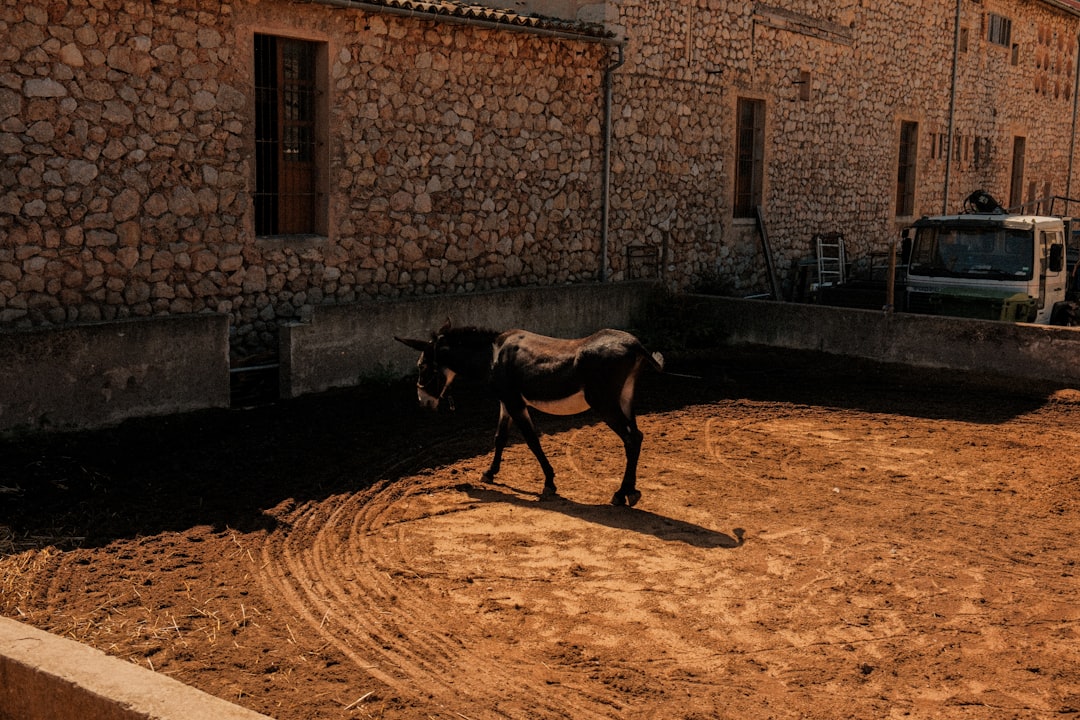
In the 1960s, one of cinema’s most remarkable transformations occurred in a remote corner of southeastern Spain. The Tabernas Desert near the town of Almería, an arid region of badlands, scrubland, and limestone formations that bore visual resemblance to the American Southwest, became the preferred filming location for an entire genre: the Spaghetti Western. European filmmakers, working with Italian production companies and modest budgets, discovered that Spain offered everything needed to create compelling Western narratives—dramatic desert landscapes, cheap labor, favorable financing, and an aesthetic that could convincingly double for the American frontier.
The phenomenon that resulted transformed Almería from a poor, isolated agricultural region into a center of international film production. Legendary filmmakers including Sergio Leone, who directed some of cinema’s most acclaimed Westerns, shot their masterpieces in these Spanish deserts. The actors—American, European, and international stars—traveled to Spain to film in conditions that were often harsh but always picturesque. The enduring popularity of films like “The Good, the Bad and the Ugly,” “Once Upon a Time in the West,” and “A Fistful of Dollars” cements Almería’s place in cinema history as the unlikely center of a global film movement.
The Tabernas Desert: Spain’s American Frontier
The Tabernas Desert, located near Almería in Andalusia, is Spain’s only true desert—characterized by minimal rainfall, sparse vegetation, and dramatic geological formations that create otherworldly landscapes. The region receives fewer than 300 millimeters of annual rainfall, creating an arid environment superficially resembling the American Southwest. For filmmakers seeking affordable Western locations, Tabernas offered an irresistible combination: authentic desert terrain, dramatic visual composition, and locations available at minimal cost.
The desert’s distinctive topography includes deep ravines carved by occasional water flows, sparse coverage of hardy scrubland, weathered rock formations, and vast horizons unmarred by visible human infrastructure. This combination proved perfect for filmmaking. The landscape required minimal set dressing—it already looked like a frontier location. The harsh light, intense shadows, and dramatic color contrasts provided natural cinematography favoring the stylized aesthetic of Spaghetti Westerns.
Beginning in the early 1960s, Italian production companies and European filmmakers discovered Tabernas. The combination of cheap location fees, inexpensive local labor, favorable tax incentives, and the desert’s authentic appearance created economic conditions making Tabernas irresistible. Within a decade, dozens of films had shot there. An entire economy developed around filmmaking, with local residents finding employment as extras, construction workers, and support staff.
Sergio Leone’s Masterpieces: Transforming the Genre
The most significant creative force in Spaghetti Westerns was Italian director Sergio Leone, whose stylistic innovations fundamentally changed how Western narratives were filmed and told. Leone’s films, beginning with “A Fistful of Dollars” (1964) and culminating in “Once Upon a Time in the West” (1968), used Almería’s desert locations to create visually stunning, thematically complex explorations of frontier mythology, violence, and morality.
Leone’s approach differed radically from American Western conventions. Rather than portraying the American frontier as a realm of heroic virtue where good triumphed over evil, Leone depicted a morally ambiguous landscape where survival mattered more than morality, where violence was brutal and consequential, and where traditional Western heroes and villains could not be neatly distinguished. This revisionist approach, combined with Leone’s distinctive visual style—extreme close-ups of faces, exaggerated sound design, operatic violence—created a new cinematic language.
“The Good, the Bad and the Ugly” (1966), filmed extensively in Tabernas, represents perhaps the most iconic Spaghetti Western. The film follows three gunslingers pursuing buried treasure, navigating moral compromise and violence in a landscape devoid of law or institutional order. The film’s famous theme song, composed by Ennio Morricone, became synonymous with the Western genre internationally. The film’s visual composition—the director’s distinctive use of Tabernas’ desert vistas, dramatic lighting, and extreme close-ups—created a cinematic aesthetic that influenced countless subsequent films.
Leone shot “Once Upon a Time in the West” (1968), often considered the Spaghetti Western’s artistic apex, partly in Almería, with extended sequences filmed in the desert and surrounding regions. The film’s operatic approach to violence, its meditation on the relationship between frontier civilization and environmental transformation, and its extraordinary cinematography represent the Spaghetti Western at its artistic peak.
Mini Hollywood and Fort Bravo: Permanent Western Sets
As filmmaking accelerated in Almería, permanent structures were built to serve as standing Western sets, avoiding the need to construct sets anew for each production. The most famous of these is Mini Hollywood (also called Oasys Mini Hollywood), a permanent Western town built as a filmmaking location and later converted into a tourist attraction. Fort Bravo, another permanent set facility, served similar purposes.
Mini Hollywood, constructed in the 1960s as a working film production facility, eventually transformed into a theme park-style attraction. The site features reconstructed Western buildings—saloon, sheriff’s office, church, general store—arranged in a conventional Western town layout. Visitors can explore the buildings, watch stunt demonstrations, and photograph themselves in Western attire against authentic-looking sets. While Mini Hollywood began as a practical filming location, its evolution into a tourist destination reflects Almería’s transformation from poor agricultural region into tourism-based economy.
Fort Bravo, similarly, began as a filming location and now functions as a tourist attraction. The site offers guided tours and stunt demonstrations, allowing visitors to experience something approximating the atmosphere of Western film production.
Visiting Information: Mini Hollywood (Oasys Mini Hollywood) is located in Tabernas, approximately 30 kilometers north of Almería. Admission is approximately €25-30 for adults, with discounts for children. Hours are typically 10 AM-6 PM daily (extended during summer). The site is accessible by car from Almería (45 minutes) or via organized tours from Almería’s tourist center. The facility includes multiple buildings, stunt demonstrations (scheduled throughout the day), and a museum documenting the Spaghetti Western era. Plan 2-3 hours for a thorough visit. Fort Bravo is similarly located in Tabernas and offers comparable experiences and admission prices. Both facilities provide tangible connections to Spaghetti Western production history, though they’re somewhat theme-park-like rather than offering authentic filmmaking experiences.
“A Fistful of Dollars” and Genre Innovation
“A Fistful of Dollars” (1964), Sergio Leone’s directorial debut in the Western genre, used Almería locations extensively and established the Spaghetti Western’s fundamental aesthetic and narrative approach. The film followed an unnamed drifter (Clint Eastwood) arriving in a frontier town controlled by rival families, playing them against each other for financial gain. Rather than portraying the protagonist as a conventional hero, Leone presented him as a morally questionable opportunist willing to exploit community divisions for profit.
This revisionist approach—stripping away the American Western’s moral certainties and replacing them with amoral pragmatism—proved revolutionary. The film was shot on modest budgets with European crews, yet it achieved international commercial and critical success. Its success demonstrated that Western narratives could be subversive, that they could challenge rather than celebrate frontier mythology, and that European filmmakers could compete with American studios in the genre.
The film’s cinematography, emphasizing Almería’s harsh desert aesthetics and dramatic landscapes, became the visual language of Spaghetti Westerns. Close-ups of weathered faces, landscape shots emphasizing human isolation, and color cinematography highlighting the desert’s golden tones created distinctive visual style instantly recognizable as Spaghetti Western.
“Once Upon a Time in the West”: The Masterpiece
“Once Upon a Time in the West” (1968) represents the Spaghetti Western’s artistic culmination. The film’s narrative, exploring the relationship between frontier settlement, railroad expansion, and environmental transformation, operates on multiple registers simultaneously—as adventure narrative, as revisionist frontier critique, as philosophical meditation on violence and progress. The film’s extended opening sequence, establishing characters and dramatic tension before plot events accelerate, exemplifies Leone’s distinctive stylistic approach.
The film’s cinematography, capturing Almería’s desert landscapes in combination with other Spanish locations, created visual beauty of extraordinary power. The desert’s golden light, dramatic shadows, and spare topography become not merely background but essential narrative element. The landscape communicates isolation, vulnerability, and the contingency of human civilization in environments indifferent to human concerns.
“For a Few Dollars More” and Franchise Building
“For a Few Dollars More” (1965), the middle film in Leone’s “Dollars” trilogy, continued developing the director’s distinctive visual and narrative approach while proving the commercial viability of Spaghetti Westerns. The film, again starring Clint Eastwood and again filmed in Almería, expanded Leone’s ambitions and demonstrated that audiences would embrace revisionist Western narratives if executed with sufficient stylistic sophistication.
Indiana Jones and the Last Crusade: Spaghetti Westerns’ Legacy
The Spaghetti Western’s influence extended far beyond the 1960s, affecting adventure cinema, action filmmaking, and popular cinema’s fundamental approach to visual storytelling. Steven Spielberg’s “Indiana Jones and the Last Crusade” (1989), filmed partly in Almería, represents later cinema’s debt to Spaghetti Westerns. Spielberg acknowledged Leone’s influence, and his approach to action sequences, landscape cinematography, and the relationship between heroic protagonists and vast environmental settings reflects Spaghetti Western aesthetics adapted to different narrative contexts.
The film’s production used Almería locations to evoke both desert environments and European medieval settings, demonstrating that the region’s visual diversity could serve multiple cinematic purposes. The film’s success with contemporary audiences proved that Almería could remain cinematically relevant decades after the Spaghetti Western’s commercial peak.
The Contemporary Western Tourism Economy
Today, Almería’s relationship with Spaghetti Western cinema remains economically and culturally significant. The region markets itself as the “Spaghetti Western capital,” and permanent film sets function as primary tourist attractions. For cinema enthusiasts and Western fans, Almería offers unique opportunities to experience the actual locations where cinematic history was made.
The region’s transformation from poor agricultural economy to tourism destination illustrates how cinema can reshape regional development. Almería attracted international attention, investment, and tourism through its connection to celebrated films. The economic impact has been substantial, though the transition hasn’t been without challenges. Some locals reflect nostalgically on Spaghetti Western production’s golden era, when production activity was constant and the region experienced genuine film industry integration.
Regional Information: Almería is located in southeastern Spain, accessible via flights to Almería Airport (connection hub for international travel) or via train/bus from other Spanish cities. The region’s primary attractions cluster around Spaghetti Western themes: Mini Hollywood, Fort Bravo, and natural desert landscapes. Beyond film connections, the region offers genuine Andalusian culture, Mediterranean beaches nearby, and the beautiful Alpujarra mountain region accessible via day trip. Almería city itself contains historic sites including the Alcázar fortress and Cathedral. The region is less developed for tourism than coastal Spain but offers authentic regional atmosphere and genuine cinematic history.
Visiting Almería: Planning Your Spaghetti Western Pilgrimage
Those interested in Spaghetti Western cinema and Almería’s role in film history should plan 3-5 days in the region to adequately explore locations. Days could include visits to Mini Hollywood and Fort Bravo, drives through Tabernas Desert exploring filming locations documented in various sources, visits to Almería’s historic sites, and time in smaller towns reflecting regional character.
The Tabernas Desert itself, while less developed for tourism than theme-park-style facilities, offers authentic desert experience and opportunities to see landscapes directly as they appear in famous films. Hiking, photography, and simple observation of the landscape provides understanding of why filmmakers found the region cinematically compelling.
The broader lesson of Almería’s Spaghetti Western history is how cinema can transform regions through concentrated production activity and cultural association. Almería demonstrates cinema’s power to create international cultural significance, attract global attention, and establish lasting tourism economies. The region’s particular appeal lies in its genuine historical connection to celebrated films and the possibility of experiencing actual filming locations and period structures that document an important cinema movement.
For Western enthusiasts, film historians, and those interested in cinema’s global geography, Almería represents essential pilgrimage site. The region offers tangible connection to films that fundamentally influenced cinematic language and narrative approach. The experience of standing in actual desert locations where “The Good, the Bad and the Ugly” or “Once Upon a Time in the West” was filmed provides profound cinematic experience that no amount of film study can fully replace.




Leave a Reply