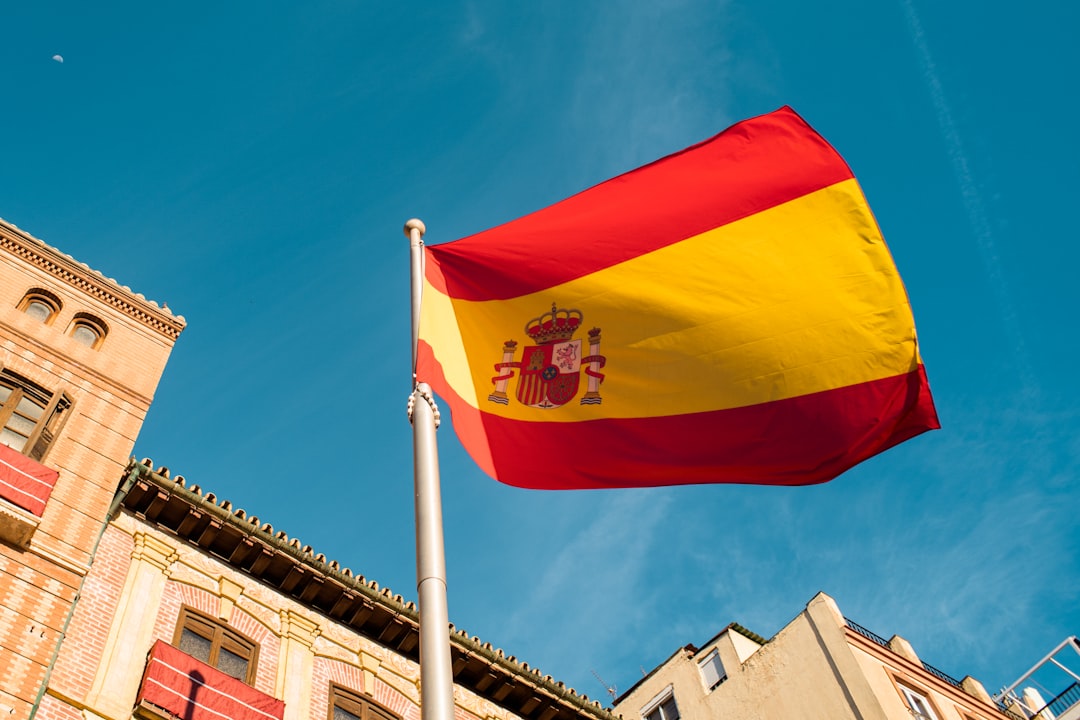
When travelers talk about “Spanish culture,” they’re usually thinking of a monolithic thing: flamenco, paella, bullfighting, siesta rhythms. But if you say something is “Spanish” to a Catalan, a Basque, or a Galician person, they might gently correct you: “That’s not Spanish, that’s Castilian,” or “We have our own culture, thank you very much.”
Spain isn’t one nation with one culture. It’s a collection of nations, regions, and identities, some of which tolerate the Spanish umbrella umbrella and some of which actively reject it. Understanding regional identity is essential to understanding Spanish culture, and it explains a lot about modern Spanish politics, football rivalries, and why some regions feel like entirely different countries.
The Autonomous Communities System
Spain is officially organized into 19 autonomous communities, each with varying degrees of political autonomy, cultural distinction, and sense of separate identity. Some are basically Spanish regions with minor local characteristics. Others have their own languages, entirely separate cultural traditions, and some degree of desire for independence.
The major regional identities you’ll encounter as a traveler are Castile (central Spain), Catalonia (northeast), the Basque Country (north), Galicia (northwest), and Andalusia (south). Each has distinct language, food, traditions, and identity.
Castile: The Heart of Spain
Castile occupies central Spain and was historically the kingdom that unified the Iberian Peninsula. Madrid is the capital, and Castilian Spanish (Castellano) is the official language of the entire country.
Castilian culture is what most people think of as “Spanish”: the formal Spanish language, classical Spanish literature and art, the centralist Spanish government. Castilian identity is often seen by other regions as representing “Spain proper,” which is why people from other regions sometimes resent it.
Within Castile, there are subregions with their own characteristics. Valladolid is known for harsh, cold winters. The plains of La Mancha are Don Quixote territory. Segovia and Ávila are medieval cities that feel frozen in time.
For travelers, Castile is where you’ll find Madrid, the capital, and some of Spain’s most important medieval and Renaissance cities. Castilian culture is the most standardized and, arguably, the least distinctive of Spain’s major regions—which might be why people from other regions feel it dominates national culture.
Catalonia: The Wealthy, Ambitious Region
Catalonia occupies the northeastern corner of Spain, with Barcelona as its capital. Catalans have a distinct language (Catalan), a separate cultural tradition, a history of political conflict with Spain, and a sense of national identity that’s arguably stronger than their Spanish identity.
The Catalan Language:
Catalan is an official language in Catalonia, Valencia, and the Balearic Islands. It’s neither Spanish nor a dialect of Spanish—it’s a distinct Romance language, more closely related to Occitan (spoken in southern France) than to Spanish.
For travelers, this means that in Catalonia, you’ll see signs in Catalan, hear Catalan spoken, and sometimes encounter people who prefer Catalan to Spanish. English works fine, but learning that Catalan is distinct (and not just Spanish with a weird accent) is important for understanding the region.
The Political Situation:
Catalonia has a strong independence movement. A significant portion of Catalans believe Catalonia should be a separate nation. This reached a crisis point in 2017 when Catalonia held an illegal independence referendum, which led to political confrontation with the Spanish government.
As a traveler, you don’t need to take a political stance on Catalan independence. But you should understand that this is a real, ongoing political issue with genuine emotion on both sides. Be respectful if you encounter pro-independence or anti-independence sentiment.
The Culture:
Catalan culture is vibrant and distinct. Barcelona is one of Europe’s great cities, blending medieval Gothic Quarter with Modernist architecture (Gaudí and others), cutting-edge contemporary art, and a Mediterranean energy.
Catalonia has its own folk traditions, its own food specialties (escalivada, calcots, pan con tomate, crema), and its own music and dance traditions. La Sardana is a traditional Catalan circle dance that’s performed at festivals.
What to Expect:
If you visit Barcelona or other Catalan cities, you’ll experience a more cosmopolitan, faster-paced culture than central Spain. The work-life balance philosophy is different. Things run more like Northern Europe. The food is excellent, and distinct from central Spanish food.
The Basque Country: The Defiant Nation
The Basque Country (Euskadi in Basque, País Vasco in Spanish) occupies the northern coast of Spain, with cities like Bilbao and San Sebastián. The Basque people have one of Europe’s most distinct cultures, a language that’s completely unrelated to any other European language, and a sense of identity that’s possibly even stronger than Catalan identity.
The Basque Language (Euskara):
Euskara is unique. It’s not related to Spanish, French, or any other major European language. Linguists debate its origins, but it’s clearly ancient and distinct.
For travelers, this means that in the Basque Country, you’ll encounter a language that’s completely unfamiliar. Signs are bilingual (Basque/Spanish), but Basque dominates. Don’t worry—English works fine, and Basques are generally welcoming to visitors.
The History of Resistance:
The Basque region has a long history of resisting Spanish centralization. During the Franco dictatorship, Basque language and culture were suppressed, as with Catalonia. But the Basque response included the formation of ETA (Euskadi Ta Askatasuna—Basque Homeland and Freedom), an armed independence group that engaged in terrorism from the 1960s until 2018.
ETA was responsible for hundreds of deaths, and its actions created genuine trauma in Spanish society. This isn’t ancient history—people in the Basque Country and Spain have living memories of ETA violence.
The political context is important: some Basques supported ETA’s goals (independence) even if they didn’t support its methods. Others rejected ETA entirely. Today, the political scene is complex, with various parties representing different levels of independence enthusiasm.
As a traveler, you don’t need to understand all of this, but you should understand that Basque identity is serious and intense. It’s not tourism or quaintness—it’s people’s actual sense of self.
The Culture:
The Basque Country has its own distinct food culture, with pintxos (as discussed earlier) and sophisticated culinary traditions. San Sebastián is considered one of Europe’s great food cities.
The Basque Country also has its own sports and traditions. Pelota (a racquet sport) is distinctly Basque. The locals have their own music, dance, and folkloric traditions.
What to Expect:
The Basque Country feels different from the rest of Spain. It’s European in a Northern European way. It’s sophisticated, organized, and culturally proud. Cities are clean, efficient, and modern. The people are generally reserved but welcoming.
If you visit Bilbao, you’ll see the Guggenheim Museum, a contemporary art masterpiece that symbolizes the region’s modernization. If you visit San Sebastián, you’ll find one of the most beautiful coastal cities in Spain and some of the best food you’ll eat anywhere.
Galicia: The Atlantic Culture
Galicia occupies the northwest corner of Spain, facing the Atlantic Ocean. It has its own language (Galician), its own culture, and a distinct identity, though Galician independence sentiment is less intense than in Catalonia or the Basque Country.
The Galician Language:
Galician is similar to Portuguese (they share common medieval roots) and distinct from Spanish. Like Catalan and Euskara, Galician was suppressed during Franco’s dictatorship and has been revived since.
The Geography:
Galicia is green, rainy, and Atlantic-facing. This gives it a different character from Mediterranean Spain. The landscape is more like Atlantic Europe (like Ireland or Scotland) than Mediterranean Europe.
The Culture:
Galician culture emphasizes seafood, agriculture, and Atlantic traditions. The food includes octopus, shellfish, and hearty stews. Galicia has its own bagpipes (gaita), which are distinctly Celtic.
The region has produced great Spanish literature (Rosalía de Castro) and has a romantic, literary quality. It’s less touristy than Catalonia or the Basque Country, so a visit feels more authentic.
What to Expect:
Galicia feels like stepping into Celtic Europe. The landscape is green and rainy. The people are warm but a bit more reserved than Andalusians. The food is excellent. Cities like Santiago de Compostela (the endpoint of the famous Camino de Santiago pilgrimage) are beautiful and culturally significant.
Andalusia: The South’s Own Identity
Andalusia occupies southern Spain and is Spain’s most populous region. It’s what many tourists think of as “authentic Spain”—flamenco, siestas, bullfighting, passionate culture.
Andalusia doesn’t have a separate language (Spanish is spoken, though with a distinct regional accent), and Andalusian independence sentiment is minimal. But Andalusians have a distinct cultural identity nonetheless.
The Culture:
Andalusian culture is festive, warm, and emotionally expressive. Flamenco originates here. Bullfighting tradition is strong here. The food is distinctive—gazpacho, espetos (grilled fish), rabo de toro.
The history is distinct—Andalusia was the last place conquered from the Moors, leading to unique architectural and cultural blends. Granada, Córdoba, and Seville contain some of Spain’s most significant historical sites.
What to Expect:
Andalusia feels hot, passionate, and historically rich. The pace of life is slower than the north. People are warm and sociable. The food is good and affordable. The cultural traditions are strong and visible.
The Lesser-Known Regions
Beyond these five major regions, Spain contains many other communities with distinct identities:
Aragon (northeast) has its own culture and language (Aragonese, spoken by a small minority). It’s less internationally recognized than Catalonia but has a distinct character.
Asturias (north) has its own language (Asturian) and culture, emphasizing mining history and Atlantic traditions.
Murcia (southeast) has its own character but less distinct regional identity.
Valencia has Valencian, a language closely related to Catalan, which has led to some disputes about whether Valencian is a separate language or a Catalan dialect.
The Balearic Islands (Mediterranean) have their own character—more tourism-focused, island culture distinct from mainland Spain.
Why These Differences Matter
As a traveler, understanding regional identity helps you appreciate Spanish diversity. But it’s also important politically and socially.
Spain has spent centuries attempting to create national unity around Spanish identity. This has worked partially—people identify as Spanish. But people also maintain strong regional identities, and in some cases, regional identity supersedes national identity.
This creates political tension. Catalonia and the Basque Country have autonomy and substantial control over education and culture, which allows them to maintain and promote regional identity. But they want more autonomy and some want independence.
Meanwhile, central Spain worries that too much regional autonomy threatens Spanish unity. This fundamental tension—between national unity and regional diversity—defines Spanish politics.
As a tourist, you don’t need to solve this problem. But you should understand that it exists and that people feel strongly about it.
Food Differences: How to Experience Regional Diversity
One of the best ways to experience regional differences is through food.
In Castile, you’ll eat cocido (hearty stew), roasted meats, and simple preparations.
In Catalonia, you’ll eat escalivada (roasted vegetables), pan con tomate (bread with tomato), seafood preparations, and Modernist cuisine.
In the Basque Country, you’ll eat pintxos, sophisticated seafood, and some of Spain’s most innovative cooking.
In Galicia, you’ll eat octopus, shellfish, hearty stews, and Atlantic preparations.
In Andalusia, you’ll eat gazpacho, espetos, rabo de toro, and lighter preparations suited to the heat.
Eating regional food and learning what’s distinctive about each region’s cuisine is a practical way to understand regional identity.
Traveling Across Regions
If you travel across Spain, you’ll notice things change: the language, the accent, the architecture, the pace of life, the food, the attitude.
You might start in Madrid (Castilian, formal, efficient) and move to Barcelona (Catalan, cosmopolitan, fast-paced) and then to the Basque Country (quiet, sophisticated, efficient) and then to Andalusia (warm, festive, slow).
Each feels like a different country. This is intentional and something to celebrate. Spain’s diversity is one of its greatest strengths as a destination.
A Final Note: Be Respectful
If you’re traveling and someone corrects you—”That’s not Spanish, that’s Catalan” or “We’re Basque, not Spanish”—accept the correction with grace. These identities matter deeply to people, and respecting them is part of respecting the culture you’re visiting.
You don’t need to take a stance on independence movements or political issues. But you should understand that regional identity is real, important, and worth respecting.
Spain isn’t one thing. It’s many things. And understanding that is understanding Spain itself.




Leave a Reply