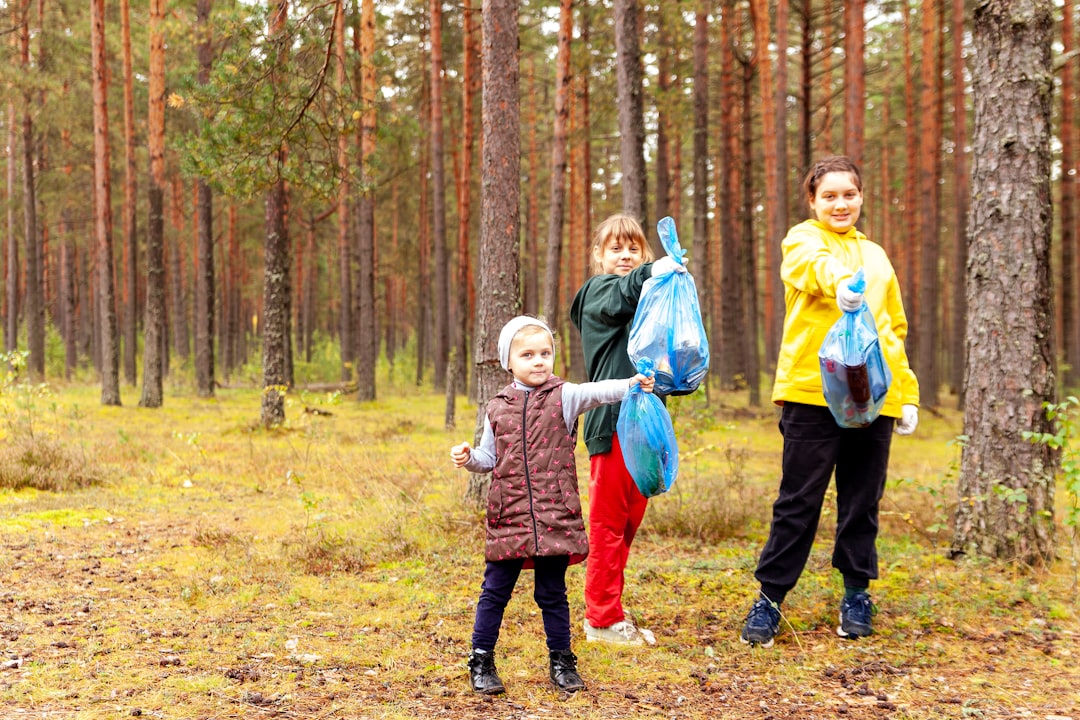
Swedish parenting is a philosophy that reveals something fundamental about Swedish culture: the belief that children are people, that parents deserve support, that society has a responsibility to families, and that childhood should involve freedom, risk, and outdoor play. Walk through a Swedish park on a weekday and you might see preschoolers playing in the rain, jumping in puddles, getting gloriously muddy, with no apparent adult supervision nearby. This isn’t negligence; this is intentional parenting rooted in a specific set of beliefs about how children learn, grow, and develop into healthy adults.
The Swedish approach to parenting might seem shockingly permissive to visitors from more controlling parenting cultures. It might seem cavalier about safety to those accustomed to structured, supervised activities. But it’s actually deeply intentional, backed by research, and reflects broader Swedish values about equality, independence, and trusting people (including children) to make good decisions.
The Gender-Neutral Approach
Swedish parenting is gender-neutral in a way that’s become somewhat famous internationally. Swedish culture doesn’t strongly differentiate between boys’ and girls’ appropriate behavior, toys, colors, or activities. A boy playing with dolls is normal. A girl playing with trucks is normal. Both are expected to develop the same skills, express emotions freely, and pursue whatever interests them.
This starts young. In Swedish preschools, toys are typically not gender-segregated. The toy kitchen is available to all children. The toy cars are available to all children. Adults don’t reinforce gender stereotypes through their reactions. If a child wants to wear a dress one day and dinosaur pants the next, this is met with complete acceptance.
This approach reflects the Swedish value of equality and the belief that children shouldn’t be limited by arbitrary gender stereotypes. It’s rooted in feminism and the push for genuine equality—the idea that if women are equal to men, then girls and boys should be socialized equally, given the same opportunities, and trusted with the same types of decision-making and independence.
In practice, this means that Swedish mothers and fathers share parenting responsibilities more equally than in many other cultures. Fathers change diapers, attend preschool pickups, and are expected to take parental leave. Mothers have careers and aren’t expected to be the primary parent. The division of labor is more negotiated and less determined by gender.
Outdoor Preschools: I Skogen (In the Forest)
One of the most distinctive features of Swedish parenting culture is the outdoor preschool movement. These are preschools that operate primarily outdoors, in forests or parks, regardless of weather. The concept is called “i skogen”—”in the forest”—or more generally, outdoor pedagogy.
In an outdoor preschool, children spend most of their time outside. They play in the forest, climb trees, play with sticks and leaves, explore streams, and engage with natural elements. Yes, this includes rainy days. Yes, this includes cold days. Yes, they get muddy and soaking wet.
The Swedish attitude toward weather is revealing: there’s no bad weather, only bad clothing. If it’s raining, you dress in waterproof gear and go outside. The rain is part of the experience, not an obstacle to it. This approach teaches children that weather is manageable and that you can play outside in conditions that many other cultures would consider prohibitive.
The benefits, according to research and Swedish educators, include increased physical fitness, better emotional regulation, more creativity (unstructured play with natural materials develops different skills than structured activities), stronger immune systems, and better mental health. The outdoor preschool movement is partly based on research showing that outdoor play and nature exposure have measurable benefits for child development.
For parents considering Swedish preschools, outdoor programs are extremely popular. Spots are competitive. Parents understand that their children are getting experiences and learning in ways that feel fundamentally different from indoor institutional settings.
Generous Parental Leave: 480 Days Shared
Sweden’s approach to parental support is stunning compared to most other countries. Parents (and the word is intentionally gender-neutral) get a combined total of 480 days of paid parental leave to share between them. The payment replaces up to 80% of your income for 390 of those days, and then a lower rate for the remaining 90 days.
This means a parent can take over a year of paid leave from work after having a child, and two parents can share the time to suit their needs and preferences. A mother can take 6 months, a father can take 6 months. Or they can divide it differently. The key is that it’s a shared resource that families can allocate however makes sense for them.
The leave is job-protected. You cannot be fired or demoted for taking parental leave. Your job (or an equivalent one) will be waiting when you return. This certainty allows parents to actually focus on childcare and bonding rather than worrying about their careers.
Additionally, Sweden has a cap on how much paid leave one parent can use without the other also using some (though the specifics have changed over time). This is intentional policy design to encourage both parents to be involved in childcare and to prevent mothers from being the default parent who stays home.
The results are visible: Swedish fathers are actively involved in childcare in ways that are less common in many other countries. You’ll see fathers pushing strollers, attending playgroups, and obviously comfortable with child-rearing. This isn’t unusual or noteworthy; it’s normal. The generous parental leave structure enables this.
Pappaledig: Daddy Leave as Normal
The Swedish term “pappaledig” specifically refers to fathers taking parental leave. The existence of a specific word for this reflects how normalized the practice has become. In Sweden, a father taking parental leave isn’t doing something unusual or admirable; he’s doing something expected.
This cultural normalization of paternal childcare has broad effects. It means fathers develop genuine competence and confidence in parenting, not just helping out but actually being caregivers. It means children have two active parents. It means women aren’t trapped in the role of primary parent. It means workplaces have to accommodate the reality that any worker might be on parental leave, regardless of gender.
For Swedish society, this has meant more gender equality in the workforce, more equitable distribution of unpaid care work, and children who grow up with two genuinely involved parents. It’s a positive feedback loop: the generous parental leave enables involved fatherhood, which normalizes male caregiving, which makes people expect men to be involved in childcare, which makes the generous parental leave more likely to be used by both genders.
The Ban on Spanking: First in the World (1979)
Sweden was the first country in the world to legally ban spanking and other corporal punishment of children. This happened in 1979 and reflected a cultural shift toward seeing physical punishment as not just ineffective but harmful to children.
The law wasn’t based on punishment—the government didn’t arrest parents for spanking. Instead, it was based on changing social norms. Once spanking was illegal, it became socially unacceptable. Swedish culture shifted toward seeing physical punishment as a failure of parenting, not a legitimate tool.
This reflects the Swedish approach to parenting more broadly: children are people deserving of respect. You don’t solve behavioral problems through physical force; you solve them through communication, setting boundaries, and helping children understand consequences. This doesn’t mean Swedish children are undisciplined—they’re not. It means discipline happens through reasoning and relationship rather than through physical punishment.
Today, Sweden has among the lowest rates of childhood physical abuse in the world, which some attribute to the cultural shift that followed the spanking ban.
Risky Play Theory: Why Swedish Playgrounds Look “Dangerous”
If you visit a Swedish playground, you might be struck by the apparent lack of safety features. There are tall climbing structures without much padding underneath. Trees are climbed. Sticks are used as play materials. Rope swings hang from branches. Gaps exist where children might fall.
American parents, particularly, often express concern. “Isn’t this dangerous?” they ask. “Shouldn’t there be more padding? Shouldn’t someone be watching more closely?”
Swedish parenting embraces what researchers call “risky play.” The idea is that exposure to managed risk helps children develop confidence, resilience, and competence. If you climb a tree and fall from a low branch, you learn what your body can handle. If you swing too high and jump off, you learn your limits. If you play with sticks, you learn spatial awareness and how to manage tools.
The research on risky play suggests that children who engage in it develop better risk assessment skills, fewer injuries overall (because they’ve learned to recognize real danger), better physical development, and more confidence in their abilities. They’re less likely to suffer from anxiety and more likely to be resilient.
Swedish playgrounds reflect this philosophy: they include elements that challenge children, that involve some risk, and that require decision-making and agency. The presumption is that children are competent and that exposure to managed risk is beneficial.
For children in risky play environments, independence and self-assessment are valued more than constant adult monitoring. A Swedish child learns to climb a tree and assess whether a branch will hold them. A Swedish child learns to jump off equipment and estimate the landing. These skills develop resilience and confidence.
The Latte Papas of Stockholm
Interestingly, despite (or perhaps because of) the cultural support for involved parenting, Sweden also has a stereotype of the “latte papa”—the father who spends his parental leave going to cafés, drinking coffee, and seemingly not doing much parenting. The stereotype is somewhat affectionate, recognizing that parental leave is also time to relax, not just to be constantly actively parenting.
This reflects a Swedish view that parental leave is for parents to bond with children while also having some freedom and flexibility. It’s not meant to be an exhausting, always-on experience but rather a more relaxed time when you’re home from work and can organize your days differently.
The latte papa image also reflects the visibility of fathers on parental leave in Swedish cities. Cafés in Stockholm are full of fathers with children during the day, which would be somewhat unusual in many other countries. The fact that it’s notable enough to have a nickname shows how normalized it’s become.
What Swedish Parenting Reveals About Swedish Values
Swedish parenting philosophy reveals something fundamental about Swedish culture: the belief in equality, trust, and the capacity of people (including children) to make good decisions when given support and freedom. It reflects confidence in society’s ability to care for children and families collectively. It reflects the belief that childhood should be a time of freedom and play, not constant structured supervision.
It also reflects feminism and the push for genuine gender equality. If women and men are equal, then parenting responsibilities must be equal. If children are people, then they deserve respect, freedom, and agency. If society values all its members, then it must support families through generous parental leave and accessible childcare.
These values permeate Swedish culture beyond just parenting. The trust that people will do the right thing (evident in generous parental leave and outdoor play), the belief in equality (evident in gender-neutral parenting and shared responsibilities), and the emphasis on freedom and agency (evident in outdoor preschools and risky play) show up throughout Swedish society.
Visiting Swedish Families and Understanding the Culture
If you’re visiting a Swedish family and observing their parenting, understand that what might look like permissiveness or lack of supervision is actually intentional parenting rooted in specific values and supported by research. Children running free in the forest, playing with sticks, climbing trees—this is valued and intentional.
If you’re a parent yourself, you might find Swedish approaches refreshing or challenging, depending on your own background. Swedish parenting trusts children more than many approaches do. It emphasizes freedom and natural consequences. It values outdoor play and risk. It expects parents to be actively involved but also to step back and let children figure things out.
Swedish parenting doesn’t produce undisciplined wild children. Swedish children are generally well-behaved, considerate, and confident. They’ve learned self-regulation through exposure to freedom and natural consequences, not through constant direction and punishment.
The Swedish approach to childhood and parenting is rooted in a coherent set of values and beliefs about what children need to develop into healthy, confident, equal adults. Whether you agree with every element or not, it’s worth understanding and appreciating as a distinctive and thoughtful approach to one of life’s most important responsibilities.




Leave a Reply