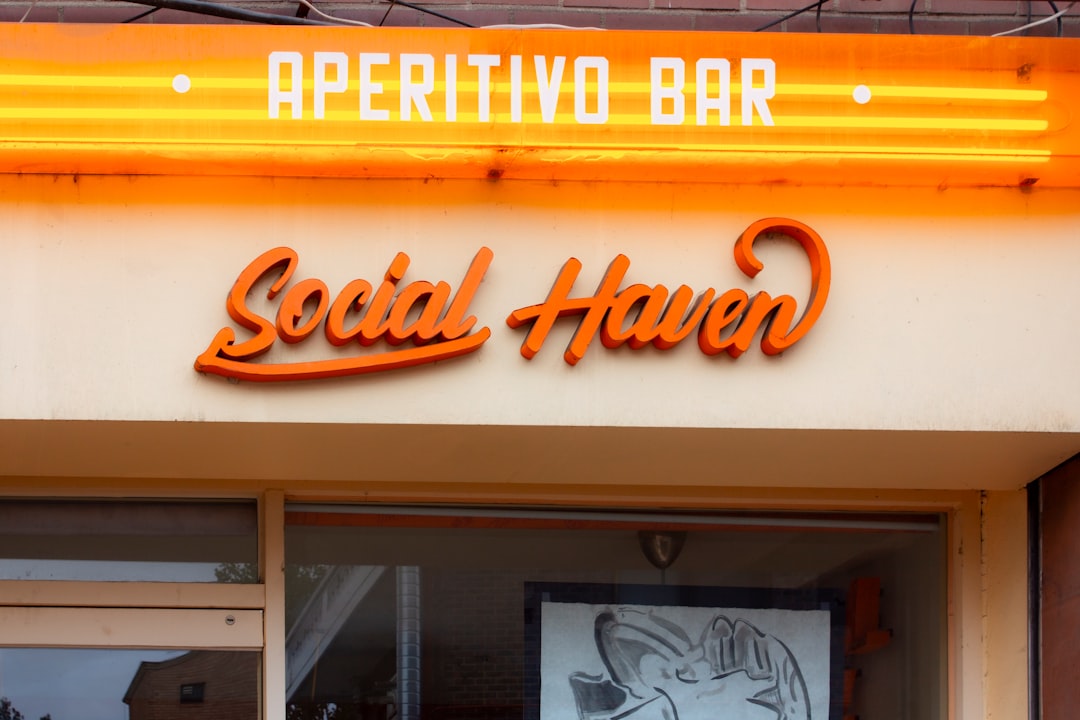
There’s a moment in every first-time visitor’s Spanish experience when it clicks: you’re standing at a bar in a crowded plaza, balancing a small plate of jamón ibérico and patatas bravas in one hand and a glass of wine in the other, surrounded by locals laughing and talking, and you realize this is dinner. Not a meal you sit down for. Not something you eat alone. This is social, democratic, delicious, and completely Spanish.
Welcome to tapas culture, one of Spain’s greatest gifts to the world and arguably the most understandable part of Spanish life for travelers. Tapas aren’t just food—they’re a philosophy about eating, socializing, and how to spend an evening. Once you understand the rules (and yes, there are unwritten rules), you’ll unlock one of the most satisfying parts of Spanish experience.
The Origin Stories: How Bread Became Tradition
Like all the best traditions, tapas have multiple origin stories, each one plausible and none of them definitively proven.
The most charming explanation involves medieval tavern keepers. Dust and flies were a problem in open-air Spanish drinking establishments, so the genius solution was to cover your glass of sherry with a slice of bread (una tapa, literally a lid). Eventually, someone added cheese or jamón to that bread, someone else got hungry, and suddenly you had a snack. The tradition stuck.
Another version places the origin in Andalusia (particularly Seville and Cádiz), where the sherry industry was booming. Bartenders wanted to keep customers drinking, so they started offering free small bites with each drink. A customer who eats a salty snack drinks more. Economics and hospitality combined.
Yet another theory suggests that King Alfonso X of Castile, who had a speech impediment, required hospitality establishments to serve food with wine to help him speak more clearly. Whether or not this is true, the tradition aligned with his preference, and it became law.
What matters isn’t which story is correct—it’s that tapas emerged from necessity and hospitality. They represent the Spanish belief that eating and drinking are communal acts. You don’t drink alone; you drink with friends and food. This basic philosophy drives everything that follows.
The Geography of Free Tapas
Here’s one of Spain’s best-kept secrets: in some cities, tapas are free when you buy a drink. In others, they cost money. Knowing which is which can save you money and prevent disappointment.
The Free Tapas Cities (mostly in Andalusia and Castilla-León):
Granada is the gold standard. Order a cerveza (beer) for €2-3, and the bartender will slide a plate your way: jamón, cheese, croquetas, fried squid, patatas bravas, or whatever the kitchen has made that day. Every drink comes with a different free tapa. Local legend says Granada’s bartenders started offering free tapas to compete for customers, and the tradition became so established that it’s now the norm.
León, Salamanca, and Almería follow similar patterns. In León, the free tapa tradition is almost as strong as Granada’s. You can eat a decent meal by just ordering several drinks and collecting the accompanying tapas.
Córdoba and Cádiz also offer free or very cheap tapas with drinks, though the quantities and consistency vary by bar.
The Paid Tapas Cities:
Barcelona, Madrid, Bilbao, and Valencia typically charge for tapas, even in more casual bars. A small plate might cost €2-5. The quality and portion size are often higher, but you’re paying for them. This doesn’t mean you can’t find good value—you absolutely can—but you need to understand that tapas here are menu items, not gifts.
There’s no moral judgment either way. Paid tapas cities have evolved more elaborate, sophisticated preparations. Free tapas cities celebrate quantity and variety. Both are valid Spanish experiences.
How to Order: The Unspoken Rules
When you enter a Spanish bar for tapas, you’ve entered a different world from sit-down dining. Here are the actual rules, which are more flexible than you might think.
The Bar vs. The Table:
The bar itself (la barra) is always cheaper and more casual than sitting at a table. When you sit at a table in a tapas bar, you’re generally expected to order more and stay longer. You might order a combination of tapas plus a main dish. The bartender treats you differently.
At the bar, you can order one drink and one plate and stand there peacefully for 30 minutes. This is fine. You’re a real customer. You’re not obligated to buy a three-course meal or maintain a table for hours. The beauty of bar culture is its flexibility.
Pointing is Completely Acceptable:
There’s a persistent myth that you should speak fluent Spanish to order at a Spanish bar. Nonsense. Spaniards understand that tourists exist. Point at what you want. Say the name if you know it. The bartender will figure it out.
In fact, pointing is often easier than pronouncing “espinacas con garbanzos” (spinach with chickpeas). Don’t apologize for it. The bartender appreciates that you’re trying, and they’re used to tourists.
Quantity Terminology:
- Una tapa: A small plate, usually 2-3 bites’ worth, maybe €2-4
- Una media ración: Half a ración, about twice the size of a tapa, maybe €4-8
- Una ración: A full portion, often substantial enough to constitute a meal, maybe €8-15
- Un montadito: A single bite or small snack, typically €1-2
You can mix and match. Order several tapas, a media ración, and maybe one ración. Or just order four tapas and make a meal of variety. This is the whole point—you get to customize.
What to Look For:
The best tapas bars have visible signage showing what they’re serving that day. Some places have printed menus; others have chalkboards. Look for:
When in doubt, ask the bartender what’s good today. “Qué es especial hoy?” (What’s special today?) will get you an honest recommendation.
Ir de Tapas: The Bar Crawl as Social Institution
There’s a specific culture around eating tapas called “ir de tapas”—literally, “to go do tapas.” This isn’t a tourists-getting-drunk activity (though tourists can certainly participate that way). This is how Spaniards socialize.
A typical ir de tapas might involve:
The Group: 3-8 friends, or a couple on a date, or coworkers after work. It’s social, but not necessarily party-oriented.
The Progression: You start at one bar, order a drink and maybe two plates. You spend 20-30 minutes there, chatting and eating. Then someone suggests moving to another bar. You’ll hit maybe three to five bars in an evening. By the last bar, you’ve had several drinks and a full meal without ever sitting down at a restaurant.
The Pace: This is deliberately slow. You’re not racing to get drunk. You’re moving through your neighborhood, supporting local bars, and catching up with friends. Ir de tapas is often how Spaniards spend Thursday through Saturday nights before actually going to a discoteca (nightclub) later.
The Cost: Because you’re ordering strategically—one plate per person, one drink per person—the cost remains very reasonable. A full evening of tapas at multiple bars might cost €25-40 per person, including drinks.
The Conversation: What makes ir de tapas special is what happens between eating. You stand at the bar and talk. Really talk. Spanish conversation during ir de tapas is animated, passionate, and inclusive. If you’re traveling alone, you can absolutely join others at the bar. The culture is friendly to this.
This is where you actually learn about Spanish life, current events, football, relationships, and everything else that matters. It’s also where you see how Spaniards actually spend their evenings, not how they perform for tourists.
Pintxos in the Basque Country: A Delicious Variation
If you travel to Bilbao, San Sebastián, or other Basque cities, you’ll encounter pintxos (pronounced “peen-CHOS”), which are the Basque Country’s answer to tapas.
Pintxos are small bites, usually served on a piece of bread, and they’re displayed on the bar. You pick up a small plate and point to what you want. The bartender counts how many pintxos you’ve taken when you’re done and charges you accordingly.
The Toothpick System: The key difference from Southern Spanish tapas is that each pintxo is speared with a toothpick. You take a plate, walk along the bar, grab the pintxos that appeal to you (they’re stacked in small pyramids), and go to the register. The bartender counts your toothpicks and tells you the price.
In San Sebastián especially, pintxo bars (called txoko) are serious business. Some of the most sophisticated food in Spain happens in casual pintxo bars. You might find truffle-based pintxos, perfectly seared foie gras on toast, or innovative combinations that would cost €25 per plate at a Michelin restaurant but cost €3-5 here.
The Honor System: This is crucial—pintxo bars run on the honor system. You take what you want, no one watches you closely, and you pay at the end. This only works because Spaniards are generally honest. If you try to cheat the system, you’ll be remembered in your neighborhood as that person, which is a quiet kind of shame in Spanish culture.
The Social Ritual: Like tapas, pintxos are social. You’re standing at the bar, eating, watching the bartender work, talking with whoever’s next to you. It’s intimate and interactive in a way that sit-down restaurants aren’t.
Regional Differences and Local Names
Spain’s tapas culture isn’t monolithic. Different regions have different traditions and even use different terminology.
In Catalonia, you might see “tapes” (similar to tapas) served at bars, and the tradition is less central to the culture than in Andalusia. The pace of life is a bit faster in Barcelona.
In Madrid, tapas bars are everywhere, but they’re often more polished than in smaller towns. You’ll find elaborate creations alongside traditional plates. Madrid tapas bars cater to both locals and the massive tourist crowd.
In Seville and Granada, tapas are about abundance and generosity. The portions of free tapas are notably generous. The culture is festive and social.
In the Basque Country, as mentioned, pintxos dominate, and the tradition of creative innovation is stronger than in anywhere else in Spain.
In Galicia, you might encounter “pinchos” (spelled differently, pronounced slightly differently), which are often more substantial than tapas, sometimes hot, and frequently involve seafood.
The Unwritten Rules of Tapas Bar Etiquette
Spaniards take tapas bars seriously, not as a rules-heavy experience, but as a social space. Here’s how to behave:
Don’t Block the Bar: If you’re standing at the bar eating, stay out of the way of other customers trying to order. Move aside slightly if someone needs to get past. This is basic courtesy in crowded spaces.
Clean Up After Yourself (Sort Of): Spanish bars have a culture of casual messiness during service. You can toss olive pits on the floor. You can leave small bits of food around your spot. The bartender will sweep at the end. But don’t be a slob—don’t leave a massive mess.
Settle Your Tab: At some bars, you settle up immediately after ordering. At others, you pay when you’re leaving or moving to the next bar. The bartender will indicate which system is in place. If you’re unsure, just ask.
Don’t Expect Fast Service: Tapas bars during peak hours (8-10 PM) can be chaotic. You might wait to order. You might wait for your plate. This is normal. Don’t snap your fingers or be aggressive with the bartender. They know you’re there.
Join Conversations if Invited: Spanish bars are social. If locals at the bar start talking about football or politics, and they’re friendly about it, you can absolutely join in. Conversely, if they seem to want privacy, let them have it.
Tip Appropriately: In Spain, tipping isn’t obligatory, but it’s appreciated. For tapas bars, leaving €1-2 for every few drinks or rounding up to the nearest €5 is generous and welcoming.
The Pintxo Bar vs. The Tapas Bar: Finding What You Want
When you arrive in a Spanish city and want to eat tapas, how do you find the right place?
Look for crowded local bars: The busiest bar on the street is almost always better than a quiet one that’s clearly targeting tourists. Locals vote with their feet.
Avoid the tourist traps: Bars with glossy menus featuring pictures, bars in the major tourist squares, and bars advertising in English are usually mediocre and overpriced. Go 2-3 blocks away from the obvious tourist areas and you’ll find better food at better prices.
Ask your hotel or accommodation: Locals working in hotels usually know the good tapas bars. They’ll give you honest recommendations, especially if they’re proud of their neighborhood.
Look at the food: The best tapas bars have the best-looking food. Does it look fresh? Are there several dishes that look inviting? Is the display neat or sloppy? Trust your eyes.
Go during peak hours: If you go to a tapas bar at 6 PM or 4 PM, you’ll find a quiet bar with picked-over offerings. Go during actual aperitivo hours (8-10 PM on weeknights, 8-midnight on weekends) and you’ll find energy, fresh food, and the real experience.
Making a Meal of It: Strategy for Full Dining
You absolutely can make a full meal of tapas without ever sitting down at a restaurant. Here’s how:
Order one small tapa per person to start. If it’s free or very cheap, order another. Then order a media ración (half portion) of something more substantial. Maybe some gambas al ajillo, or espinacas con garbanzos, or jamón ibérico with queso. Order bread if you’re still hungry.
This approach gives you variety, keeps costs down, and aligns with how Spaniards actually eat during ir de tapas. You’re mimicking local rhythm instead of trying to create a “full meal” experience, which isn’t what tapas are about.
Why Tapas Matter: The Philosophy
Tapas aren’t just food. They’re a statement about what food should be: communal, affordable, accessible, and social. You don’t need an expensive restaurant to eat well in Spain. You don’t need to sit down for two hours. You don’t need to order a fixed menu.
Tapas represent democracy in eating. Whether you’re a student, a worker, a tourist, or a retiree, you can go to a bar, spend €5, eat something delicious, and be part of your community. This is revolutionary in a world of corporate chains and expensive restaurants.
When you’re eating tapas at a bar in Granada or Madrid, standing among strangers and locals, balancing a plate in one hand and a drink in the other, talking to someone you just met, you’re participating in something genuinely Spanish. You’re not a tourist anymore. You’re just someone eating, drinking, and being alive in Spain.
That’s the real magic of tapas culture.




Leave a Reply