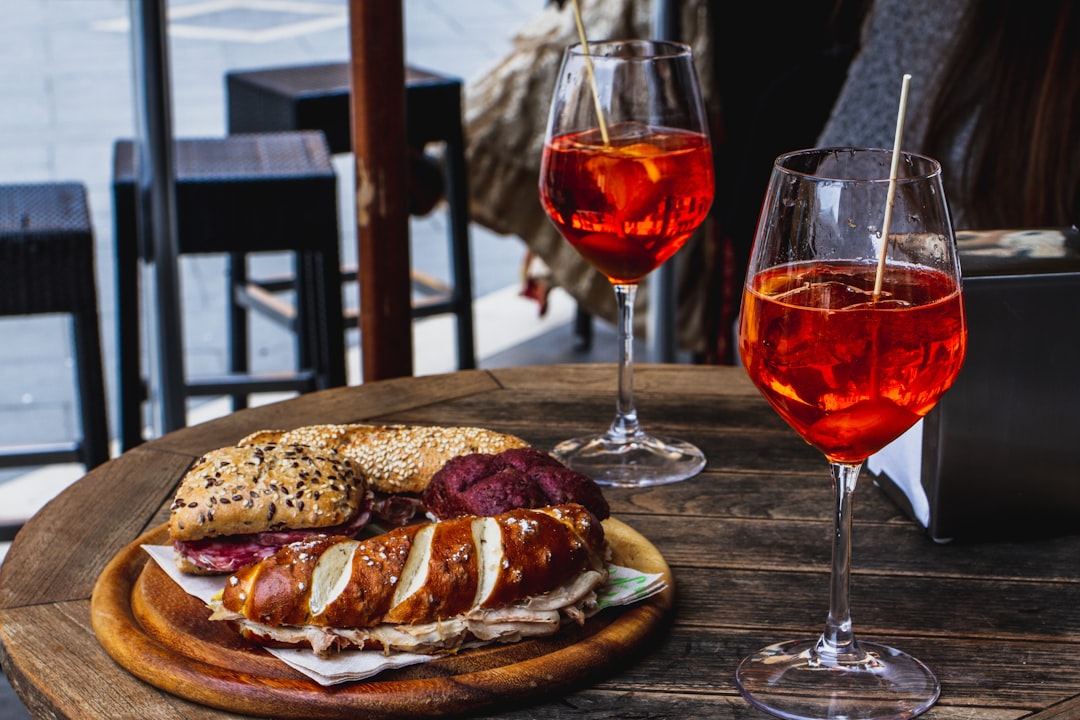
It is 6:30 in the evening on a warm Thursday in Milan. The workday is over, dinner is still three hours away, and the city’s bars and cafés are filling with people who have no intention of getting drunk, no interest in eating a full meal, and every intention of spending the next ninety minutes in a state of civilized, low-key pleasure. This is aperitivo — Italy’s answer to the question of what to do between work and dinner, and arguably the country’s most exportable cultural invention after the Renaissance.
Origins in Turin: Where Vermouth Was Born
The aperitivo tradition traces its roots to 1786, when Antonio Benedetto Carpano introduced his recipe for vermouth in Turin. The word aperitivo comes from the Latin aperire — to open — reflecting the belief that a bitter, herbaceous drink before dinner opens the appetite and prepares the stomach for the meal to come. Turin’s café culture embraced the concept immediately, and by the nineteenth century, the city’s elegant piazzas were lined with establishments serving vermouth, bitters, and light snacks in the early evening hours.
The tradition spread south and east — to Milan, Venice, Florence, and eventually the entire peninsula. Each region adapted it to local tastes and ingredients, creating a mosaic of aperitivo cultures united by a single principle: the early evening is sacred, and it belongs neither to work nor to dinner, but to the gentle art of transitioning between the two.
The Drinks: A Bitter Education
Aperitivo drinks share a common thread: bitterness. The Italian palate prizes amaro (bitterness) as a flavor category in a way that American palates often do not, at least not initially. The classic aperitivo drinks are built on bitter liqueurs and fortified wines, tempered by sweetness and diluted by sparkling water or prosecco.
The Aperol Spritz — Aperol, prosecco, and a splash of soda water, served over ice with an orange slice — has become the ubiquitous symbol of Italian aperitivo culture, its vivid orange color as recognizable as a Ferrari. It dominates in Venice and the Veneto region, where the spritz tradition began as a way for Austrian occupiers to dilute (spritzen) Italian wines they found too strong.
The Negroni — equal parts gin, Campari, and sweet vermouth — is the more sophisticated, more potent elder sibling. Legend holds that Count Camillo Negroni invented it in Florence in 1919 by asking his bartender to strengthen his Americano cocktail with gin instead of soda water. It is ruby red, bracingly bitter, and utterly perfect. Milan claims the Negroni Sbagliato — a “broken” Negroni that substitutes sparkling wine for gin — which has recently achieved international fame.
Other regional favorites include the Hugo (elderflower syrup, prosecco, and mint, popular in the Dolomites and Alto Adige), the Americano (Campari, sweet vermouth, and soda water), and simple prosecco served as a standalone aperitivo in much of the northeast. In Turin, vermouth served neat over ice with an orange peel remains the purist’s choice.
The Food: From Chips to Feasts
What accompanies the drink varies enormously. At a traditional bar in Rome, aperitivo might mean a small bowl of olives and potato chips served alongside your Campari. Perfectly adequate. But in Milan, aperitivo evolved into something far more extravagant during the 1980s and 1990s. Milanese bars began offering elaborate buffet spreads — pasta salads, bruschetta, cured meats, cheeses, rice dishes, crostini, and more — included in the price of your drink, which typically costs eight to twelve euros. This “apericena” (a portmanteau of aperitivo and cena, dinner) blurred the line between drinks and a meal, and many young Milanese use it as a budget dinner strategy.
Aperitivo vs. Happy Hour
Visitors sometimes equate aperitivo with happy hour, but the two are philosophically distinct. Happy hour is about discounted drinks and volume — the goal is to drink more for less. Aperitivo is about ritual and transition — one or two drinks, consumed at a leisurely pace, often while standing at the bar or sitting at an outdoor table watching the passeggiata (evening stroll) unfold. Getting drunk at aperitivo is considered poor form. The point is not intoxication but conviviality — a structured moment of social pleasure that prepares you for the evening ahead.
The Best Cities for Aperitivo
- Milan — The undisputed capital of elaborate aperitivo buffets. The Navigli canal district is ground zero.
- Venice — Spritz culture at its most atmospheric. Drink standing at a canal-side bacaro (wine bar) with cicchetti (small snacks).
- Turin — The birthplace, with a vermouth tradition that feels both historic and contemporary. Piazza Vittorio at sunset is sublime.
- Florence — Negroni territory. The bars around Santo Spirito and Sant’Ambrogio market are ideal.
- Rome — More modest but deeply authentic. Trastevere and Testaccio offer excellent options without the Milanese extravagance.
- Bologna — A university city with a vibrant, youthful aperitivo scene centered on Piazza Maggiore and Via del Pratello.
The aperitivo hour is one of those cultural practices that, once experienced, makes you wonder why the rest of the world has not adopted it wholesale. It is affordable, social, moderate, and deeply pleasurable. It transforms the dead zone between work and dinner into the best part of the day. And it embodies a truth that Italy understands better than almost anywhere else: the good life is not about grand gestures, but about small, daily rituals performed with care and shared with others.




Leave a Reply