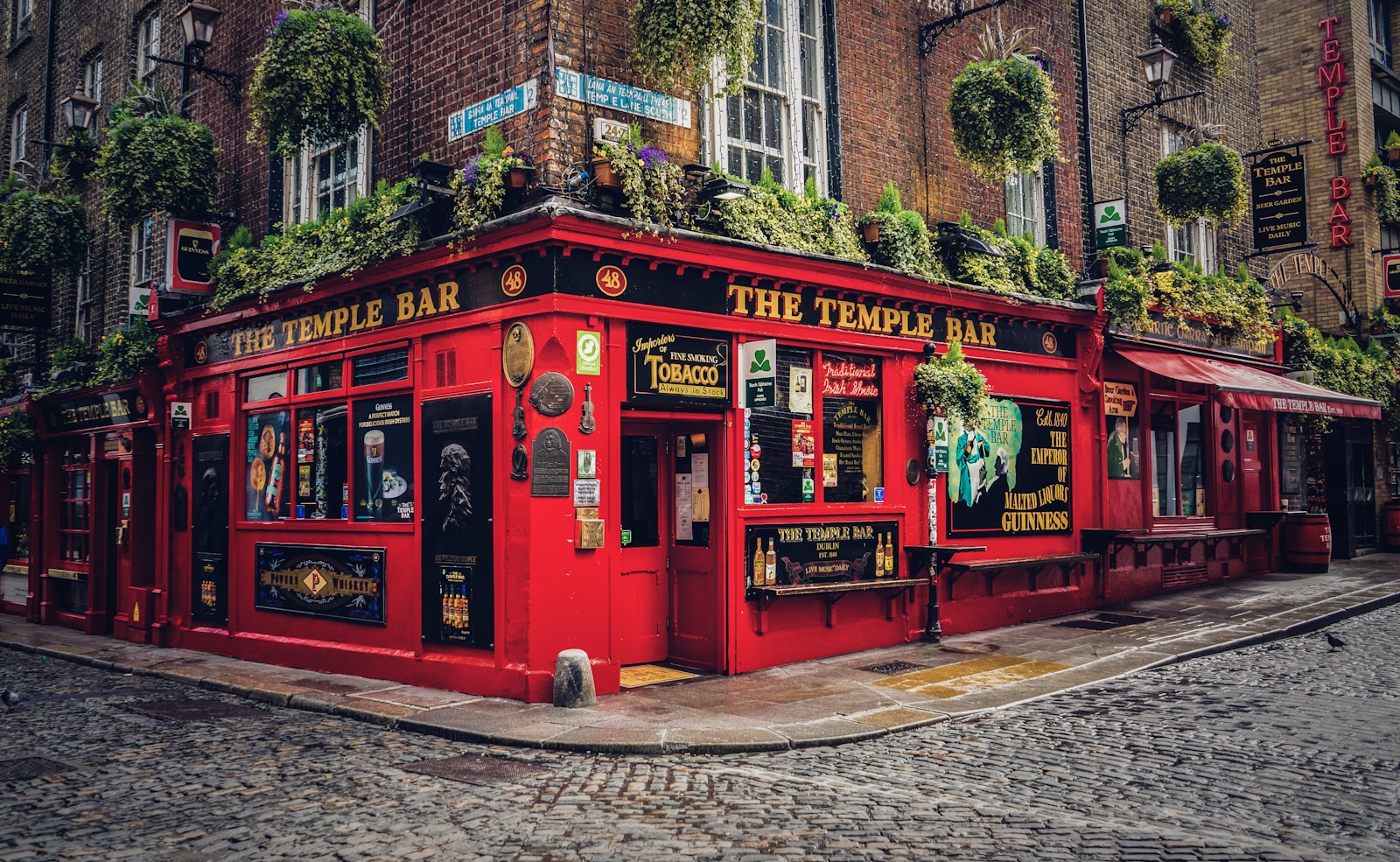
Welcome to the Great Social Institution
The Irish pub isn’t just a place to drink. It’s a social club, a community center, a place to settle arguments, share gossip, make friends, and engage in what is basically organized chaos masquerading as casual conversation.
If you’re American, you’ve been to bars. But Irish pubs operate on completely different social rules. Understanding pub culture will transform your trip from “visited some places in Ireland” to “experienced something genuinely Irish.”
The Pub as Social Gathering
An Irish pub is inherently social. There’s an unspoken expectation that you’re there to engage with people. This doesn’t mean you have to be extroverted, but it does mean that sitting silently in the corner doesn’t really work—eventually, someone will draw you into conversation.
The pub is where:
- Strangers become friends in an evening
- Arguments about local politics happen (and both sides buy each other drinks)
- The entire social structure of the community is on display
- Someone always knows someone you know
- Nothing is truly private (everyone will hear your business)
- Gossip is the primary currency
How to Start a Conversation With a Complete Stranger
In Ireland, starting a conversation with a stranger at the bar is not weird—it’s expected. Here’s how to do it:
Rule 1: Acknowledge the Obvious
Comment on something immediately visible and non-controversial:
Rule 2: The Opening is Just Permission
Your opening comment isn’t trying to be witty—it’s permission to engage. It says “I’m open to talking to you.” Irish people will take it from there.
Rule 3: Ask Questions, Then Shut Up
Ask them something about themselves, then actually listen. Irish people appreciate good listeners more than they appreciate people trying to be funny.
Then listen to the answer. Actually listen. Don’t formulate your response while they’re talking.
Rule 4: The “Stranger” Phase Lasts Exactly 5 Minutes
After about five minutes of pub chat, you’re no longer a stranger. You’re “that American friend.” You’ll hear this repeatedly. “This is my American friend…” They’ll probably tell the entire pub something personal about you by the end of the night.
Acceptable Topics: What to Talk About
Sports (Absolutely Safe)
Irish people are passionate about sports in a way Americans sometimes struggle to comprehend. Football (both versions—soccer and Gaelic football), rugby, and hurling are national obsessions.
You don’t need to know much about sports—just know that:
If you have even a vague interest in any sport, mention it. An Irish person will talk to you for two hours about it.
Local Gossip
The absolute best topic in an Irish pub is local gossip. You don’t have to know the people—the storytelling is the point.
“What’s the story with that place down the street?”
You’ll get a detailed history of the building, everyone who’s ever owned it, why they failed, local conspiracies, and probably a good laugh. This is the craic at its finest.
Weather (Always Safe)
Never underestimate weather as a topic in Ireland. It’s not small talk—it’s genuine concern.
“The weather’s been fierce rough lately, hasn’t it?”
They’ll agree passionately and discuss rain patterns, drought conditions, wind speeds, or unexpected sunshine with genuine investment.
Travel & Tourism (Your Advantage)
Irish people love hearing where you’re from and what you’re doing in Ireland.
“Where are you visiting after here?” will lead to 30 minutes of recommendations, warnings, personal anecdotes, and detailed directions you didn’t ask for.
Food & Drink
Never trivialize food conversations in Ireland. Ask where to eat, what’s good, what’s terrible, what’s a tourist trap. Irish people have passionate opinions about food.
“What should I eat here?” is actually inviting someone into a conversation about local pride, tradition, and what’s worth your money.
Topics to Absolutely Avoid (Unless You Know What You’re Doing)
Religion
Full stop. Just don’t do it. Even though Ireland is less religious than it was, religious identity can still be complicated. You don’t know someone’s relationship to the Catholic Church, Protestant traditions, or religious history.
If somehow it comes up naturally, ask questions and listen. Don’t preach or compare to American religious experience.
Northern Ireland (The Complicated Bit)
This is tricky. Irish people will absolutely discuss Northern Ireland and politics, but as an American, you need to be very careful. This involves centuries of complex history, ongoing political debate, and genuine passion.
General rule: Don’t bring it up. If they bring it up, listen a lot and say very little. Don’t take sides. Don’t make jokes. And absolutely don’t say something like “But wasn’t that a long time ago?” It absolutely wasn’t, in terms of living memory and political reality.
Money & Salaries
Americans tend to be more open about how much they make or spend. Irish people are not. Don’t ask how much someone makes, and don’t volunteer your own salary information.
Personal Politics (Unless Asked)
General discussions of Irish politics and policy are fine. Personal political opinions? Tread carefully. You don’t know if someone’s a socialist, right-leaning conservative, Green Party voter, or Sinn Féin supporter. Let them lead.
Complaints About Service/Value
If you had a bad experience somewhere, maybe don’t complain about it in a pub where the bartender’s cousin owns the place and is definitely listening.
The Art of Slagging: Humor as Social Bonding
Slagging is the Irish art of good-natured insult as a form of bonding. It’s essentially teasing, but it serves a crucial social function: it proves you’re comfortable with someone.
How Slagging Works
If someone slags you, they like you. If they don’t slag you, you’re still too much a stranger. Being slagged means you’re in.
The Rules of Slagging
- It must be funny, not genuinely hurtful — The goal is laughter, not making someone feel bad
- It’s a back-and-forth — If they slag you, you slag them back
- It requires proximity — You slag close friends and pub mates, not distant strangers
- Context matters — The same joke might be funny with one person and offensive with another
- Timing is crucial — A good slag is delivered with perfect timing and a smile
What Americans Often Get Wrong About Slagging
American humor tends to be either self-deprecating or general observational humor. Irish slagging is personal—it targets specific traits, accents, behaviors, or quirks. It can sound brutal if you don’t understand the context.
American in a pub: “So you’re Irish?”
Irish person: “Ah yeah, and you’re American. That explains the volume and the confusion.”
American response (if you understand slagging): “Fair point. At least I understand what you’re saying half the time.”
Irish response: Laughs “Get him a drink.”
Rounds & Pub Etiquette: The Sacred Rules
How Rounds Work
In Irish pubs, drinks are often bought in rounds. One person buys a round for the group, then someone else, then someone else. This is not optional if you’re part of a group.
The Critical Rule: Everyone in the group gets a drink. This means if there are five of you, you buy five drinks. If you opt out of a round, you’re saying “I don’t consider you my friend.”
What Happens If You Mess Up Rounds
If you don’t understand rounds and skip yours, Irish people will:
As an American, you get a grace period of about one mistake. After that, you’re expected to understand.
The Order of Rounds
Whoever buys the first round usually decides who buys next: “So who’s getting the next round?” It goes around the group. In a large group, you might not have to buy during your whole time there. In a small group, you’ll likely buy at least twice.
Closing Time Culture: The Strange British Timekeeping
Irish pubs have official closing times set by law. This doesn’t mean you leave promptly. It means:
This is different from American bars where you can drink indefinitely. In Ireland, there’s an official end point. It’s oddly civilized compared to American bar culture.
The Lock-In: When the Pub Becomes Exclusive
A “lock-in” is when the pub closes its doors officially but lets certain people (usually the regulars and friends of the staff) stay and continue drinking. This is technically illegal if the bartender serves alcohol after hours, but it happens frequently and is considered charming rather than criminal.
If you’re invited to a lock-in:
The Session: Traditional Music’s Social Institution
A “session” is a gathering of traditional Irish musicians playing together, usually in a pub. This is different from a concert—it’s informal, collaborative, and the point is the music and community, not the performance.
If You Encounter a Session
Sessions happen regularly in pubs, usually on certain nights of the week. Asking “Do you have a session here?” will get you accurate information.
Conversation Patterns: Why Irish Pub Chat Feels Different
Americans tend to:
Irish people tend to:
This isn’t a problem—just an observation. An Irish person explaining why they’re late will give you the full backstory of why they went to that pub, who they ran into, what that person was doing, and then—40 minutes later—explain they missed their bus. An American would say “I missed my bus.”
The Final Rule: Stay Humble
Irish pub culture is fundamentally about being part of a community, even temporarily. As an American, you’re an outsider, but you can be an interesting outsider.
Going Home: The Great Pub Tradition
After a few hours in an Irish pub, you’ll understand why Irish emigration included so much nostalgia for the pub experience. There’s something genuinely magical about a place where strangers become friends in an evening, where conversation is valued over drinking, and where you feel part of something despite being a complete stranger that morning.
The best part? You’ll be back. And they’ll remember you.
“Oh, there’s the American! Get him a pint!”




Leave a Reply