Introduction
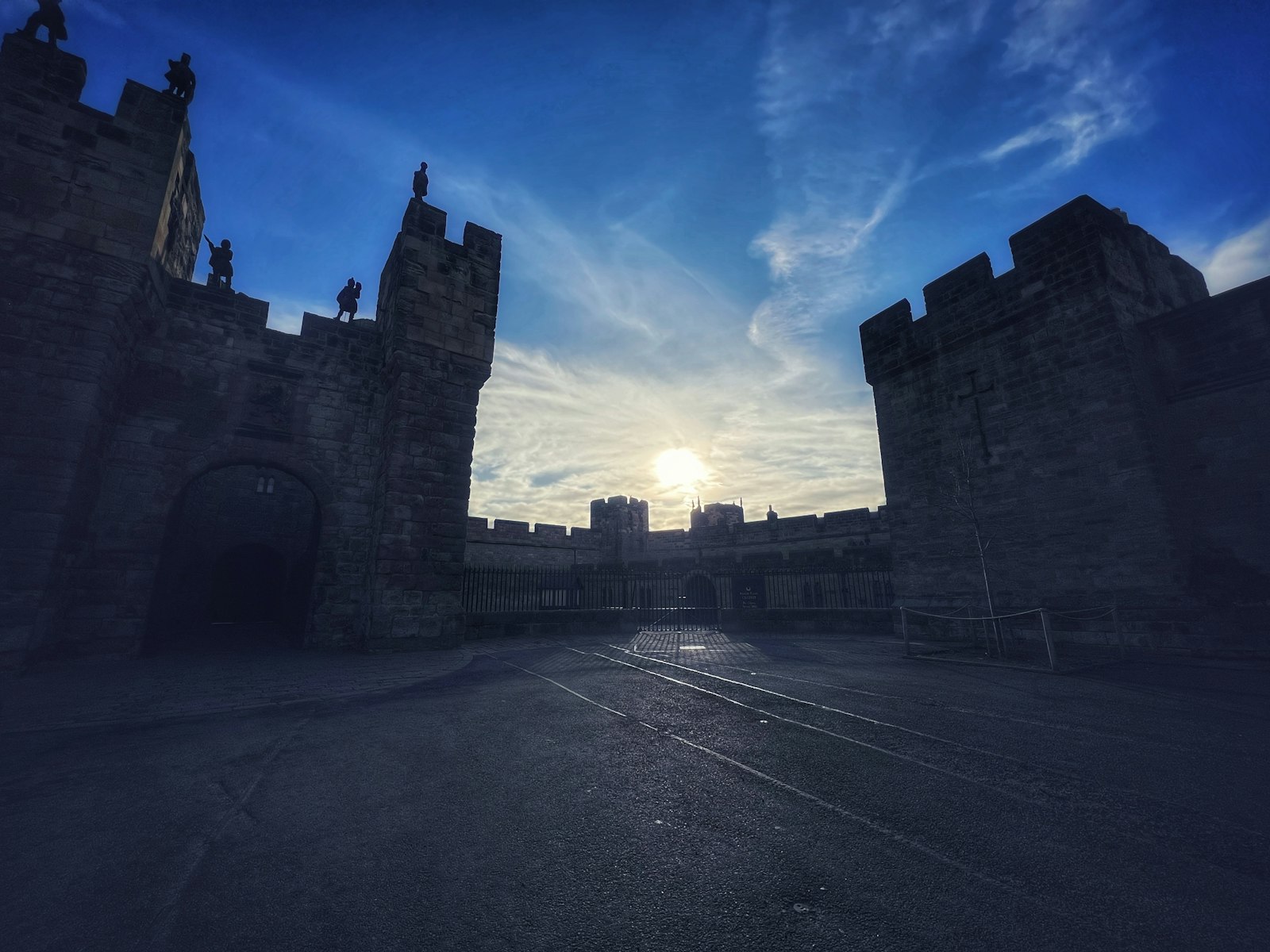
Britain’s castles and stately homes represent centuries of architectural achievement, from medieval fortresses to grand Georgian mansions. Visiting these properties provides insight into British history, power, wealth, and domestic life across centuries.
For Americans, castles and stately homes embody romantic notions of British heritage—medieval romance, royal history, and the lifestyle of the aristocracy. Many properties are now museums or are managed by heritage organizations, making them accessible to the public.
This guide covers the most significant and accessible castles and stately homes, plus practical information about planning castle visits efficiently.
Understanding British Castles & Stately Homes
Castles: Medieval fortified buildings, typically on hilltops or strategic locations, built to defend territory and control trade routes. Most are now ruins or have been repurposed.
Stately Homes: Grand houses built primarily for residence and display of wealth, typically by nobility or wealthy merchants. Most date from 1500s onward. Many are intact and preserved as museums.
Heritage Organizations: Many properties are managed by:
- English Heritage: Government heritage organization managing historic properties
- The National Trust: Charity organization managing historic properties and land
Both offer annual memberships providing free/discounted access to multiple properties.
The Top Castles
Windsor Castle
Windsor is the most famous and impressive British castle—a real, occupied royal residence and one of the oldest castles in continuous occupation in Europe.
History: Founded by William the Conqueror (1066), Windsor has been expanded and rebuilt over nearly 1,000 years. It’s one of the official residences of the British monarchy.
What to See:
Admission: About £27 (prices vary depending on what’s open). Allow 3-4 hours for a thorough visit. Book online in advance.
Location: Windsor, Berkshire, 25 miles west of London (30 minutes by train from London Paddington).
Caveat: St. George’s Chapel sometimes closes for services; check opening schedule.
Edinburgh Castle
Scotland’s most visited attraction, Edinburgh Castle dominates the city’s skyline from an extinct volcano.
History: Built in the 1100s on a naturally fortified hilltop, it’s one of Scotland’s most important military strongholds.
What to See:
Admission: About £20. Allow 2-3 hours.
Location: Edinburgh city center.
Character: One of Britain’s most impressive castles, with dramatic position, excellent museums, and profound historical significance.
Warwick Castle
Warwick Castle is one of England’s most intact medieval castles, with impressive towers, walls, and ramparts overlooking the River Avon.
History: Built 1068 by William the Conqueror, expanded and rebuilt through the medieval period. It’s one of the finest surviving medieval fortifications.
What to See:
Admission: About £18. Allow 2-3 hours (can be longer if doing family activities).
Location: Warwick, Midlands (2 hours from London by train).
Character: Well-maintained, impressive structure with good visitor facilities.
Alnwick Castle
Alnwick is one of the largest inhabited castles in England, the seat of the Duke of Northumberland. It’s spectacularly positioned on a hill above the Aln River.
History: Built 1095, continuously inhabited and modified through centuries.
What to See:
Admission: About £17. Allow 2-3 hours.
Location: Alnwick, Northumberland (2.5 hours from Newcastle).
Fame: Alnwick was used as a filming location for some “Harry Potter” scenes and “Downton Abbey.”
Bamburgh Castle
Bamburgh is a dramatic Norman keep overlooking Northumberland’s coastline. It’s less touristy than Warwick or Alnwick but equally impressive.
History: Built 1095, one of England’s strongest castles due to its hilltop position and substantial keep.
What to See:
Admission: About £8. Allow 1.5-2 hours.
Location: Bamburgh, Northumberland (near Alnwick).
Character: Dramatic and less crowded than major castles, offering genuine atmosphere without the commercialization.
Eilean Donan Castle
One of Scotland’s most iconic castles, Eilean Donan is dramatically positioned on an island in Loch Duich.
History: Built in 1230, it was nearly destroyed in the 1719 Jacobite Rising, then restored in the 1900s.
What to See:
Admission: About £9. Allow 1 hour (can be longer if exploring the loch).
Location: Loch Duich, Scottish Highlands (30 minutes from Fort William).
Character: Spectacularly positioned; the castle’s exterior is more impressive than its modest interior, but the overall experience is memorable.
The Top Stately Homes
Blenheim Palace
Blenheim is one of England’s grandest stately homes, an enormous Baroque palace and UNESCO World Heritage site.
History: Built 1705-1722 as a gift from the nation to John Churchill, Duke of Marlborough, for his military victories. It’s one of the finest examples of English Baroque architecture.
What to See:
Admission: About £26 (grounds only cheaper). Allow 3-4 hours minimum for house and grounds.
Location: Woodstock, Oxfordshire (8 miles north of Oxford, 1 hour from London).
Fame: Birthplace of Winston Churchill.
Character: Enormously impressive but can feel overwhelming. The combination of architecture, art, and landscape is world-class.
Chatsworth House
Chatsworth is one of England’s greatest stately homes, the seat of the Duke of Devonshire, containing world-class art and furniture.
History: Built 1500s-1700s, expanded over centuries. One of England’s most important houses.
What to See:
Admission: About £21 for house and grounds. Allow 3-4 hours.
Location: Chatsworth, Derbyshire (2 hours from London).
Fame: Used as a filming location for various productions including “Pride and Prejudice.”
Character: The interior decor and art collection are exceptional. The sheer accumulated wealth and taste is apparent.
Castle Howard
Castle Howard is a magnificent Baroque mansion and gardens in North Yorkshire, renowned for both architecture and setting.
History: Built 1699-1712, designed by John Vanbrugh. It’s one of England’s finest Baroque country houses.
What to See:
Admission: About £15. Allow 3-4 hours.
Location: North Yorkshire (near York, 2 hours from London).
Fame: Used for filming “Brideshead Revisited” and other productions.
Character: Architecture is stunning; grounds are beautifully preserved.
Highclere Castle
Highclere is famous as Downton Abbey (the filming location), but it’s also an important historical house.
History: Built 1679-1688 (and modified 1840s), seat of the Earls of Carnarvon. The current Earl of Carnarvon still lives here.
What to See:
Admission: About £16. Allow 2-3 hours. Opening is limited (typically summer weekends and specific seasons); check schedule.
Location: Near Newbury, Berkshire (1.5 hours from London).
Fame: The Downton Abbey filming location; many visitors come specifically for this.
Character: Smaller and more intimate than Blenheim or Chatsworth; the Downton Abbey connection is a major draw.
Leeds Castle
Leeds Castle is one of England’s most visited historic houses, surrounded by moat and set on an island in a lake.
History: Built in 1119, modified through centuries. It was a royal residence and has hosted royalty for nearly 900 years.
What to See:
Admission: About £18. Allow 3-4 hours.
Location: Leeds, Kent (30 minutes from London).
Character: The setting and exterior are more impressive than the interior, but the overall experience is pleasant.
Heritage Memberships & Passes
English Heritage Membership
English Heritage manages about 400 properties. Annual membership costs about £60-90 and provides free entry to all English Heritage properties.
Best for: Visiting multiple properties in England.
National Trust Membership
The National Trust manages about 500 properties. Annual membership costs about £70-100 and provides free entry to all Trust properties.
Best for: Visiting multiple properties across England, Scotland, Wales, and Northern Ireland.
English Heritage Holiday Passes
Multi-day passes provide discounted entry to multiple properties without membership commitment. Good for short-term visitors.
Cost: About £45-70 for 7-day pass.
Planning Castle Visits Efficiently
Strategy 1: Regional Focus
Rather than visiting isolated castles scattered across the country, focus on one region and visit multiple castles within that area.
Northern England Tour: Edinburgh Castle → Alnwick Castle → Bamburgh Castle (3-4 days)
Yorkshire Tour: York Minster → Warwick Castle → Leeds Castle (3-4 days)
Lake District/Northwest: Penrith Castle, Piel Castle, various smaller ruins
Strategy 2: Membership
If visiting 4+ properties, consider annual membership in English Heritage or National Trust. Membership pays for itself quickly and allows unhurried visits without feeling rushed.
Strategy 3: Combination with Towns
Visit castles in conjunction with exploring surrounding towns and landscapes rather than treating them as isolated attractions.
Example: Windsor Castle + Windsor town + Thames Valley walks
Practical Information
Admission & Hours
Prices range from £5-30 depending on property and what’s included. Most properties are open daily during season (typically April-October) with limited winter hours.
Book Ahead: Major properties like Windsor, Blenheim, and Highclere benefit from advance booking.
Timing
Allow at least 1.5-2 hours per castle/stately home. Major properties (Blenheim, Chatsworth) deserve 3-4 hours.
What to Bring
Photography
Most properties allow photography in common areas but not in certain rooms with fragile artifacts. Check specific policies upon arrival.
Accessibility
Many castles and stately homes have uneven floors, stairs, and limited wheelchair accessibility due to historic construction. Check accessibility information in advance if needed.
Lesser-Known Gems
Beyond the major castles, numerous smaller properties offer charm and accessibility:
Pembroke Castle (Wales): Birthplace of Henry VII, dramatic castle in a small town.
Conwy Castle (Wales): Compact but impressive medieval castle overlooking Conwy town.
Caernarfon Castle (Wales): Impressive 13th-century fortress in North Wales.
Dunvegan Castle (Scotland): Historic castle on Skye with clan artifacts.
Hermitage Castle (Scotland): Remote 14th-century castle in the Borders with atmospheric ruins.
Food & Accommodation at Historic Properties
Many castles and stately homes have:
Final Thoughts
British castles and stately homes are not merely tourist attractions but living heritage—repositories of art, architecture, and history. The grandeur, craftsmanship, and accumulated taste evident in these properties reflects centuries of British culture.
Rather than trying to visit all significant properties, focus on 3-5 castles/homes per trip, allowing time to absorb architecture, artworks, and history. Membership in heritage organizations enhances the experience by allowing unhurried visits without cost concerns.
Combining castle/stately home visits with exploration of surrounding towns, landscapes, and gardens creates a complete picture of British heritage and landscape.




Leave a Reply