While the Danish side of the Øresund Bridge gets significant attention in The Bridge, the Swedish side—Malmö and the Skåne region—has been featured prominently in multiple major television productions that have shaped how international audiences understand southern Sweden. The Bridge itself, as discussed in the Danish section, is a cross-border production, but the Malmö half of the story reveals how Swedish television depicts its second-largest city. Beyond The Bridge, Swedish southern region has hosted productions like Henning Mankell’s Wallander series, featuring Detective Kurt Wallander solving crimes in the coastal city of Ystad, and the apocalyptic thriller The Rain, a Danish-Swedish co-production set partially in Sweden.
Together, these productions have created a particular image of southern Sweden—industrial, somewhat melancholic, economically struggling compared to Stockholm, and permeated by a quiet desperation that mirrors the region’s real economic challenges. Yet southern Sweden is also genuinely beautiful, with historic towns, coastal landscapes, and a character distinct from Stockholm and central Sweden.
Malmö and The Bridge
Malmö is Sweden’s third-largest city, with about 280,000 residents, making it smaller than Stockholm but a significant urban center. For much of the 20th century, Malmö was an industrial powerhouse, with major shipyards and manufacturing. Beginning in the 1970s, as Swedish manufacturing declined globally, Malmö struggled economically. The city has worked to reinvent itself, particularly after the Øresund Bridge opened in 2000, connecting it to Copenhagen.
In The Bridge, Malmö represents Swedish modernity and urban development, but also Swedish alienation and economic anxiety. The show depicts Malmö’s working-class neighborhoods, its industrial areas, and its attempts to modernize. The city’s character in the show is slightly grimmer than Copenhagen’s—it feels like a city that’s seen better days economically, where people work blue-collar jobs and struggle with ordinary economic pressures.
The Police Station and Government Areas
While the actual Malmö Police Station wasn’t used for extensive interior filming, the show’s depiction of Swedish policing and bureaucracy was researched with actual Swedish police. The show’s use of real Malmö locations gives the Swedish police procedural elements authenticity. Detective Marcus Sund’s world is rooted in actual Malmö geography and institutional structures.
Västra Hamnen and Modern Development
Västra Hamnen, the western harbor district, represents Malmö’s attempts at contemporary urban development. The area features modern architecture, parks, and redevelopment projects. The iconic Turning Torso building, a 190-meter residential tower with a twisted design, symbolizes Malmö’s aspirations toward modern urban revival. The contrast between these modernized areas and older, industrial parts of Malmö that the show depicts captures the tension between Malmö’s past and its attempted future.
Lilla Torg and the City Center
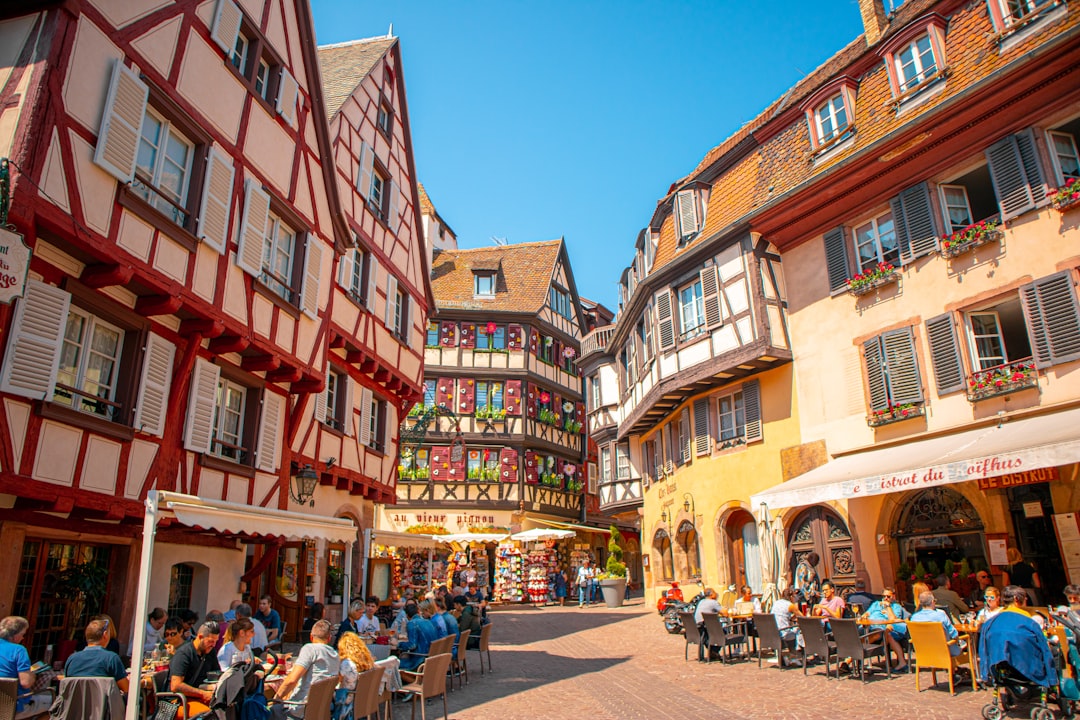
Lilla Torg is Malmö’s charming central square, with historic buildings, restaurants, and cafes. While The Bridge doesn’t shy away from showing less attractive aspects of Malmö, the city center remains genuinely appealing. Walking through Malmö’s center provides understanding of its character—it’s smaller and less cosmopolitan than Stockholm or Copenhagen, but it has genuine charm and character.
Wallander: Ystad and Crime Fiction
Henning Mankell’s Kurt Wallander series—featuring a Swedish detective in the coastal city of Ystad—predates and parallels The Bridge in many ways. The novels were first adapted as Swedish television films in the 1990s and then again in the 2000s British-Swedish production starring Kenneth Branagh as the anglicized Wallander. Both versions have been filmed in and around Ystad, making the small coastal city one of Scandinavia’s most important television locations.
Ystad: The Town and Its Character
Ystad is a genuine small Swedish coastal town with about 18,000 residents. It’s located in Skåne, on the southern coast of Sweden, about an hour’s drive west of Malmö. The town has preserved medieval character, with a well-maintained old town featuring historic buildings, narrow streets, and a relaxed pace far removed from Stockholm’s metropolitan intensity.
The show’s depiction of Ystad is affectionate while also showing the town’s economic struggles and the psychological damage that violent crime inflicts on a small community. The town becomes a character itself—beautiful but slightly melancholic, a place where major crimes occur despite (or perhaps because of) its small-town peace.
Key Ystad Locations
The Police Station: The Ystad Police Station, where Wallander works, is a real building that’s been used for exterior filming. While interior scenes may be filmed elsewhere, the actual police building gives the show authenticity.
The Town Center and Stortorget: Ystad’s central square and historic center appear in numerous episodes. The square is genuinely charming, with restaurants and cafes where tourists can sit and imagine Wallander passing through.
The Harbor: Ystad’s small harbor is picturesque and appears in various episodes. The town’s connection to the sea—fishing, maritime trade—is part of its character.
Wallander’s Apartment: The detective’s home is depicted in the novels and shows, adding intimate geography to the crime narrative.
Visiting for Wallander Fans
Ystad has embraced its Wallander tourism. The town offers walking tours related to the series, and various locations are marked or discussed in tourism materials. A Wallander center or museum provides information about the character and the filming.
For fans of the novels or the television adaptations, visiting Ystad provides genuine insight into the world Mankell created. The town’s actual character—beautiful but economically struggling, peaceful but occasionally touched by violence—matches Mankell’s depiction.
The Rain (Regnbågen/Regn)
The Rain is a Netflix original series created by Danish and Swedish producers, set partially in Sweden (though also in Denmark). The apocalyptic thriller depicts a near-future where a persistent rain is polluted and deadly, forcing survivors into a harsh new world.
While the show is more explicitly focused on post-apocalyptic survival than on specific place, the Swedish locations depicted (various parts of southern and central Sweden) provide landscape and atmosphere. The show uses real Swedish locations to establish its dystopian world—forests, rural areas, industrial sites, and coastal landscapes are all rendered sinister and dangerous.
The show demonstrates how Swedish landscapes can be depicted as beautiful or threatening depending on narrative context. The forests and isolated locations that tourists find beautiful become dangerous and claustrophobic in the show’s apocalyptic framing.
Southern Sweden’s Geography and Character
Skåne, the southernmost region of Sweden, has distinct character. It’s flatter than much of Sweden (which is typically quite mountainous), more agriculturally developed, and historically connected to Denmark (the region was part of Denmark until the 17th century). The region’s character reflects this history: slightly different dialect, slightly different cuisine, and a sense of being in transition between central Sweden and Denmark.
The climate in Skåne is milder than in northern Sweden, and the landscape is more pastoral. Historic manor houses, castles, and rural villages dot the region. For visitors exploring beyond Stockholm, Skåne offers genuine cultural and geographical distinctiveness.
The Malmö-Ystad Day Trip
An excellent itinerary involves spending time in both Malmö and Ystad, exploring the Skåne region:
Start in Malmö, exploring the city center, Västra Hamnen, and the waterfront. Take a meal at a local restaurant and understand the city’s character. If interested in The Bridge locations, visit the areas where the show was filmed.
Travel west from Malmö toward Ystad (about an hour’s drive, or accessible by train). Explore Ystad’s town center, walk the streets where Wallander walks, and sit in the harbor enjoying the coastal atmosphere.
If interested in medieval Swedish architecture and culture, visit nearby locations like Ales Stenar (mysterious standing stones on the coast) or historic manor houses and castles throughout the region.
Return to Malmö or travel onward to Copenhagen via the Øresund Bridge.
Skåne’s Literary and Historical Significance
Beyond television, Skåne has been significant in Swedish literature and history. The region’s history as part of Denmark creates unique cultural characteristics. Various historical sites throughout the region offer context for understanding Swedish history and culture.
Practical Information
Malmö is easily accessible from Copenhagen via the Øresund Bridge (frequent trains, about 35 minutes). Ystad is accessible from Malmö by train or car (about 1-1.5 hours). The region is well-developed with good public transportation, though having a car provides more flexibility for exploring smaller towns and rural areas.
Summer (June-August) is the ideal time to visit when weather is pleasant and days are long. Spring and autumn are also good, with milder temperatures than winter. Winter is cold and dark but offers the atmospheric conditions that noir television thrives on.
Accommodation is available in both Malmö and Ystad across all price ranges. Malmö has more extensive tourism infrastructure; Ystad is smaller and more intimate.
Conclusion
Southern Sweden, particularly Malmö and Ystad, has become iconic in television and international consciousness through multiple high-quality productions. The region is economically and geographically distinct from central Sweden and offers visitors genuine understanding of Swedish diversity. The television productions filmed in these locations don’t simply use southern Sweden as a setting—they engage seriously with the region’s character, history, and contemporary reality, making the locations integral to the narratives being told.
Visiting after watching these programs provides multiple layers of understanding: you see the actual places where fictional stories unfolded, you understand how television represents real locations, and you experience the genuine character of a region that’s genuinely worth exploring for its own merits.




Leave a Reply