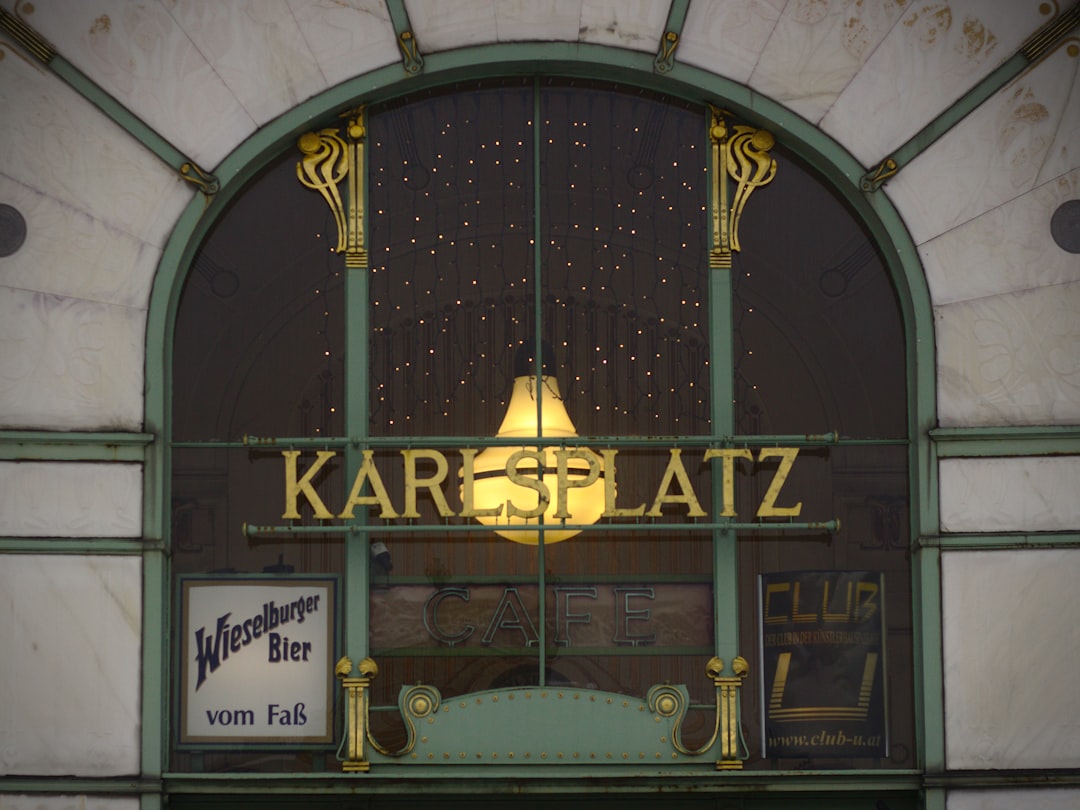
In 2011, UNESCO added Vienna’s coffee house culture to its list of intangible cultural heritage, recognizing what Viennese residents have known for over three centuries: the Kaffeehaus is not merely a place to drink coffee. It is a public living room, a democratic salon, a refuge for artists and thinkers, and a daily ritual so deeply embedded in the city’s identity that Vienna without its coffee houses would be like Paris without its boulevards — technically possible but spiritually unrecognizable.
A History Steeped in Legend
The origin story is almost certainly embellished, but it is too good not to tell. After the Ottoman siege of Vienna in 1683, the retreating Turkish army reportedly left behind sacks of coffee beans. A Polish-Ukrainian merchant named Jerzy Franciszek Kulczycki, who had served as a spy for the Austrians during the siege, recognized the beans and opened Vienna’s first coffee house. Whether or not the details are accurate, the city’s first documented coffee house — opened by an Armenian named Johannes Diodato — received its license in 1685. By the early eighteenth century, coffee houses had spread across the city like a delicious contagion.
The Art of Ordering Viennese Coffee
Do not walk into a Viennese Kaffeehaus and order “a coffee.” That is like walking into a Bordeaux château and asking for “some wine.” Viennese coffee comes in a dizzying array of preparations, each with its own name and ritual. The Melange is the city’s signature — similar to a cappuccino, it combines espresso with steamed milk and a crown of milk foam. The Kleiner Brauner is a small espresso with a dash of cream. The Großer Brauner is a double. The Einspänner — named after the single-horse carriages whose drivers needed one hand free for the reins — is a strong black coffee served in a glass with a lavish dollop of whipped cream on top, which acts as an insulating lid. The Fiaker adds a shot of rum or kirsch. The Kaisermelange, the emperor’s blend, stirs an egg yolk and honey into the coffee, creating something closer to a warm custard drink.
Every coffee arrives on a small silver tray alongside a glass of water — always. The water is not an afterthought; it is a palate cleanser, refreshed without being asked. This small gesture encapsulates the Kaffeehaus philosophy: you are not being served a product, you are being given an experience.
The Famous Cafés
Café Central, on Herrengasse, is perhaps the most storied. Opened in 1876 in the Palais Ferstel, it became the intellectual nerve center of fin-de-siècle Vienna. Sigmund Freud was a regular. Leon Trotsky played chess here during his years of exile. The poet Peter Altenberg made it his de facto office and mailing address. Today, it is undeniably touristy, but the vaulted ceilings, marble columns, and impeccable pastries earn their reputation.
Demel, the former imperial confectioner, sits on Kohlmarkt and specializes in jaw-dropping pastries and the kind of Old World formality where waitresses still address you in the third person. Café Hawelka, by contrast, is the bohemian counterpoint — small, smoky in memory if no longer in practice, and beloved by artists and writers since its founding in 1939. The late-night Buchteln (warm, jam-filled yeast dumplings) are legendary. Café Sperl, with its billiard tables and worn velvet banquettes, feels frozen in a perfect moment somewhere around 1910.
The Newspaper and the Hours
A defining feature of the Viennese Kaffeehaus is the newspaper rack — a wooden stand holding local and international papers on bamboo holders. The tradition of reading newspapers over coffee is sacrosanct. You are expected to linger. Ordering a single Melange and staying for three hours with a newspaper is not only acceptable, it is the entire point. No waiter will rush you. No check will appear unbidden. The Kaffeehaus is a place where time is purchased with the price of a coffee, and the return on that investment is entirely up to you.
The Sachertorte Question
No discussion of Viennese café culture is complete without mentioning the Sachertorte — a dense chocolate cake with a layer of apricot jam, glazed in dark chocolate. The Hotel Sacher and Demel have feuded for decades over which has the right to call theirs the “Original.” The Sacher version places the jam under the glaze; Demel puts it inside the cake. Both are excellent. Both cost about seven euros a slice. And both must be accompanied by unsweetened whipped cream, or Schlagobers, because the Viennese understand that sweetness requires balance.
Vienna’s café culture endures not because of nostalgia but because it answers a need that modern life has not managed to fill elsewhere — the need for a third place between home and work, where solitude and society coexist, where a cup of coffee is an invitation to slow down, and where the only thing expected of you is that you be present. In a world addicted to efficiency, the Viennese Kaffeehaus remains a monument to the radical act of taking your time.




Leave a Reply