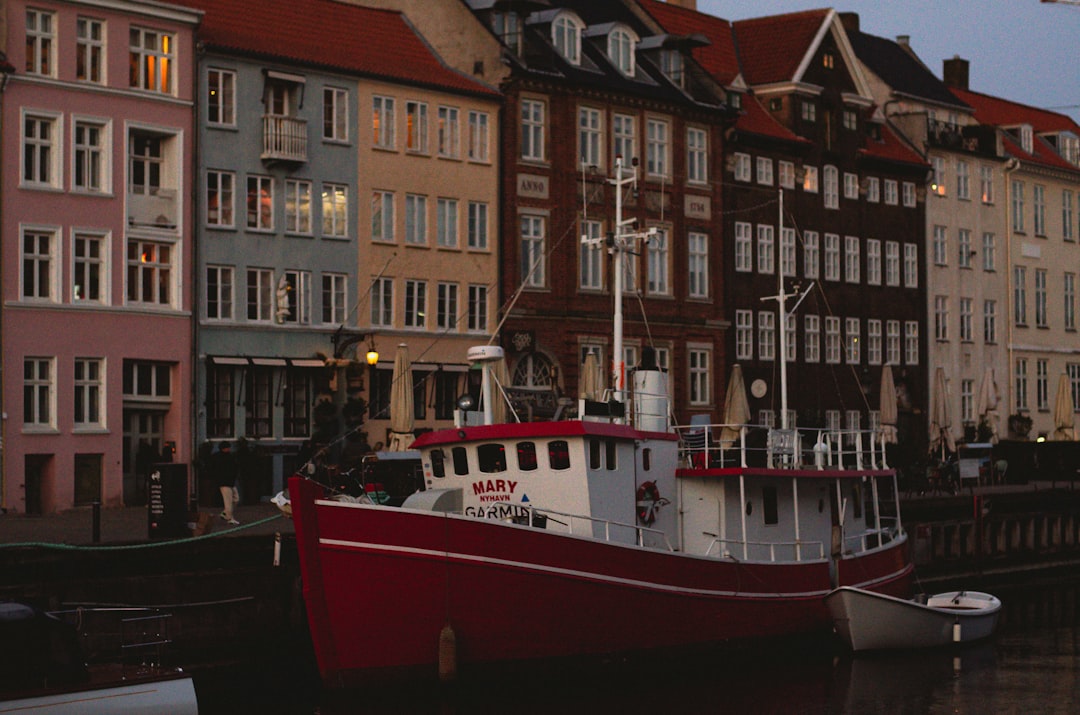
Introduction: Why Americans Are Moving to Denmark
Denmark consistently ranks as one of the world’s happiest countries, and increasingly, Americans are taking notice. The World Happiness Report has ranked Denmark in the top three for over a decade, and it’s not just the happiness rankings that appeal to newcomers—it’s the tangible lifestyle that creates that happiness.
Unlike many international moves driven by romanticized notions, moving to Denmark is a practical choice for Americans seeking better work-life balance, exceptional healthcare, accessible public infrastructure, and a high quality of life. However, it requires realistic expectations and thorough preparation.
What Makes Denmark Different: The Danish Model
Hygge: More Than a Concept
Hygge (pronounced “HOO-gah”) is the most misunderstood aspect of Danish culture by outsiders. It’s not simply “cozy”—that translation fails to capture the meaning. Hygge represents a deliberate pursuit of warmth, comfort, and togetherness. It’s lighting candles during dark winter evenings, gathering friends for dinner, taking time away from work email, and prioritizing presence over productivity.
For Americans accustomed to hustle culture, hygge represents a radically different value system. It’s the cultural foundation for Danish work-life balance and the reason many of the world’s happiest people choose to live here.
The Social Safety Net
Denmark’s social safety net is famously comprehensive. Universal healthcare, subsidized childcare, generous parental leave (up to 52 weeks shared between parents), and unemployment benefits create security that few Americans experience. This safety net directly contributes to the low stress and high life satisfaction reported by Danish residents.
However, this comes with trade-offs. The highest income tax rate is 55.9%, and combined with VAT (25%) and other taxes, Denmark’s tax burden is among the world’s highest. The equation “you pay more but you get more” fundamentally shapes Danish life.
What Americans Get Wrong About Denmark
“It’s Just Like Sweden or Norway”
Denmark is distinctly different from its Nordic neighbors. While all three are wealthy, progressive nations, Denmark is:
- Significantly cheaper than Norway (no oil wealth funding)
- More economically liberal than Sweden
- Less mountainous and more urban
- More culturally informal than Sweden despite reputation for reserve
- More geographically accessible to continental Europe
“The Weather Is Always Dark”
Yes, Danish winters are dark. December has about 7 hours of daylight. But most expats find this manageable with proper preparation—strategic light therapy, embracing hygge culture, and winter activities like ice skating and skiing day trips.
Conversely, June has nearly 17 hours of daylight with the famous “summer energy” that visitors experience.
“It’s Prohibitively Expensive”
Denmark is expensive, but not for reasons Americans often assume. Rent in Copenhagen rivals major US cities, but:
A single person can live comfortably on 15,000-18,000 DKK monthly (approximately $2,000-2,400 USD) outside Copenhagen, and 18,000-22,000 DKK in Copenhagen.
Janteloven: The “Tall Poppy” Syndrome
Janteloven (the Law of Jante) is an unwritten cultural code that discourages individual boasting or standing out. Rules like “You’re not to think you’re better than us” or “You’re not to think you know more than us” permeate social interactions.
For Americans accustomed to celebrating individual achievement, this feels restrictive initially. Understanding that Janteloven exists to promote equality rather than suppress ambition helps contextualize Danish social interactions.
The CPR Number: Your Most Important Document
The CPR (Central Personregister) number is a unique 10-digit identifier assigned to all residents. You cannot rent housing, get a job, open a bank account, or access healthcare without one. Obtaining a CPR number typically requires:
- A residence permit (visa approval)
- Evidence of housing (lease contract or letter from employer)
- Registration at your local municipality (kommune)
Processing usually takes 2-4 weeks after arriving in Denmark. This is among the first tasks to complete upon arrival.
The Step-by-Step Path to Relocating
Phase 1: Determine Your Visa Category (3-6 months before move)
Research and apply for the appropriate visa category:
See Article 02 for detailed visa information.
Phase 2: Job Search or Business Planning (3-6 months before move)
For work permits, begin job searching immediately. Major Danish job sites include:
Many multinational companies in Copenhagen hire English speakers. Sectors with English-speaking opportunities include tech, pharmaceuticals, finance, education, and international organizations.
Phase 3: Secure Housing (2-3 months before move)
Housing searches typically happen online. Start browsing immediately:
Be prepared for competition. Good apartments in desirable areas receive 20-50 applications within hours of listing. See Article 05 for detailed housing guidance.
Phase 4: Apply for Visa (2-3 months before move)
Submit your visa application to the Danish Immigration Service (Udlændingestyrelsen) or your nearest Danish embassy. Processing times vary:
Application timing is critical. Apply no earlier than necessary but far enough in advance.
Phase 5: Arrange Logistics (4-8 weeks before move)
Phase 6: Arrive and Register (First 2-4 weeks)
Immediately upon arrival:
Timeline: Realistic Expectations
A typical American relocation to Denmark takes 6-9 months from initial decision to settled life:
Attempting to relocate faster typically results in rushed decisions and avoidable complications.
Financial Preparation
Budget for relocation expenses:
| Item | Estimated Cost |
|——|—|
| International move or shipping | $3,000-8,000 |
| Visa application and fees | $100-500 |
| Initial rent deposit (3 months) | $1,800-4,500 |
| Health insurance (3 months transition) | $600-900 |
| Household setup | $1,000-2,500 |
| Living expenses (2 months buffer) | $4,000-5,000 |
| Total | $10,500-21,400 |
Additionally, ensure liquid savings of 6 months living expenses ($12,000-18,000) before relocating. Danish banks are conservative and rarely extend credit to recent arrivals.
Initial Culture Shock Realities
What Feels Easy
What Feels Hard
Most expats experience peak culture shock at 3-6 months (after initial novelty wears off) rather than immediately upon arrival. Expect this and prepare mentally.
The First 12 Months: Key Milestones
Month 1: Registration, bureaucratic setup, neighborhood exploration
Months 2-3: Job settling in, housing adjustment, language classes beginning
Months 3-6: Social circle expansion, culture shock management, seasonal adjustment
Months 6-9: Increased confidence, social integration starting, language improvement
Months 9-12: Establishment of routine, deeper friendships, genuine comfort
Is Denmark Right for You?
Denmark is ideal if you:
Denmark may be challenging if you:
Final Thoughts
Moving to Denmark as an American is entirely achievable and rewarding, but it requires intentional preparation, realistic expectations, and genuine interest in Danish culture rather than escape from American life. The happiest expats are those who came to participate in Danish society, not those who came to recreate American life in Scandinavia.
If you approach the move with patience, cultural humility, and commitment to integration, Denmark offers exactly what its residents value: stability, quality of life, and the freedom to live at a human pace.
—
Next Steps: Read Article 02 (Visa Options) to determine your legal pathway, then Article 05 (Housing) to begin your search.




Leave a Reply