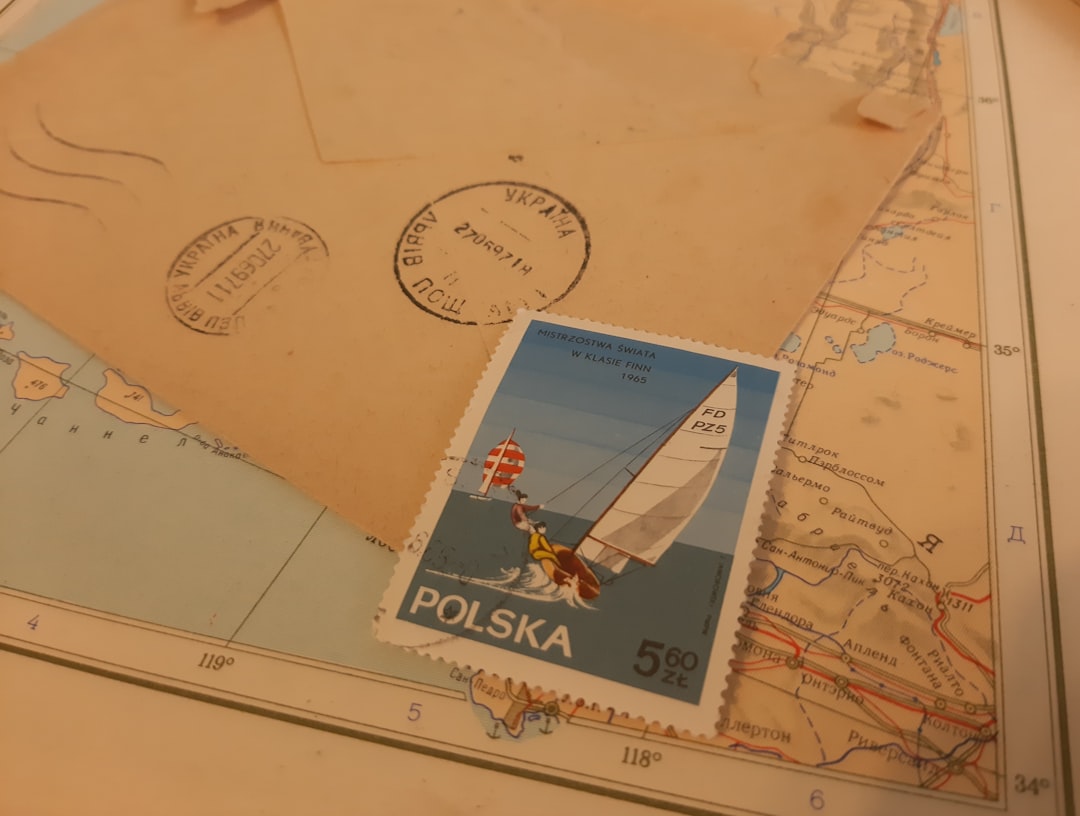
Why Poland? Understanding Your Destination
Poland might not be the first European country that comes to mind when you think about relocating abroad, but it should be. Nestled at the crossroads of Western and Eastern Europe, Poland has undergone a remarkable transformation over the past three decades. Today, it’s one of Europe’s fastest-growing economies, a vibrant member of the EU and NATO, and a country that offers American expats an incredible combination of affordability, culture, opportunity, and quality of life.
With a population of 38 million and five major cities each offering distinct character and advantages, Poland presents options whether you’re seeking a bustling metropolis, a historic cultural hub, or a smaller town with authentic Eastern European charm. Warsaw pulses with modern energy and international business. Kraków combines medieval architecture with artistic vitality. Wrocław offers academic excellence and youthful energy. Gdańsk sits on the Baltic coast with maritime heritage. Poznań boasts historical significance and rapid development.
What surprises many Americans is how modern Poland actually is. This isn’t a country stuck in the past—it’s one of Europe’s success stories, with infrastructure, technology, and living standards that rival Western Europe, all at a fraction of the cost.
The Polish-American Connection
Before diving into logistics, understand that Americans arriving in Poland are joining a community with deep historical roots. Polish-Americans make up one of the largest ethnic groups in the United States, and that heritage runs both directions. Poland has a genuine affinity for America and American culture. You’ll notice better English proficiency in Poland than in many Western European countries, particularly among younger people and in cities. Polish history includes significant American influence, and there’s a tangible appreciation for American business practices and entrepreneurship.
The Essential Polish Numbers: PESEL and Beyond
You’ll encounter “PESEL” immediately upon arrival—the Personal Identification Number (Powszechny Elektroniczny System Ewidencji Ludności). This 11-digit number is your key to functioning in Poland. It’s assigned based on your date of birth and cannot be changed. Every foreigner who stays longer than three months must obtain a PESEL number.
Related to your PESEL is zameldowanie—the registration of your residence. This isn’t optional bureaucratic theater; it’s a legal requirement. When you find an apartment, your landlord must register you with local authorities within three days. This registration appears in your PESEL record and is necessary for opening bank accounts, getting health insurance, and countless administrative tasks.
Your Timeline: From Decision to Landing
Months 4-3 Before Moving:
- Research visa requirements (see detailed article on visa options)
- Begin learning Polish (even basics help tremendously)
- Secure employment or freelance clients if required
- Research neighborhoods and housing options online
- Connect with Polish expat communities online for current insights
Month 2 Before Moving:
Month 1 Before Moving:
Upon Arrival:
Housing: Finding Your First Place
Don’t try to secure permanent housing sight unseen. Even experienced expats recommend a 1-3 month short-term rental first. Use this time to explore neighborhoods, understand your preferred district, and make informed decisions about a longer-term lease.
Major rental platforms include Otodom.pl, OLX.pl, and Gumtree.pl. Warsaw apartments typically rent for $600-1,200 monthly for a one-bedroom in central areas, significantly less in outer districts. Kraków, Wrocław, and Gdańsk run 20-40% cheaper. Always meet landlords in person, verify property conditions with photos and video, and understand that furnished apartments (meblowane) are standard for short-term leases.
The Visa Reality Check
Here’s what surprises many Americans: if you have even one Polish great-grandparent, you may qualify for a Karta Polaka (Polish Card), which grants numerous benefits including visa-free residence in Poland. Even without this ancestry benefit, American citizens enjoy 90 days visa-free under the Schengen Agreement—the same as EU citizens.
For stays beyond 90 days, options exist for those with employment (Work Permit), business registration (Self-Employment Permit), or family connections (Family Reunification Visa). See the dedicated visa article for complete details.
Banking and Money: Making Your Dollars Work
American dollars in Poland enjoy favorable purchasing power. However, use Wise (formerly TransferWise) or similar services rather than traditional banks for currency conversion—you’ll save 2-4% on exchange rates compared to bank rates, which can amount to hundreds monthly.
Popular Polish banks for expats include mBank (very English-friendly and online-focused), ING Bank Śląski, Santander, and PKO BP. You’ll need:
Polish banks are robust and secure—your money is protected by EU banking regulations.
What Americans Get Wrong About Poland
“It’s backwards and underdeveloped.” Poland’s GDP per capita is approaching $18,000, higher than some Southern European countries. Infrastructure is modern. Internet speeds are among Europe’s fastest. Technology adoption is excellent.
“Everyone speaks Russian.” Most Poles under 40 speak English as a second language and virtually no one wants to speak Russian—not for historical reasons, but because English is the international business language. Polish is the native language.
“It’s unsafe.” Poland is significantly safer than major American cities. Violent crime is exceptionally rare. Property crime exists but is on par with most Western European countries. Women travel alone routinely and safely.
“The weather is unbearable.” Winters are cold and dark (reaching -10°C or 14°F in January), but not Arctic. Most days are manageable without extreme conditions. Summers are beautiful.
“There’s nothing to do.” Poland has world-class museums, theater, nightlife, sports, outdoor activities, and cultural events. Warsaw alone offers what most American cities do.
The First 30 Days Checklist
Week One:
Week Two:
Week Three:
Week Four:
Cost Framework: Monthly Budget
A comfortable life in Poland for an American costs significantly less than comparable living in the US:
Total realistic monthly budget: $1,000-1,500 for a comfortable life in Warsaw; $800-1,200 in smaller cities.
For context, a comparable lifestyle in a major US city would cost $2,500-3,500 monthly.
Your Integration Timeline: Realistic Expectations
Month 1: Everything feels foreign and exciting. You’re in “honeymoon mode.” You navigate basics and feel accomplished at small wins.
Months 2-4: Reality sets in. The visa process takes longer than expected. Finding good friends requires effort. Polish bureaucracy feels designed to confuse. You might experience “culture shock” as charm wears off.
Months 5-8: You’ve established routines. You have favorite restaurants. You recognize regular commuters. Your Polish improves noticeably. You begin feeling less like a tourist and more like a resident.
Year 2 and Beyond: Poland feels like home. You understand cultural nuances. You have genuine Polish friendships. You might face the question of “what’s next”—will this be temporary or permanent?
Key Resources and Websites
Final Thoughts: Why Americans Choose Poland
Americans who choose Poland do so for varied reasons: the cost of living that stretches their resources, the vibrant cultural scene, the business opportunities in Europe’s emerging economy, the proximity to the rest of Europe for travel, or simply the adventure of starting fresh in a place that few of their friends have experienced.
What they discover is more than a practical relocation—it’s a place where history permeates daily life, where personal connections matter deeply, where community still means something, and where your American background comes with surprising cultural capital. Poland offers European sophistication at a cost that makes long-term living possible, not just tourism.
The logistics of moving are straightforward once you understand the system. The real adventure—and the real reward—is building a life in a place that’s becoming increasingly cosmopolitan while maintaining authentic character.
Welcome to Poland.




Leave a Reply