Introduction
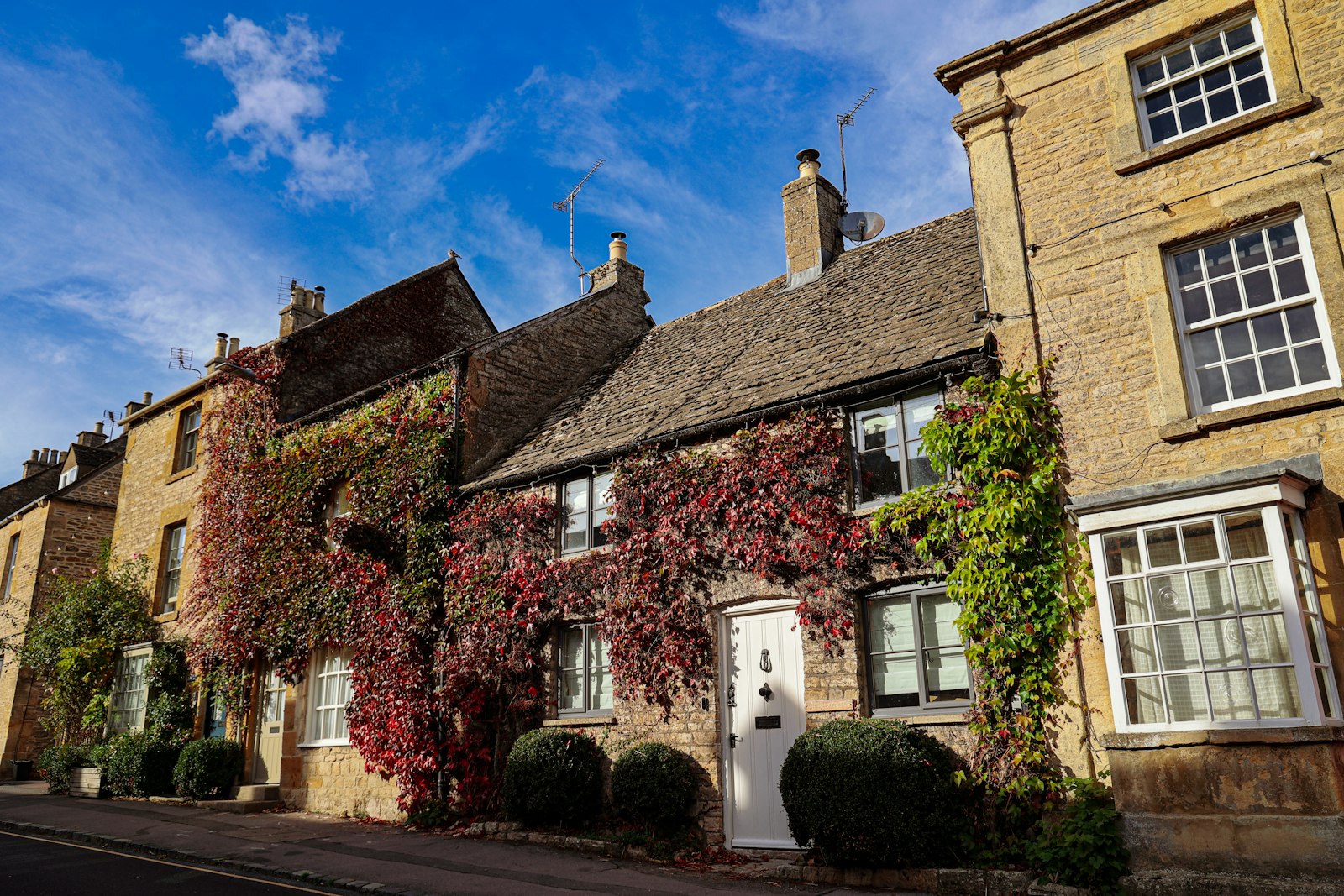
The Cotswolds represent an idealized vision of the English countryside. Rolling hills covered in grazing sheep, honey-colored stone cottages with thatched roofs, manicured gardens, and quintessential village greens create a landscape that feels both timeless and postcard-perfect.
For Americans, the Cotswolds embody the “English countryside” aesthetic they’ve imagined. The region spans five counties in west-central England (primarily Gloucestershire and Oxfordshire) and contains some of England’s most charming villages. A visit here is essential for understanding English village life and heritage.
This guide covers the major villages, the spectacular Cotswold Way walking trail, practical logistics, and how to experience authentic Cotswold life without getting lost in tourist traps.
Geography & Main Villages
The Cotswolds cover roughly 800 square miles. Major villages include:
Bourton-on-the-Water: The most picturesque village, with a shallow stream running down the main street where ducks swim.
Stow-on-the-Wold: The highest town in the Cotswolds, with a large market square and ancient inn buildings. Less water-focused than Bourton, more atmospheric.
Bibury: Famous for Arlington Row, a photogenic sequence of weavers’ cottages reflected in a trout stream. Often called England’s most beautiful village.
Castle Combe: A compact medieval village with a movie-set quality (it’s been used as a filming location).
Chipping Campden: An upscale village with galleries, antique shops, and excellent restaurants. Less touristy than Bourton.
Broadway: A long village with an upscale high street, surrounded by excellent walking terrain.
Burford: A classic Cotswold market town with Georgian buildings and good restaurants.
Cirencester: The largest town in the Cotswolds, with Roman history (it was a major Roman city) and an excellent museum.
Visiting the Villages
Bourton-on-the-Water
Bourton is overwhelmingly popular with tourists, especially day-trippers from London. It’s undeniably beautiful—the wide High Street with its shallow stream creates a postcard-perfect scene, and the triple-arched stone bridge is iconic.
What to Do:
- Walk through the stream (it’s only a few inches deep)
- Visit the Cotswold Motoring Museum
- Browse antique shops and gift stores
- Dine at one of the waterside pubs or restaurants
Accommodations: Hotels and B&Bs range £70-140 per night. Summer booking is essential. Many visitors stay here and day-trip to other villages.
Caveat: Bourton’s popularity can feel overwhelming during peak hours (10 AM-4 PM in summer). Visit early morning or late afternoon to experience its charm without crowds.
Stow-on-the-Wold
Stow sits at a high elevation, giving it a breezy, open feel. The town revolves around its large, sloping market square lined with historic inns and stone buildings. It’s more atmospheric and less water-focused than Bourton.
What to Do:
Accommodations: Hotels and inns from £80-150+ per night. The Kings Head Hotel and other period inns provide authentic experience.
Walking: Stow is excellent for walking, with numerous trails radiating into the surrounding countryside.
Bibury
Bibury is smaller and quainter than Bourton or Stow. Arlington Row (a sequence of weavers’ cottages from the 17th century) is the main attraction—it’s genuinely one of England’s most beautiful sights, particularly reflected in the adjacent trout stream.
What to Do:
Caveat: Bibury is small and can feel touristy. Day-tripping is often better than staying overnight unless you book a cottage. Limited accommodation options.
Castle Combe
Castle Combe is an exceptionally pretty village centered around a car-free high street lined with honey-colored stone cottages. The setting has been used for filming “Dr. Dolittle” and “Lara Croft” movies.
What to Do:
Caveat: The village center is car-free, which preserves its charm but means on-street parking fills quickly. Alternative parking is available outside the village center.
Chipping Campden
Chipping Campden has a different character than the other villages—it’s upscale, sophisticated, and oriented toward antiques, galleries, and fine dining. It’s the most “grown-up” village in the Cotswolds.
What to Do:
Accommodations: Hotels and B&Bs from £80-160+ per night. Several upscale properties available.
Caveat: Chipping Campden is pricier than other villages and less family-oriented.
Broadway
Broadway is the longest village in the Cotswolds, with a wide high street lined with shops, galleries, restaurants, and hotels. It’s sophisticated but less overtly touristy than Bourton.
What to Do:
Accommodations: Good selection of hotels and B&Bs, £70-150 per night.
Caveat: Broadway can feel somewhat commercialized, though it retains charm.
Burford
Burford is a classic market town (rather than village) with a steep high street lined with Georgian buildings. It’s prosperous-looking and has good restaurants and antique shops.
What to Do:
Accommodations: Hotels and B&Bs available, £60-130 per night.
Cirencester
The largest town in the Cotswolds, Cirencester was a major Roman city (Corinium). It has significant history, a museum, and contemporary amenities while retaining Cotswold charm.
What to Do:
Accommodations: Hotels and B&Bs from £60-130 per night. More affordable than smaller villages.
The Cotswold Way
The Cotswold Way is a 102-mile walking trail stretching from Chipping Campden in the north to Bath in the south. It’s one of England’s most scenic trails.
Full Trail
Walking the entire trail takes 7-10 days. It’s well-marked and passes through or near many of the villages mentioned above. Most people do sections rather than the entire trail.
Popular Sections
Chipping Campden to Stow-on-the-Wold: About 9.5 miles, a good introduction to the trail with village stops.
Stow to Bourton-on-the-Water: About 4 miles, mostly flat, scenic farmland.
Bourton to Winchcombe: About 10 miles, rolling hills and excellent views.
How to Walk It
You don’t need special equipment—comfortable hiking boots and weather gear suffice. Many people use luggage forwarding services that move bags from accommodation to accommodation, so you only carry day supplies.
Accommodation: B&Bs and hotels are plentiful along the trail. Book ahead, especially in summer.
Guides: The Cotswold Way Handbook is available locally and online.
Activities & Experiences
Afternoon Tea
Afternoon tea is a cherished tradition in the Cotswolds. This is the fancy version—scones, clotted cream, jam, tea sandwiches, cakes, and proper tea service.
Where: The Swan Hotel in Bibury, various hotels throughout the Cotswolds.
Cost: £20-40 per person.
Timing: Usually served 3-5 PM.
Farmers Markets
Most villages have weekly farmers markets featuring local produce, cheeses, honey, baked goods, and crafts.
Pubs & Restaurants
The Cotswolds have excellent dining ranging from gastropubs serving elevated pub food to upscale restaurants. Many villages have been “discovered” by London chefs opening country restaurants.
Budget: Casual pubs £10-20 per meal, nicer restaurants £25-50+ per person.
Shopping
Antique shops are everywhere—the Cotswolds are a major antiques destination for British collectors. Gift shops selling Cotswolds-themed items are ubiquitous. Independent boutiques are common in larger villages like Chipping Campden and Broadway.
When to Visit
Spring (April-May): Wildflowers bloom, weather improves, and crowds are manageable. Lovely time.
Summer (June-August): Peak season. Villages are crowded, accommodation books up early, prices are highest. Days are long and weather is best. If visiting in summer, stay in smaller villages or visit weekdays.
Autumn (September-October): Excellent weather, fewer tourists, pleasant light for photography. Good hiking season.
Winter (November-February): Quiet, atmospheric, but some attractions close and weather is grey. Charming if you enjoy solitude.
Getting There & Around
From London
By Train: London Paddington to Moreton-in-Marsh (fastest) or Kingham, then local bus or taxi to villages. Journey is 1.5-2 hours.
By Car: A44/A46 from London, 2-3 hours depending on village. Having a car is very convenient in the Cotswolds.
By Coach: National Express offers coach services, though slower than train.
Between Villages
Car Rental: Recommended. Roads are scenic and well-maintained. Parking in villages can be tight in summer. Drive on the left; speeds are typically 30 mph in villages, 60 mph on country roads.
Buses: Local bus services connect villages, but service is limited. Plan accordingly.
Taxis: Available in larger villages but expensive.
Walking: Many villages are within walking distance of each other (3-6 miles). Walking between villages is wonderfully scenic.
Accommodation Styles
Hotels & Inns
Period stone hotels with character, ranging from £70-200+ per night. Many are converted historic buildings.
Bed & Breakfasts
The classic English B&B—a room in someone’s home with breakfast included. £60-120 per night. Very authentic.
Holiday Cottages
Self-catering stone cottages, perfect for groups or families. £100-250+ per night depending on size and season.
Luxury Properties
Country house hotels and manor house conversions for those seeking indulgence. £150-400+ per night.
Food & Dining
Breakfast: The full English breakfast is available everywhere—eggs, bacon, sausage, beans, toast, mushrooms.
Lunch: Pub food, sandwiches, or light meals in tearooms.
Dinner: Traditional British cuisine (roasts, pies, fresh fish) or international options. Many upscale restaurants serve contemporary British cuisine highlighting local ingredients.
Afternoon Tea: A ritualized experience with tea, scones, sandwiches, and cakes.
Local Specialties: Gloucester Old Spot pork, Double Gloucester cheese, honey.
Practical Information
Money
Card payment is standard everywhere. Expect £60-150+ per night for accommodation, £10-25 for casual meals, £25-50+ for nicer restaurants.
Weather Gear
The Cotswolds can be wet and windy, even in summer. Bring rain gear and layers.
Crowds
Peak crowds occur July-August, Easter holidays, and weekends. Quieter midweek. Early morning visits to famous villages help avoid peak times.
Final Thoughts
The Cotswolds offer an accessible version of idealized English countryside life. The villages are genuine, not fabricated for tourists (though some have been thoroughly discovered). The landscape is beautiful, the food is good, and the pace of life is refreshingly slow.
Most visitors spend 3-7 days in the Cotswolds, staying in one base village and day-tripping to others, or doing the Cotswold Way walk. Either approach provides a deeply rewarding experience of English heritage and landscape.
The Cotswolds justify the reputation. They are indeed as beautiful as they appear in photographs.




Leave a Reply