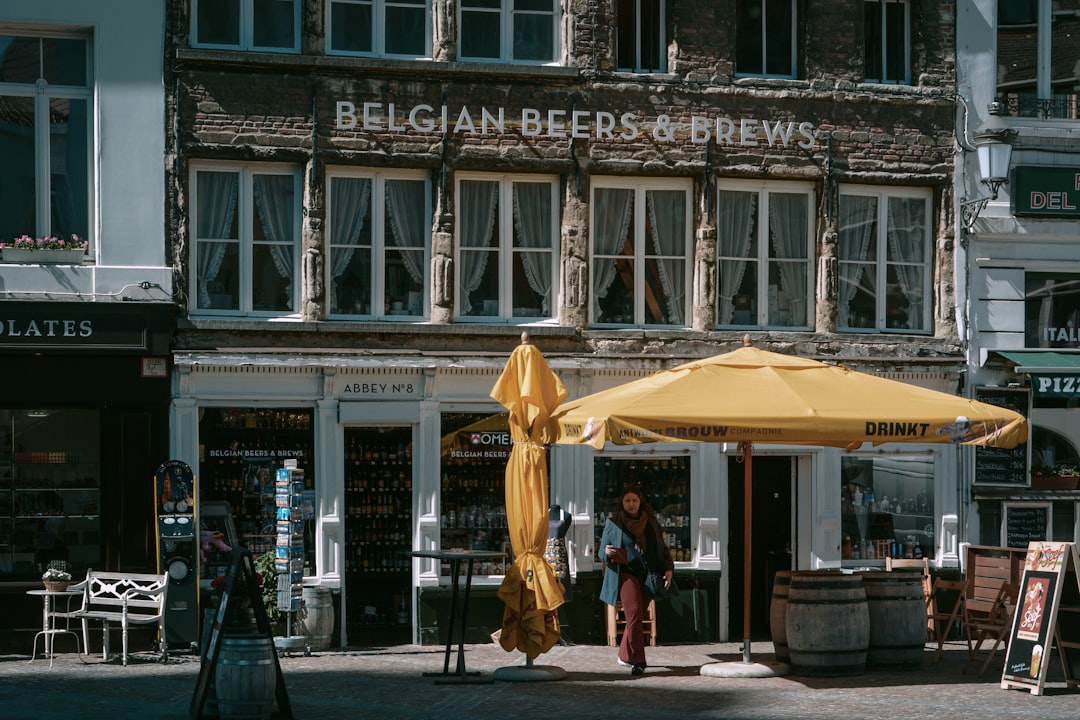
Something remarkable has happened to European beer in the last fifteen years. A continent that once divided neatly into lager countries (Germany, Czech Republic) and ale countries (Britain, Belgium) has been overrun by a wave of craft breweries producing everything from New England IPAs to barrel-aged imperial stouts. The craft beer revolution, which began in America in the 1980s, has crossed the Atlantic and made itself spectacularly at home.
Belgium: The Original Craft Beer Country
Belgium has been making “craft” beer since before the word existed. Trappist monasteries like Westvleteren, Chimay, and Orval have been brewing small-batch, complex ales for centuries. What’s new is that Belgian brewers are now incorporating international influences — American hop varieties, Scandinavian techniques, wild fermentation experiments — while young brewers outside the monastic tradition are opening innovative operations. Brussels’ Brasserie de la Senne makes crisp, hoppy beers that pair beautifully with the city’s frites, while Cantillon, the legendary lambic brewery, remains the gold standard for spontaneously fermented sour beers. The sheer density of great beer in Belgium means you can walk into almost any cafe and find something world-class on tap.
Czech Republic: Tradition Meets Innovation
The Czech Republic drinks more beer per capita than any country on earth, and Czech pilsner — the original lager — remains one of the world’s perfect beers. But a new generation of Czech brewers is pushing boundaries. Matuska, Clock, and Zichovec are producing hop-forward ales, pastry stouts, and sour beers that would be at home in any Brooklyn taproom. In Prague, craft beer bars like BeerGeek and Zly Casy offer rotating taps featuring the best of Czech and international craft. The beautiful thing about Czech craft beer is the price: a half-liter of an exceptional local IPA costs what a mediocre pint costs in London. Prague remains the best-value beer city in Europe.
Scandinavia: Where Craft Gets Extreme
The Scandinavian craft beer scene punches absurdly above its weight. Denmark’s Mikkeller, started by a homebrewing schoolteacher, became a global brand producing hundreds of one-off collaborations. Norway’s Lervig and Sweden’s Omnipollo push boundaries with dessert-inspired stouts and smoothie sours that polarize purists. The irony is that Scandinavian countries have some of Europe’s strictest alcohol regulations and highest taxes, which means a craft beer in an Oslo bar can cost eight to twelve euros. Yet the quality and creativity are undeniable, and brewery taprooms — where prices are slightly more reasonable — have become essential social spaces in cities like Copenhagen, Stockholm, and Tromso.
Italy: From Wine Country to Beer Country
Italy’s craft beer boom is perhaps the most surprising of all. In a country defined by wine, a generation of brewers has created one of Europe’s most dynamic beer scenes. Birrificio Italiano, founded in 1996, is often credited as a pioneer, and its Tipopils is considered one of the best pilsners made outside of the Czech Republic. Birra del Borgo, Baladin, and CR/AK produce beers that reflect Italian creativity — chestnut ales, grape-infused harvest beers, and barrel-aged experiments using wine casks. Rome’s Trastevere neighborhood and Turin’s San Salvario district are packed with craft beer bars, and the marriage of Italian food culture with craft beer has produced pairing menus that rival anything in wine country.
Best Craft Beer Bars by City
- London: The Kernel Brewery (Bermondsey), BrewDog Waterloo, Craft Beer Co. Clerkenwell
- Berlin: Vagabund Brauerei, Protokoll, BRLO Brwhouse
- Barcelona: BierCaB, La Cervecita Nuestra de Cada Dia
- Amsterdam: Brouwerij ‘t IJ (in a windmill), Craft & Draft
- Lisbon: Cerveteca Lisboa, Dois Corvos taproom
- Warsaw: Kufle i Kapsle, Jabeerwocky
Brewery Tour Tips
Most European craft breweries welcome visitors, but calling ahead or booking online is usually necessary. Saturdays are the most common taproom day. Bring a growler or crowler if you want to take fresh beer home. Many breweries are in industrial zones outside city centers, so check transport options. And always ask the brewer what they’re most excited about — the experimental batch that isn’t on the public menu is often the most interesting pour of the day.
The European craft beer revolution isn’t replacing tradition — it’s building on it. Czech pilsner, Belgian Trappist ales, German wheat beers, and British bitters aren’t going anywhere. But alongside them, a new generation of brewers is proving that Europe’s beer culture is as diverse, creative, and thrilling as it’s ever been.




Leave a Reply