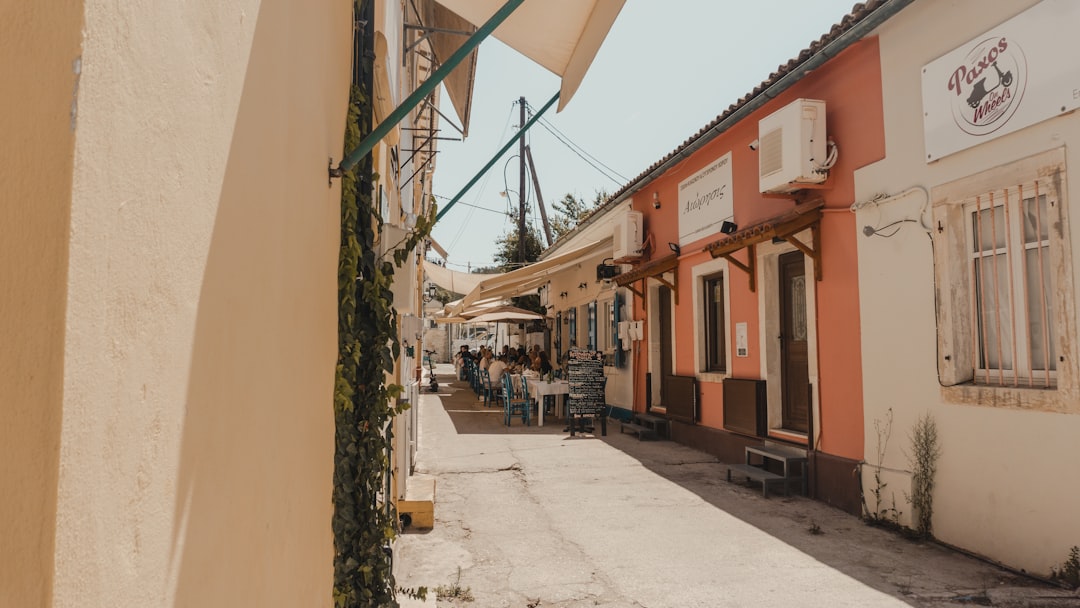
There’s a specific moment that defines the Greek taverna experience: it’s when you realize you’ve been sitting at a table for three hours, the sun has set, you’re on your third carafe of wine, and you’re still eating—not because you’re hungry, but because the experience of eating together matters more than the food itself. You’ve stopped watching your watch. The table next to you has become your friends. The owner has learned your name. This is the taverna. It’s not a restaurant. It’s a social institution that happens to serve food.
The Taverna Versus Everywhere Else You’ve Ever Eaten
A restaurant serves food. A taverna is a place where life happens to include food. This distinction isn’t semantic; it’s fundamental to understanding why eating at a taverna feels different from eating at a restaurant, even when the food is similar and the prices are comparable.
A taverna is usually family-owned, often operating for decades in the same location. The owner might be a third-generation taverna keeper. The recipes are not from culinary school; they’re from home cooking, from the owner’s mother and grandmother. The atmosphere isn’t designed; it’s accumulated. That plastic tablecloth? It’s not retro-chic; it’s practical—easy to wipe down. The mismatched chairs? They’re collected over years. The slightly chaotic kitchen you can see from your table? That’s not a design choice; that’s how a real kitchen works.
A taverna serves locals and tourists alike, usually in about equal measure. The menu is whatever the cook feels like making that day, with perhaps six to twelve main options. The wine comes in bulk from a local producer, poured into carafes. The beer is cold. The coffee comes after the meal, not before, and it’s strong enough to wake the dead.
The Kitchen Peek and Point Method
Here’s the moment that separates people who have been to a taverna from people who have been to a Greek taverna: the moment you go to the kitchen and look at what’s cooking.
In many traditional tavernas, there are no printed menus, or they exist as suggestions that nobody uses. Instead, you’re invited—or expected—to walk into the kitchen and see what’s available. This isn’t some quaint tourist activity. It’s how Greeks eat at tavernas. You walk in, peer into the various pots and pans, and point at what looks good. The cook will tell you what something is. You might ask about preparations. And then you order by pointing: “That. And that. And a little bit of that.”
This system is perfect because it eliminates a huge problem with menus: someone says “grilled fish” but you have no idea what fish, how it’s prepared, or whether it’s what you want. By looking, you know. And the taverna owner loves this system because it means you’re ordering things that look good and appealing, which means you’ll enjoy them, which means you’ll be happy, which means you’ll come back and tell people about it.
For the anxious traveler, this can feel intimidating. What if you don’t know the name of something? That’s fine. You can point and say “ti einai afto?” (what is that?). You can ask how it’s made. You can ask if it’s spicy. Greeks will happily explain. They want you to order something you’ll like.
Pro tip: look for the food that’s been sitting there longest—that’s the house special, the thing they make constantly because people love it. That’s your answer.
The Mezze Philosophy: Quantity and Variety
The Greek taverna operates on a completely different ordering logic than what you might be used to. You don’t order “a main course.” You order several small plates meant for sharing. This is the mezze tradition, and it’s not a constraint—it’s the whole point.
Here’s how it works: if you’re two people, you might order six to eight dishes. If you’re four people, you might order twelve. You order a range: some vegetables, some meat, some seafood, some cheese, some bread. Everything comes out at once (or in waves), and you taste everything together. Conversation happens between bites. You share. You try things from each other’s plates.
This is considered the correct way to eat. Ordering one individual plate for yourself is fine, but everyone recognizes you’re missing the point. The taverna experience is about abundance, variety, and sharing. It’s about the table as a unit, not individuals as units.
The portion sizes are designed for this. A single mezze plate of grilled saganaki (fried cheese) is not a full meal. It’s a taste, a few bites, a contribution to the larger experience. You’re meant to have six of these contributions stacked in front of you.
First-time taverna diners often panic: “How much is this going to cost?” The answer is: reasonable. A taverna meal for four people with wine might cost 50-80 euros total. You’re getting tremendous volume, variety, and an evening’s entertainment. The economics work because the food is made simply, sourced locally, and there’s no pretension.
The Most Common Mezze Dishes
Walk into any Greek taverna and you’ll see certain dishes almost everywhere. Understanding these helps with the kitchen-pointing method:
Saganaki: fried cheese, usually halloumi or feta. Often served with lemon. It’s crispy on the outside, melty on the inside. Sometimes the taverna will set it on fire briefly—this is normal and delicious.
Horta: boiled wild greens with lemon dressing. It’s simple, it’s healthy, and it’s a staple on every table. It looks boring until you try it.
Gemista: tomato and rice, baked. It’s vegetarian, it’s filling, and it’s made by someone’s grandmother.
Souvlaki: meat on a skewer, grilled. Usually pork, chicken, or lamb. It’s the standard grilled protein.
Pastitsio: Greek baked pasta with béchamel and meat sauce. It’s essentially Greek lasagna. It’s heavier but absolutely delicious.
Moussaka: eggplant, meat sauce, béchamel. It’s more formal than taverna food usually is, which means it shows up less often than in restaurants, but when it does, it’s worth ordering.
Kolokithokeftedes: zucchini fritters. They’re better than they sound, which is to say, they’re phenomenal.
Octopus or calamari: grilled or fried. If it’s good, it’s tender and perfect. If it’s not good, you’ll know immediately.
Feta and tomato salad: sometimes called horiatiki. It’s the platonic ideal of summer food.
Tiropita: cheese pie in phyllo pastry. Warm, flaky, filled with salty cheese.
The Raki: The Unexpected Gift
Here’s something that surprises travelers: at the end of the meal, the taverna brings you drinks on the house. Not a digestif you ordered. Just… free alcohol. Usually it’s raki (in Crete) or tsipouro (elsewhere), a clear spirit that tastes like firewater and tradition.
This is kerasma—a gift from the host to the guest. It’s the final gesture of hospitality. You don’t order it. It just appears. Sometimes there’s one glass for the whole table. Sometimes everyone gets a glass. Sometimes it’s accompanied by a small sweet like spoon sweet (Greek preserve) or a piece of fruit.
The raki moment is significant. It’s the taverna saying: “Thank you for being here. We hope you had a good time. Please come back.” It’s also genuinely useful—a small shot of raki does aid digestion after a large meal, which is the traditional logic.
Pro tip: the taverna owner might come over and do a toast. If so, you’re expected to clink glasses, make eye contact, say “Yamas!” (cheers), and then drink. It’s a nice moment of connection.
The Bill-Splitting Dance
This is a moment of pure Greek theater. You’ve finished eating. You’re satisfied. The evening has been lovely. Then someone mentions money, and everything changes.
If you’re dining with Greeks, the person who initiated the meal (the one who suggested coming to this taverna, or who said “let’s go out”) will often insist on paying the entire bill. You’ll say, “No, we should split.” They’ll say, “Absolutely not.” You’ll offer again. They’ll refuse more firmly. At this point, you have a choice: you can insist three or four more times until they relent, or you can accept gracefully and promise to get it next time.
The rule: never let them pay alone. But don’t expect to split evenly either. Usually it ends with one person paying and everyone else contributing to the tip or the wine.
If there’s a strong age hierarchy (someone’s boss, someone’s parent), they’ll pay. That’s just how it works.
If you’re dining with other tourists or alone, the bill will be split as requested, but the same social contract applies: whoever paid last time doesn’t pay this time.
The bill itself will seem surprisingly low. The taverna prices are reasonable. This is because taverna owners aren’t trying to maximize per-customer revenue. They’re trying to keep regulars coming back for decades. The economics work because of volume and loyalty, not because of price gouging.
The Paper Tablecloth Aesthetic
You’ll notice that taverna tables are covered in white paper. This is both practical (easy cleanup) and symbolic. It’s an invitation: you can write on this tablecloth. Kids often draw on it. Adults sometimes write their names or hearts or jokes. By the end of the night, the tablecloth has become a canvas of the evening.
This is part of the taverna’s character. It’s not precious. It doesn’t take itself too seriously. It’s a place for living, not for performing.
The Best Taverna Experiences
The best tavernas are in neighborhoods, not tourist strips. If you see a taverna packed with Greeks on a Friday night, sitting next to tourists, that’s your sign. The taverna with a line of locals waiting, that’s the one.
Mainland: Look for tavernas in Athens’s Plaka and Psyrri districts, in Thessaloniki’s Ladadika, and in smaller towns like Meteora and Nafplio. The Peloponnese (Sparta, Argos, Corinth) has unpretentious family tavernas that serve locals.
Islands: Cyclades tavernas can be touristy, but the ones away from the main caldera-view locations are authentic. Crete has some of Greece’s best taverna food. The Dodecanese islands have less touristy options.
The most important factor: go where locals go. Ask your hotel owner where they eat on Sunday with their family. That’s your answer.
The Unspoken Rules
- You can stay as long as you want. You’re not rushed.
- Refilling your glass or water is the server’s job; don’t let your glass go empty.
- It’s normal to signal the server with a subtle hand gesture; you don’t wait for them to come to you.
- If something’s wrong with the food, tell them. They’ll fix it or remake it.
- The Greeks around you are not eavesdropping on your conversation; they simply have no concept of conversational privacy. Everyone talks loudly, everyone can hear everything. This is normal.
- If the owner comes out, say something kind about the food. This is expected and appreciated.
- You don’t tip heavily in Greece—5-10% is standard and often not expected, but leaving a few euros is good form.
The taverna is more than a restaurant. It’s a transmission of culture, a place where hospitality is practiced, where food is made with care, and where you’re never just a customer—you’re a guest.




Leave a Reply