Introduction
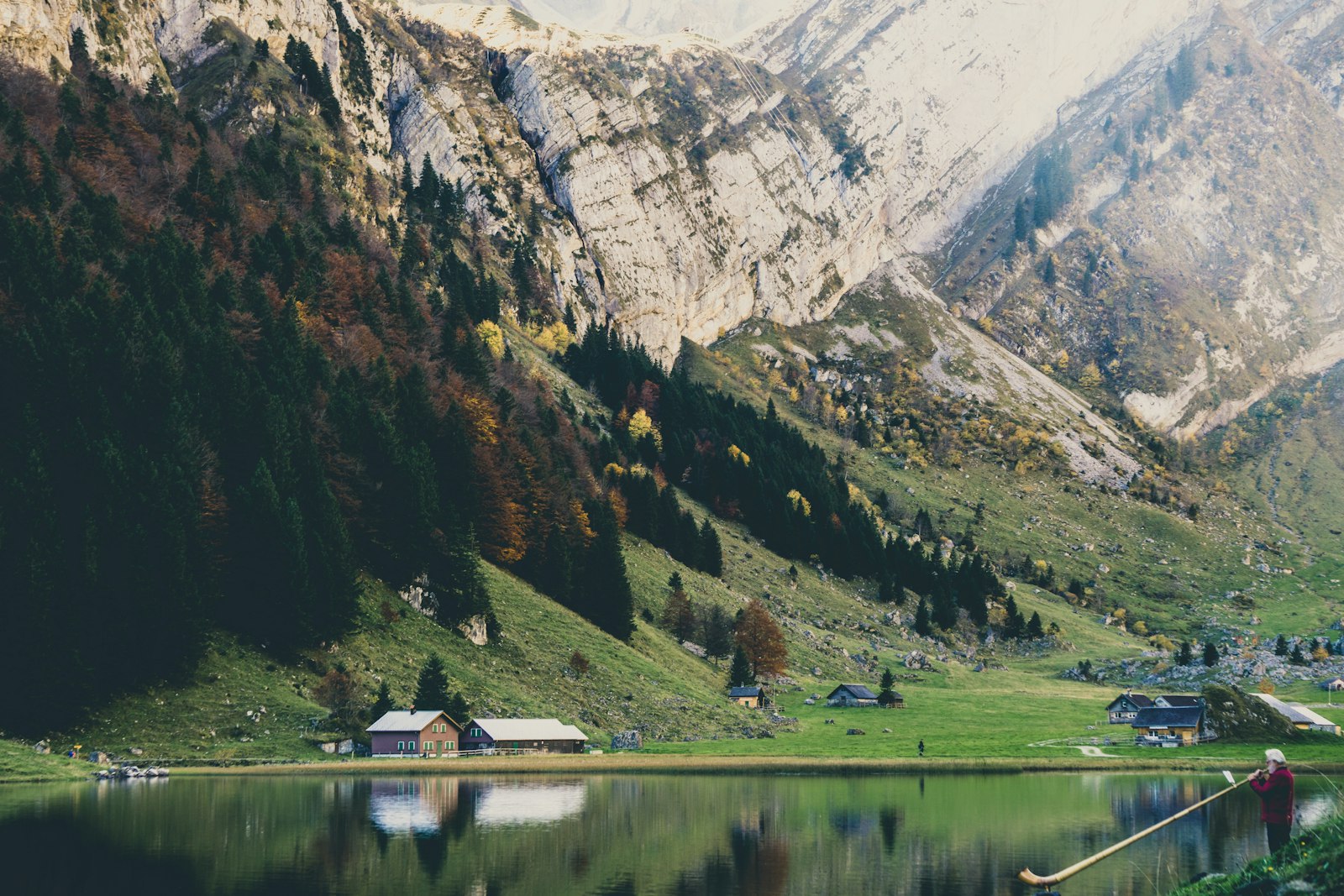
The Lake District in northwest England is a landscape of stunning natural beauty—crystalline lakes, dramatic mountains, verdant valleys, and picturesque villages arranged across 885 square miles of protected parkland. It’s England’s most mountainous region and its premier outdoor destination.
For Americans, the Lake District offers something distinct from the pastoral Cotswolds or dramatic Scottish Highlands: a manageable combination of serious mountain scenery and lakeside charm, plus a romantic literary heritage rooted in the Romantic poets who made this region famous.
The Lake District is ideal for hikers, walkers, photographers, and anyone seeking natural beauty without venturing to remote regions like Scotland.
Geography & Main Lakes & Towns
The Lake District contains 16 major lakes (called “meres” in the south and “waters” in the north). Key areas include:
Windermere: England’s largest lake, the gateway to the Lake District, with the town of Windermere and nearby Bowness-on-Windermere.
Ambleside: A charming town at the head of Windermere, ideal as a base for exploring the central lakes.
Keswick: A lakeside town on Derwent Water in the north, excellent for walking and exploring the northern lakes.
Grasmere: A small village immortalized in poetry, with the lake of the same name, nestled in dramatic mountains.
Coniston: A quieter lake with the dramatically named Coniston Old Man mountain.
Ullswater: The most beautiful of the lakes, surrounded by dramatic mountains, with steamer boats offering scenic journeys.
Hawkshead: A picturesque village on Esthwaite Water, famous for its school (where Wordsworth attended).
Major Mountains & Peaks
The Lake District is home to England’s highest peaks and excellent hiking terrain.
Scafell Pike: England’s highest mountain at 3,209 feet (978 meters). The climb is non-technical but strenuous, taking 5-7 hours round-trip. The main route from Wasdale Head is steep and rocky.
Helvellyn: At 3,118 feet, this is England’s second-highest peak. The route via Striding Edge (a dramatic ridge walk) is more scenic and challenging than Scafell Pike.
Coniston Old Man: A 2,633-foot peak above Coniston with excellent views. The hike is popular and less crowded than higher peaks.
Catbells: A smaller peak (1,481 feet) above Derwent Water offering dramatic views with less effort. Perfect for those wanting mountain scenery without extreme exertion.
Lakes & Towns
Windermere & Bowness
Windermere is England’s largest lake, stretching 10.5 miles. The town of Windermere is small and utilitarian; Bowness-on-Windermere (a few miles south) is more charming, with a waterfront promenade and shops.
What to Do:
- Take a cruise on Windermere (full-length cruises, or shorter scenic trips)
- Browse shops and cafes in Bowness
- Visit the Steamboat Museum (historic boats)
- Walk the woodland trails around the lake shore
Accommodation: Abundant hotels and B&Bs, £70-140 per night.
Caveat: Windermere is the most touristy lake, especially Bowness. If seeking authenticity, stay elsewhere and day-trip.
Ambleside
Ambleside is a charming town at the head of Windermere, excellent for walking and exploration. The town has a working mill, good restaurants, bookshops, and outdoor shops catering to hikers.
What to Do:
Accommodation: Hotels, B&Bs, and hostels range £50-130 per night. Less upscale than some areas but genuinely nice.
Walking Base: Ambleside is ideal for serious walkers as it’s centrally located.
Keswick
Keswick is the capital of the northern Lake District, on the shores of Derwent Water. It’s a lively market town with good facilities and as a base for hiking among the famous peaks (Scafell Pike, Helvellyn, Catbells).
What to Do:
Accommodation: Hotels and B&Bs, £60-130 per night.
Character: Less polished than Bowness but more authentic. Popular with serious hikers and outdoor enthusiasts.
Grasmere
Grasmere is a small village with a lake of the same name, nestled in a dramatic valley surrounded by mountains. It’s deeply associated with William Wordsworth, the Romantic poet who lived here.
What to Do:
Accommodation: Limited but charming options, £70-130 per night. Book ahead.
Character: Grasmere is small and quieter than Ambleside or Keswick, with a genuine village feel.
Coniston
Coniston is a quieter lake in the south of the Lake District, with a small village at its head. It’s less crowded than Windermere or Ullswater.
What to Do:
Accommodation: Basic accommodation, £60-110 per night.
Character: Genuinely quiet and less touristy. Good for those seeking Lake District charm without peak crowds.
Ullswater
Ullswater is consistently rated the most beautiful of the English lakes—long, narrow, surrounded by dramatic mountains. Steamers offer scenic boat journeys.
What to Do:
Accommodation: Limited, £70-130 per night in Glenridding or surrounding villages.
Character: Less touristy than Windermere while retaining beauty and amenities.
Literary Connections
William Wordsworth
Wordsworth (1770-1850) was a Romantic poet who made the Lake District famous through his poetry and prose. He lived at Dove Cottage in Grasmere for nine years, and his descriptions of the Lakes transformed them into a major tourist destination.
Dove Cottage: His modest home is now a museum with period furnishings and interesting exhibits. Admission about £10. Tours and exhibits explain his life and work.
St Oswald’s Church: Wordsworth and his family are buried here. The churchyard itself is beautiful and peaceful.
John Ruskin
Ruskin (1819-1900), the influential art critic and writer, lived at Brantwood on Coniston Water. His home is now a museum.
Beatrix Potter
Potter (1866-1943), author and illustrator of children’s books, lived at Hill Top near Hawkshead. Her house is a charming museum filled with her furnishings and original book illustrations. Admission about £8. The house is small and charming, offering insight into her creative life.
Hiking & Walking
The Lake District is among England’s premier hiking destinations. Trails range from easy lakeside walks to challenging mountain ascents.
Easy Walks (1-2 hours)
Moderate Walks (3-5 hours)
Challenging Hikes (5-7+ hours)
Practical Hiking Information
Seasons: Summer (June-August) offers best weather and longest days. Spring and autumn have good weather with fewer crowds. Winter is cold, wet, and days are very short.
Equipment: Good hiking boots, weather gear (rain jacket and layers are essential), map, and compass or GPS. The weather changes rapidly—be prepared.
Maps: Ordnance Survey maps are standard and widely available. Download routes onto your phone as backup.
Safety: Even small peaks can be dangerous in poor weather. Check forecasts before heading out. Mountain rescue is free but dangerous for rescuers.
Paths: Most major trails are well-maintained and marked. However, paths can be muddy and rocky.
Accommodation Styles
Hotels & Inns
Traditional hotels and historic inns, often with character. £70-150+ per night.
Bed & Breakfasts
Family-run guest houses, typically £60-120 per night.
Holiday Cottages
Self-catering stone cottages and farmhouses, ideal for groups. £80-200+ per night.
Youth Hostels
Budget options in hikers’ towns. £25-50 per night per person. Popular with international travelers and budget travelers.
Luxury Country Hotels
Upscale manor house hotels, £150-400+ per night.
Food & Dining
Breakfast: The full English breakfast is ubiquitous and hearty.
Pub Food: Traditional fare including steak and ale pie, fish and chips, sausage and mash. Budget £10-18 per meal.
Afternoon Tea: Available in many establishments, a nice Afternoon treat.
Restaurants: Upscale restaurants featuring local ingredients (Lake District fell-bred lamb, fresh fish, game). Budget £25-50+ per person for dinner.
Takeaway: Fish and chips shops are everywhere, perfect for hiking fuel.
Local Specialties: Sticky toffee pudding (a Lake District dessert), Kendal Mint Cake (a glucose sweet beloved by hikers), Lake District lamb.
When to Visit
Spring (April-May): Lovely weather, wildflowers, and fewer tourists. Good hiking season.
Summer (June-August): Peak season. Best weather, warmest temperatures (highs around 65°F/18°C). Peak crowds and prices.
Autumn (September-October): Excellent weather, dramatic light, falling leaves. Good hiking season with fewer crowds.
Winter (November-February): Cold and wet, but beautiful in snow. Days are very short. Some accommodation and attractions close. Quiet and atmospheric for those prepared for weather.
Getting There & Around
From London
By Train: London Euston to Kendal or Oxenholme (3-4 hours), then local bus or train to Lake District towns.
By Car: M6 motorway north, then A590 to Lake District. 3-4 hours depending on destination. Having a car is convenient but not essential.
Between Towns
Buses: Local bus services connect Lake District towns and walking areas. Plan ahead; service is infrequent in some areas.
Car Rental: Recommended. Roads are scenic and well-maintained, though narrow in mountain areas.
Walking: Some towns and lakes are within walking distance. Walking between villages is pleasant.
Practical Information
Weather Gear
The Lake District is notoriously wet and windy. Bring:
Money
Card payment is standard. Budget £70-150 per night for accommodation, £10-25 for casual meals, £25-50+ for nicer restaurants.
Crowds
Peak crowds occur July-August, Easter holidays, and weekends. Quieter midweek. Early morning visits to popular spots help avoid crowds.
Equipment Rental
Rental shops in Ambleside, Keswick, and other towns rent hiking gear, bikes, and canoes.
Final Thoughts
The Lake District combines spectacular natural beauty with genuine village character, excellent hiking, and literary heritage. It’s England’s most complete outdoor destination—you can climb peaks, walk easy paths, enjoy lakeside charm, and explore cultural connections all in one region.
Most visitors spend 4-7 days in the Lake District, using one or two towns as bases and exploring different areas. The region rewards unhurried exploration and good weather preparation.
The Lake District deserves its reputation as one of England’s greatest landscapes and a world-class hiking destination.




Leave a Reply