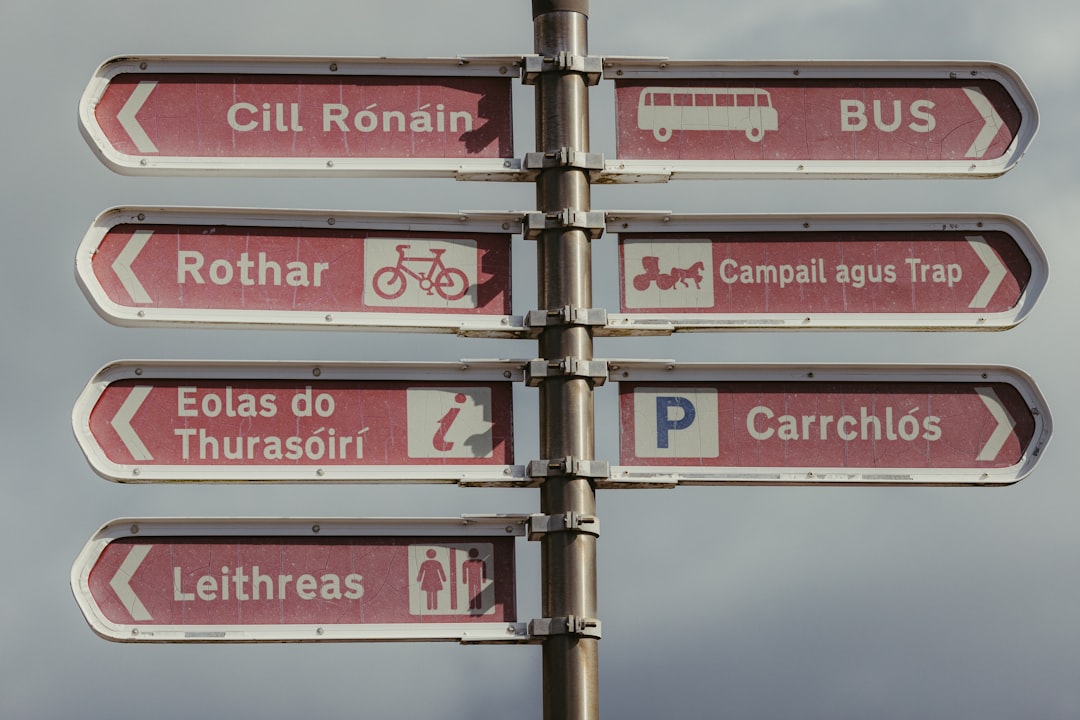
There’s something magical about words that refuse to be translated. These linguistic treasures capture feelings, concepts, and experiences that simply don’t exist in English—or at least not in a single, perfect word. When you travel through Europe, you’ll discover that languages have evolved to express the unique character of their cultures, their climates, their histories, and their values. This article celebrates some of the most beautiful, intriguing, and downright delightful untranslatable words across twelve European countries.
Why Do These Words Matter?
Before diving into our linguistic journey, it’s worth understanding why untranslatable words fascinate us. They reveal how different cultures see the world. When German has a specific word for the feeling of schadenfreude, it’s telling us something about human nature that German speakers have thought deeply about. When Danish has “hygge” but English speakers have been saying “cozy” for centuries, it suggests that coziness might mean something slightly different in Copenhagen than it does in Canterbury.
These words are cultural artifacts. They’re windows into the soul of a nation. And for travelers, they’re the ultimate insider knowledge—the words that make you feel like you finally understand a place.
France: The Language of Love and Philosophy
Sonder (Pronounced: “sohn-day”)
Wait, we need to start with something intrinsically French. Let’s try:
Desoeuvrement (Pronounced: “day-zuh-vruh-mohn”)
Literal translation: The state of being jobless or idle
What it really means: A deep, existential sense of being without occupation or purpose; a profound ennui that comes from having nothing meaningful to do
Cultural context: This word captures the French intellectual’s favorite mood—that contemplative dissatisfaction that leads to great art, philosophy, and café discussions at 2 AM
Example: “Je ressens un profond désoeuvrement depuis que j’ai quitté mon travail” (I feel a profound sense of purposeless existence since I left my job)
Aubade (Pronounced: “oh-bahd”)
Literal translation: A poem or song about dawn
What it really means: The poignant melancholy of lovers parting at dawn; the moment when night must end and reality returns
Cultural context: Born from medieval poetry, this word encapsulates the romantic tragedy of stolen moments ending with the sunrise
Example: Often found in literature describing the bittersweet goodbye between lovers at first light
Dépaysement (Pronounced: “day-pay-zuh-mohn”)
Literal translation: Being without a country
What it really means: The disorientation and exhilaration of being in a completely unfamiliar place; that lovely feeling of being pleasantly lost in a foreign land
Cultural context: Perfect for travelers! This is what you feel wandering the streets of Paris if you’re not Parisian
Example: “J’adore ce sentiment de dépaysement” (I love this feeling of being abroad and disoriented)
Germany: Precision and Depth of Feeling
Schadenfreude (Pronounced: “shah-den-froyd-uh”)
Literal translation: Damage-joy
What it really means: Pleasure derived from someone else’s misfortune or failure
Cultural context: German has given the world perhaps its most honest word—the admission that we sometimes enjoy others’ suffering. It’s refreshingly frank.
Example: Feeling schadenfreude when your rival’s presentation goes poorly in a meeting
Fernweh (Pronounced: “fair-nvahy”)
Literal translation: Far-sickness or distance-pain
What it really means: An intense yearning to travel and see distant places; homesickness but in reverse—longing for places you haven’t been
Cultural context: The wanderlust that defines the German spirit of exploration
Example: “Ich habe Fernweh” (I have this ache for distant travel)
Weltschmerz (Pronounced: “velt-shmairtz”)
Literal translation: World-pain
What it really means: A deep sadness about the state of the world; pessimistic world-weariness mixed with melancholic idealism
Cultural context: Emerged during Romanticism to describe the intellectual’s burden of understanding the world’s suffering
Example: Reading the news and feeling weltschmerz about climate change
Verschlimmbessern (Pronounced: “fair-shlim-bes-ern”)
Literal translation: To make worse-better
What it really means: To make something worse by trying to improve it; a misguided attempt at improvement that backfires
Cultural context: German efficiency meets German humor—acknowledging that sometimes our fixes fail
Example: Trying to repair your phone and making it completely broken instead
Spain: Passion and Community
Sobremesa (Pronounced: “soh-breh-meh-sah”)
Literal translation: On-table
What it really means: The time spent lingering at the table after a meal, conversing with friends and family; the conversation and connection itself
Cultural context: Captures the Spanish philosophy that meals are about much more than eating—they’re social events where life happens
Example: Hours spent at a Spanish dinner table after the plates are cleared, just talking and laughing
Duende (Pronounced: “doo-en-deh”)
Literal translation: A type of ghost or spirit
What it really means: A deep, spiritual kind of passion and art; an almost demonic creative force that overtakes an artist; the profound emotional power in flamenco or bullfighting
Cultural context: Deeply rooted in Spanish Romani and Moorish influences; it’s the magic that makes hairs stand on end
Example: When a flamenco dancer has “duende,” they’re channeling something transcendent
Morriña (Pronounced: “moh-ree-nyah”)
Literal translation: Sadness of the Galician hills
What it really means: A nostalgic longing for your homeland when you’re away; homesickness tinged with melancholy
Cultural context: Originating from Galicia, it’s the specific ache of missing home, family, and familiar places
Example: A Spaniard working abroad feeling morriña while watching videos of their village
Netherlands: Straightforward Charm
Gezellig (Pronounced: “khuh-zel-ikh”)
Literal translation: Cozy, but so much more
What it really means: A warm, convivial atmosphere of coziness, togetherness, and conviviality; the pleasant feeling of being together with good company
Cultural context: This is THE Dutch word. It defines Dutch culture—the idea that spending time together in a comfortable setting is what life is about
Example: “Gezellig” describes a candlelit dinner with friends, a rainy afternoon in a café, or a family gathering by the fire
Treuzuchtig (Pronounced: “troy-tsookh-tikh”)
Literal translation: Loyalty-seeking
What it really means: Loyal; dependable and reliable
Cultural context: Reflects Dutch values of trust and steadfastness
Example: A “treuzuchtig” friend is one you can always rely on
Denmark: The Art of Comfort
Hygge (Pronounced: “hoo-gah”)
Literal translation: Comfort and coziness (but this doesn’t capture it)
What it really means: A deeply relaxing, warm, intimate atmosphere; the feeling of being enveloped in contentment, usually with dim lighting, good company, perhaps candles and coffee
Cultural context: The Danish response to long, dark winters—a philosophy of creating warmth and safety in the cold and dark
Example: Danish people gather around candles in winter, with coffee and pastries, just enjoying each other’s company—that’s hygge
Påskekrim (Pronounced: “paws-kuh-krihm”)
Literal translation: Easter crime
What it really means: Crime fiction stories consumed during Easter holidays; a Danish tradition of reading thrillers around Easter time
Cultural context: So specifically Danish that other countries find it amusing—but it shows how language captures cultural traditions
Example: Danes settling in for Easter weekend with a good murder mystery novel
Italy: Dolce Vita and Living Well
Dolce far niente (Pronounced: “dole-cheh far nee-en-teh”)
Literal translation: Sweet doing-nothing
What it really means: The pleasure of doing absolutely nothing; the art of idleness as a form of luxury and happiness
Cultural context: The Italian rejection of productivity culture and embracing of life’s simple pleasures
Example: Sitting in a piazza, watching the world go by, with no agenda—this is dolce far niente
Sprezzatura (Pronounced: “spreh-tsah-too-rah”)
Literal translation: Disdain or disregard
What it really means: A studied nonchalance; the ability to pull off something difficult while making it look effortless and natural
Cultural context: Central to Italian Renaissance ideas of how to be—with grace, ease, and seemingly without effort
Example: An Italian man in a perfectly fitted suit walking through the street with complete ease—he makes it look like he wasn’t even trying
Abbiocco (Pronounced: “ah-bee-oh-koh”)
Literal translation: Sleepiness
What it really means: The drowsiness that comes after eating a large, satisfying meal; that irresistible urge to nap after lunch
Cultural context: Celebrates the Italian love of good food and the natural need to rest after enjoying it
Example: That post-pasta fatigue at 3 PM when all you want to do is take a siesta
Portugal: Melancholy and Longing
Saudade (Pronounced: “sow-dah-duh”)
Literal translation: Longing, yearning
What it really means: A profound emotional state of nostalgic longing for something absent; a deep, almost spiritual melancholy; the ache of missing something or someone
Cultural context: Perhaps the most famous untranslatable word, saudade defines Portuguese culture and its fado music—it’s about absence, memory, and desire
Example: Missing a person you love, a place from your past, or even something intangible like lost youth—this is saudade
Desenrascanço (Pronounced: “deh-zen-rahs-kahn-suh”)
Literal translation: Disentanglement
What it really means: The feeling of relief and escape from a difficult situation; the ability to extricate yourself from trouble through cleverness and improvisation
Cultural context: Shows the Portuguese gift for creative problem-solving and getting out of sticky situations with humor and ingenuity
Example: Finally escaping a boring conversation through a clever exit—that’s desenrascanço
Sweden: Balance and Moderation
Lagom (Pronounced: “lah-gom”)
Literal translation: Not too much, not too little
What it really means: The idea that the perfect amount is somewhere in the middle; not extreme; balanced and moderate; the Goldilocks principle
Cultural context: Captures Swedish values of equality, balance, and moderation in all things
Example: Swedish work-life balance, Swedish interior design simplicity, Swedish approach to everything—it’s all about lagom
Tukthål (Pronounced: “took-tohl”)
Literal translation: Discipline-hole
What it really means: A place where one can go to decompress and recharge alone; a personal refuge
Cultural context: Reflects Swedish need for solitude and personal space
Example: Everyone needs their tukthål—their own quiet place to be alone
Norway: Nature and Comfort
Koselig (Pronounced: “koh-seh-lee”)
Literal translation: Cozy (similar to the Danish concept)
What it really means: A warm, friendly atmosphere; coziness and comfort much like hygge
Cultural context: Norwegian response to long, dark winters; creating warmth and togetherness in the cold
Example: A cabin in the mountains with friends, a fireplace, and hot chocolate—that’s koselig
Friluftsliv (Pronounced: “free-loofts-liv”)
Literal translation: Open-air-life
What it really means: The philosophy and practice of living in harmony with nature; spending time outdoors as a way of life
Cultural context: Fundamental to Norwegian identity; the idea that being in nature is essential to well-being
Example: Norwegians hiking in the mountains, camping, skiing—friluftsliv is woven into their DNA
Greece: Passion and Intensity
Kefi (Pronounced: “keh-fee”)
Literal translation: Passion, high spirits
What it really means: A state of high spirits, passion, and joy; the feeling of being on top of the world; exuberance and energy
Cultural context: The spirit that comes alive in Greek celebrations, music, and dancing—that electric energy
Example: When a Greek dancer enters a state of kefi, they’re possessed by joy and abandon
Philotimo (Pronounced: “fee-loh-tee-moh”)
Literal translation: Love of honor
What it really means: Honor, dignity, and a deep sense of what is right; acting with integrity and moral character
Cultural context: A cornerstone of Greek values—it’s about doing the right thing because it’s right, not for reward
Example: Someone acts with philotimo when they’re honest and honorable even when no one is watching
Poland: Resilience and Soul
Zal (Pronounced: “zhahl”)
Literal translation: A type of regret or resentment
What it really means: A complex emotion combining regret, sadness, and a sense of unfairness; the pain of something that should have been but wasn’t
Cultural context: Reflects Polish history of struggle and the emotional depth required to survive it
Example: The zal of opportunities missed or dreams deferred
Tęsknota (Pronounced: “tens-kno-tah”)
Literal translation: Longing, yearning
What it really means: A deep, spiritual yearning; homesickness mixed with melancholy and hope
Cultural context: Reflects the Polish experience of displacement and loss throughout history
Example: Polish emigrants feeling tęsknota for their homeland
Czech Republic: Philosophical Depth
Litost (Pronounced: “lee-tohst”)
Literal translation: None that quite works
What it really means: A deep, often anguished feeling of torment and self-reproach; a state of agony mixed with self-awareness about one’s misfortune
Cultural context: Milan Kundera wrote that this word defines the Czech soul; it’s unique to Czech experience
Example: The feeling when you realize you’ve made a terrible mistake and must live with the consequences
Klid (Pronounced: “kleed”)
Literal translation: Peace, calm
What it really means: A state of peace, calm, and contentment; inner tranquility
Cultural context: Represents the Czech desire for stability and peaceful coexistence
Example: Finding klid in a chaotic world through meditation or a quiet moment in nature
The Beauty of These Words
What unites all these untranslatable words is that they represent cultural values. The Japanese have numerous words for different types of silence because silence holds spiritual significance. The Spanish have duende because art and passion are central to their culture. The Scandinavians have hygge and lagom because they’ve had to create joy and balance in harsh climates.
As you travel through Europe, learning these words isn’t just about expanding your vocabulary—it’s about understanding what matters to each culture. It’s about recognizing that the way a people speak reveals what they value, what they’ve experienced, and how they see the world.
So next time you’re wandering through a European city, try using one of these words. Watch how the locals light up when you understand their untranslatable concept. Because in learning these words, you’re not just learning language—you’re learning to think like a European, to feel what they feel, and to see the world through their eyes.
The most beautiful untranslatable words remind us that language is never just about communication. It’s about culture, history, emotion, and the infinite ways humans find to describe the experience of being alive.




Leave a Reply