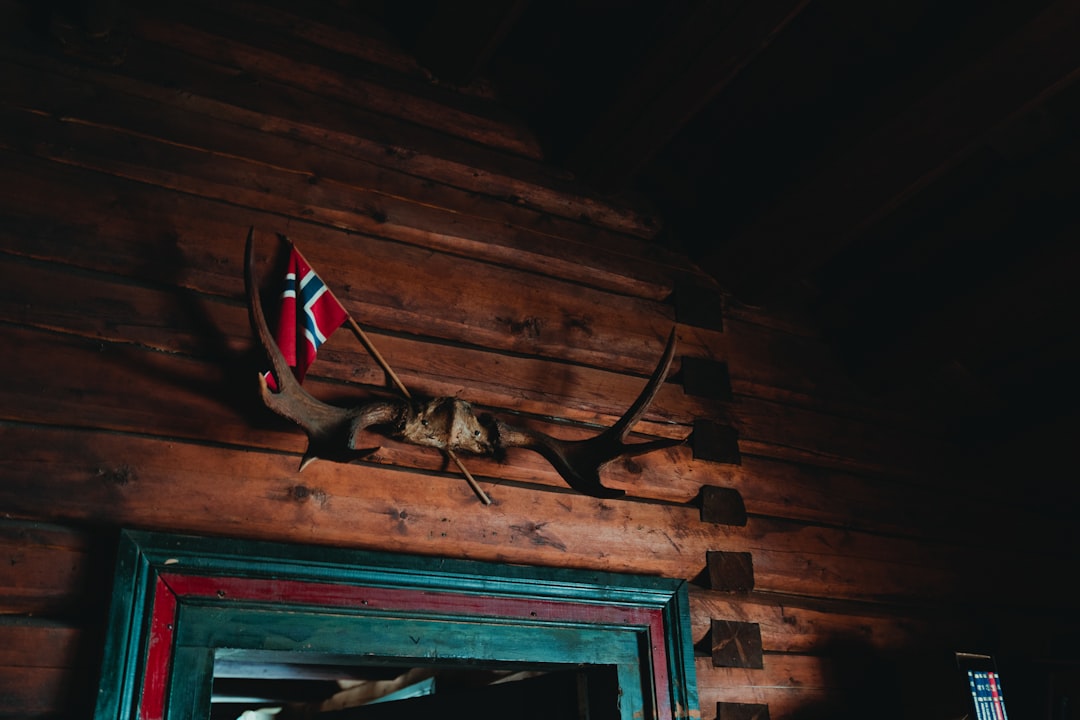
There’s a remarkable statistic that captures something essential about Norwegian culture: there are approximately 500,000 cabins (hytter) in Norway for a population of 5.5 million people. That’s roughly one cabin for every eleven people. In context, this means that the vast majority of Norwegian families own or have regular access to a cabin. It’s not a luxury for the wealthy or an eccentric hobby—it’s a fundamental pillar of Norwegian life.
To understand Norway, you must understand the hytte. It’s far more than a weekend getaway destination. It’s where Norwegians reconnect with friluftsliv, practice koselig, maintain family bonds, and express their values. The hytte is so central to Norwegian identity that the nation’s relationship with these small buildings reveals something profound about how Norwegians think about happiness, community, and what it means to live well.
The Numbers Behind the Obsession
That statistic about 500,000 cabins deserves unpacking. In a country smaller than Great Britain, with a climate that makes cabin use possible for maybe half the year, Norwegians have invested billions in these structures. Not because they’re forced to, but because they genuinely cannot imagine life without them.
The phenomenon has grown steadily since the 1960s. As Norway industrialized and urbanized, cabin ownership became a way to maintain connection to rural roots and nature. It became a status symbol, not of wealth (though expensive cabins exist), but of values. Owning a hytte says something about your priorities: you care about nature, family time, and simplicity.
What’s fascinating is that this is not driven by real estate investment or financial speculation. Norwegian cabins are built to live in, not to flip for profit. They’re inherited through families, maintained for decades, and treated as sacred spaces rather than assets.
The Philosophy of Deliberate Simplicity
Here’s where the Norwegian cabin culture becomes genuinely unusual: many Norwegian hytter are deliberately, almost defiantly simple. This is not by necessity but by design.
Walk into the cabin of a wealthy Oslo lawyer, and you might find no electricity, no running water, no shower, and no heating except a wood stove. The toilet is a composting toilet outside. Lighting comes from candles or oil lamps. Water comes from a hand pump or bucket. Cooking happens on a wood-burning stove or camp stove.
To outside eyes, this seems like deprivation. Why would anyone with money choose to live without modern conveniences? The answer reveals something about Norwegian values. For Norwegians, the hytte isn’t about comfort—it’s about authenticity, connection, and freedom from distraction.
There’s a spiritual element here. The hytte strips away technology and convenience, forcing you into a different relationship with time, with nature, and with each other. Without electricity, you can’t watch television or scroll on your phone. When the sun sets, you read by candlelight or sit in darkness. There’s nothing to do but be present.
This explains why many Norwegians, offered the chance to add electricity or modern plumbing to their cabins, refuse. The lack of these conveniences is the point. It’s what makes the hytte feel like a sanctuary from modern life.
That said, not all Norwegian cabins are primitive. Many have electricity, running water, and heating. But even these tend toward simplicity—basic functionality rather than luxury. Norwegian cabin design favors natural materials (wood, stone) and minimal decoration. The architecture emphasizes the relationship to the surrounding landscape rather than interior comfort.
What Happens at the Hytte?
If the hytte is stripped of modern distractions, what exactly do Norwegians do there? The answer, paradoxically, is both very simple and deeply meaningful.
Hiking and outdoor activities. The hytte is a base camp for experiencing nature. Families use them as starting points for day hikes, ski trips, and mountain explorations. The cabin itself is secondary; the surrounding landscape is the destination.
Skiing. In winter, the hytte becomes a ski lodge. Families spend weekends cross-country skiing on groomed trails or ski touring in the backcountry. The cabin provides warmth and shelter between excursions.
Reading and solitude. Many Norwegians use their cabins for deep rest. There’s a cultural acceptance of silence and solitude at the hytte. People read, write, think, and simply be. This isn’t antisocial—it’s restorative.
Cooking and eating together. Hytte culture involves simple, often traditional food preparation. Families cook from scratch (no takeout delivery in the mountains), and meals become major events. There’s an emphasis on locally sourced ingredients and traditional dishes—bread baking, fish preparation, berry picking.
Playing cards and board games. The hytte is classic game territory. Long evenings are spent playing card games, chess, or board games. This low-key entertainment requires nothing but attention and social presence.
Maintaining the space. A significant part of hytte time involves maintenance: chopping wood, fixing things, maintaining the structure. This work is not seen as a burden—it’s part of the experience. There’s satisfaction in being self-sufficient and maintaining your own space.
Gathering with extended family and friends. The hytte is where Norwegian families maintain bonds across generations. Grandparents introduce grandchildren to the landscape. Siblings reunite. Friendships deepen through shared time in simple conditions.
Simply sitting. Perhaps most importantly, people sit. They sit by the fire (peiskos). They sit on the porch looking at mountains or water. They sit in silence listening to wind and birds. This isn’t laziness—it’s the core of what the hytte is for. It’s where koselig and friluftsliv come together most purely.
The Påskeferie: Easter at the Hytte
There’s one week when the entire Norwegian cabin culture crystallizes into a national phenomenon: påskeferie, the Easter holiday week. For Norwegians, Easter is synonymous with cabin time, skiing, and mountains.
During the week of Easter (usually in late March or early April), Norwegians en masse flee cities for their cabins. Schools close. Businesses slow. Roads to mountain regions become congested. The major ski resorts and mountain villages fill with Norwegian families.
The tradition has roots in winter’s end—Easter marks the transition from deep winter to spring. Families who haven’t been to their cabins since before Christmas make the journey. Skiing conditions are still good (the heavy snow of winter combined with slightly warmer spring days). The days are growing noticeably longer. There’s an energy and celebration to påskeferie that goes beyond a normal weekend trip.
During this week, the cabins are full. Extended families gather. Multi-generational groups hike and ski together. The tradition has become so ingrained that Norwegians who can manage it feel they’re missing something essential if they don’t do something outdoors during Easter week.
For travelers in Norway during Easter, the cabin culture becomes visible and accessible. Towns in mountain regions fill with activity. Ski trails are crowded. But there’s also a warmth and community to it—you’re witnessing something genuinely important to Norwegian culture.
The Hytte and Family Identity
The cabin often becomes the center of family identity and inheritance. Many Norwegians inherit hytter from parents or grandparents. These inherited cabins carry emotional weight—they’re associated with childhood memories, family traditions, and connection to place.
This creates interesting dynamics within families. Who gets to use the cabin when? Who’s responsible for maintenance? What happens if siblings disagree about selling? These questions generate real tension in Norwegian families, so much so that there’s almost a literary genre of Norwegian fiction dealing with family conflict around cabin inheritance.
The hytte becomes a symbol of what the family values: nature, simplicity, togetherness, continuity. It’s often where family identity is most fully expressed.
Visiting a Hytte: A Window into Norwegian Life
For travelers, experiencing a Norwegian hytte—whether owned by a friend or rented—is invaluable. It’s not glamorous. The bed might be narrow. The shower might be cold water from a hand pump. The food might be simple bread and cheese and fish. But this discomfort is precisely where the experience becomes meaningful.
At a hytte, you shed the tourist persona. You participate in daily rituals: drawing water, chopping wood, cooking, reading by candlelight. You experience the slower rhythm of life that Norwegians find restorative. You understand, viscerally, why 500,000 of these simple structures exist in a wealthy, modern nation.
You also experience Norwegian hospitality in its most genuine form. Invited to a hytte, you’re trusted with something sacred. The cabin owner is sharing not just a space but a core part of their identity and values.
The Contemporary Hytte: Tradition and Change
It’s worth noting that cabin culture is evolving. Some younger Norwegians own minimalist cabins designed by architects, with clean lines and modern materials. Some cabins are becoming more luxurious, with better heating and amenities. Climate change is affecting ski seasons and hiking conditions.
Yet the core of hytte culture—the emphasis on simplicity, outdoor connection, and family time—remains strong. Even modern cabins tend toward function over luxury. The values embedded in hytte culture run deep enough that they shape how Norwegians approach these spaces even as technology and comfort standards change.
Why This Matters
The hytte culture reveals something important about Norwegian values. In a wealthy nation, Norwegians could prioritize luxury vacation homes in warm climates. Instead, they invest in simple cabins in harsh environments. This choice reflects what Norwegians actually value: nature, simplicity, family, and the slow time that leads to reflection and restoration.
For travelers, understanding the hytte means understanding what makes Norway distinct. It’s not just a country with beautiful landscapes—it’s a culture that has systematically built infrastructure and social practices to ensure that regular engagement with those landscapes shapes everyday life.
The hytte is where Norwegian identity lives. Visit one, if you can. Sit by the fire, chop some wood, eat some simple food, and understand why 500,000 of these modest buildings represent the true wealth of a nation.




Leave a Reply