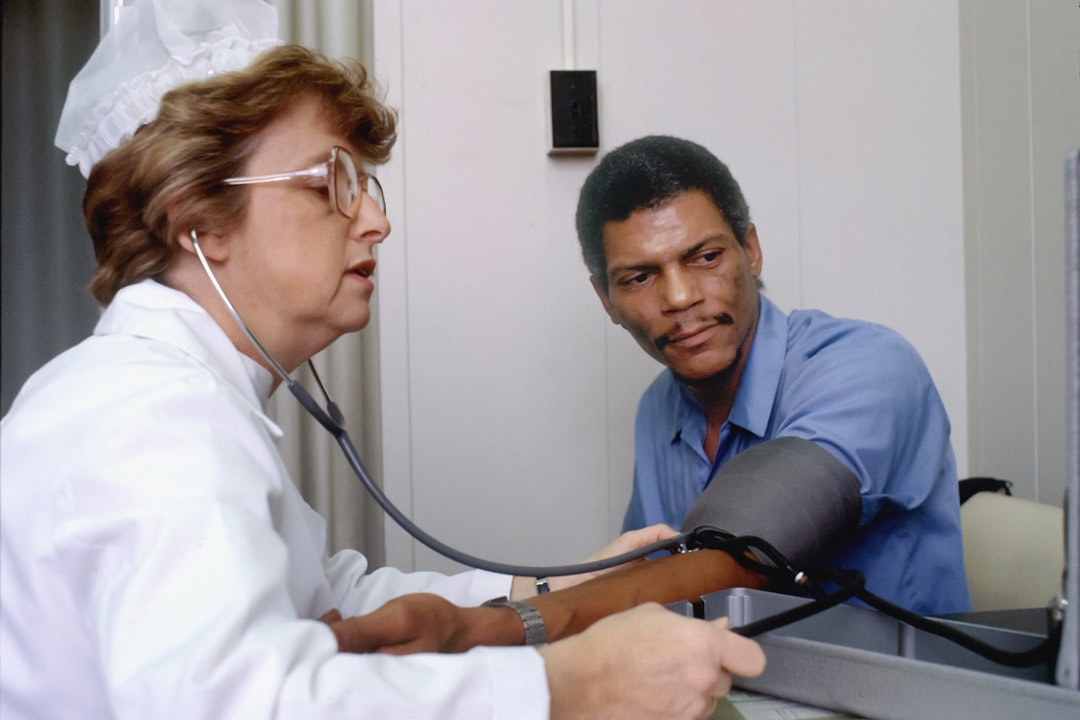
Healthcare is a critical consideration for any relocation. Portugal’s healthcare system is excellent, affordable, and accessible—but it works fundamentally differently from the American system. Understanding how it operates, your options, and what to expect is essential.
Overview: SNS (Serviço Nacional de Saúde)
Portugal’s public healthcare system is SNS—the National Health Service. It’s government-funded, universal, and available to legal residents. The quality is excellent, often surpassing American healthcare for primary and preventive care while costing dramatically less.
Key characteristics:
- Free or minimal-cost access for legal residents
- Funded through taxes and social contributions
- Covers emergency, hospitalization, primary care, prescriptions, specialist care
- Wait times for non-urgent procedures can be 2-8 weeks (faster than NHS in UK, slower than US private care)
- Excellent quality—hospitals are modern, doctors are well-trained, medical standards are high
Private Health Insurance Requirements
If you’re relocating on a visa (D7, Digital Nomad, Work Visa), you must have private health insurance. This is a visa requirement, not optional. The insurance serves as backup to the SNS and demonstrates financial responsibility.
Visa-Required Insurance
Minimum requirements:
Monthly costs:
Major Providers
Médis:
Multicare:
Allianz:
EIRAMED:
How to obtain: Work with an insurance broker, obtain quotes from providers’ websites, or have your visa-obtaining lawyer arrange it. Most people secure insurance before applying for their visa.
Registering with the SNS: Centro de Saúde
Once you’re legally in Portugal, you can access the public healthcare system through registration with a local centro de saúde (health center).
Getting a Número de Utente (Healthcare ID)
This is your Portuguese healthcare identification number—essential for accessing NHS services.
How to obtain:
- Visit your local centro de saúde (assigned by your address)
- Bring: Passport, NIF number, proof of address (rental contract), completed registration form
- Register with a GP (General Practitioner)
- Receive your Número de Utente (usually within 1-2 visits)
Finding your local centro de saúde:
Your GP (Médico de Família)
The Portuguese system requires registering with a specific GP—you choose from available doctors at your centro de saúde. This GP is your gateway to the system:
Important: You don’t need emergency care to be referred—you need a GP referral for almost all specialist care. This is different from the US where you can often self-refer.
How to Access Healthcare: The Process
Non-Emergency Doctor Visit
Prescription Medications
Major pharmacy chains:
Emergency Care
For true emergencies:
Important distinction: “Urgências” (emergency department for acute problems) vs. “Cuidados Continuados” (urgent care for less severe issues). For minor issues, urgent care might be more appropriate.
Specialist Care
Portugal has excellent medical specialists. To access:
If paying privately (not through SNS):
Dental Care
Dental care is a weak point of the Portuguese NHS—coverage is minimal and limited. Most expats use private dentistry:
Public dental (SNS):
Private dental:
Popular private dentists: Use Google Maps reviews, ask in expat groups. Most are English-speaking in Lisbon/Porto.
Mental Health and Therapy
Mental health services are emerging in Portuguese healthcare but remain underdeveloped compared to the US.
Public mental health:
Private psychology/therapy:
Online therapy: Many expats use English-language therapy platforms (BetterHelp, Talkspace) for continuity.
ADSE: Healthcare for Public Workers
If you secure employment in the Portuguese public sector, you may qualify for ADSE (Associação de Defesa do Sindicado dos Espectadores), a healthcare program for public servants. Benefits are excellent: lower costs, extensive coverage, private hospital access.
Relevant primarily if you work for government institutions or some state-sector organizations.
Pharmacy Culture: A Major Difference
One of the most striking differences between Portugal and the US is pharmacy accessibility. Portuguese pharmacies (farmácia) are run by licensed pharmacists who can:
This means: For minor ailments (cold, infection, pain, digestive issues), you can visit the pharmacy without a doctor. The pharmacist will often solve your problem directly. Medications are cheap—€1-5 for most common items.
Major chains:
Vaccinations and Preventive Care
Portugal has excellent preventive healthcare. Vaccinations (flu, COVID, pneumonia, etc.) are available and subsidized.
Accessing vaccines:
Healthcare Comparison: US vs. Portugal
| Aspect | USA | Portugal |
|——–|—–|———|
| System | Multi-payer, insurance-based | Single-payer public + private option |
| Cost for routine visit | $100-300 (uninsured), $20-50 copay (insured) | €0-5 (public) |
| Insurance (Americans) | $300-600/month | €150-250/month (visa requirement) |
| Prescription cost | $50-300/month (common drugs) | €1-5/month (subsidized) |
| Specialist access | Direct self-referral, often $200+ visit | GP referral required, €0-30 (public) |
| Emergency room | $1,000-5,000+ without insurance | €0-20 (public) |
| Hospital stay | $2,000-15,000+/day | €0-200/day (public) |
| Wait times | Quick for urgent/emergent, slow for routine | 2-8 weeks typical for specialists |
| Quality | High (varies by provider) | High, excellent standards |
| Dental | Often not covered, $200-2,000/visit | Private market, €70-200/visit |
| Mental health | Often covered, $50-300/visit | Limited public, €50-100/private |
Practical Steps for Moving to Portugal with Healthcare
Before moving:
Upon arrival:
The Bottom Line
Portugal’s healthcare system is fundamentally superior to the US in many ways: it’s accessible, affordable, and covers everyone. Emergency and serious conditions receive excellent care. The main adjustments for Americans are:
For most health needs, you’ll find Portugal’s system excellent. The requirement for private insurance on a visa can feel unnecessary (since the public system is free once established), but it’s mandated by immigration. Budget €2,000-4,000/year for insurance as part of your relocation cost—then never use it, because the public healthcare is excellent and free.




Leave a Reply