Introduction
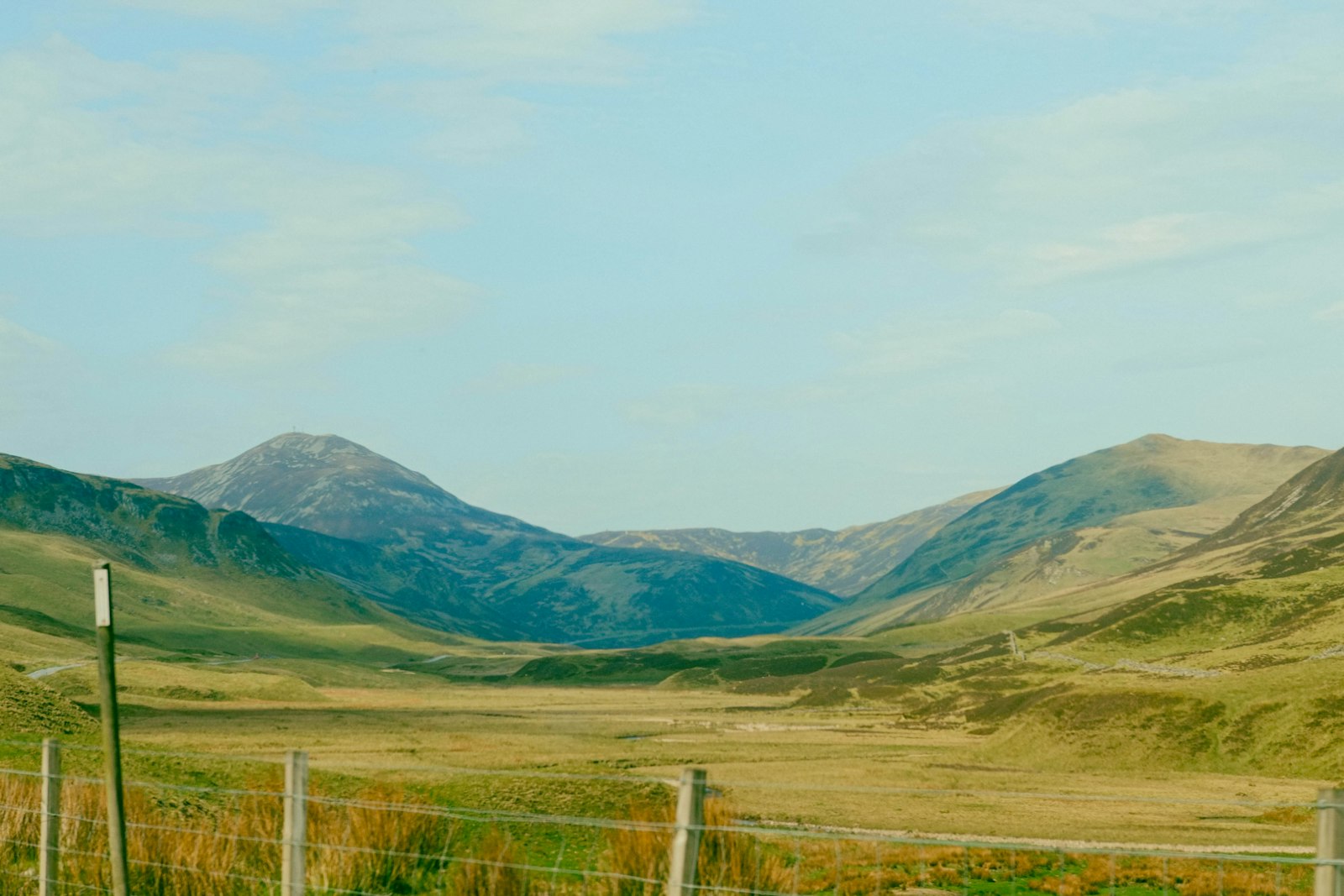
The Scottish Highlands are a world apart from urban Britain. Vast, dramatic, and wild, this mountainous region in northern Scotland offers some of the most spectacular scenery in Europe. Windswept glens, towering peaks, mysterious lochs, and ancient castles define this landscape.
For Americans, the Highlands evoke an almost mythical version of Scotland—and the reality is often even more impressive. Whether you’re a hiker, history buff, whisky enthusiast, or simply seeking wild beauty, the Highlands deliver.
This guide covers the key areas, logistics for traveling through this remote region, and practical tips for making the most of a visit.
Geography & Main Areas
The Scottish Highlands cover roughly the northern half of Scotland. Key areas to explore include:
Inverness Area: The capital of the Highlands, a town of about 70,000 people serving as a base for exploring Loch Ness and surrounding regions.
Loch Ness: The famous loch where the legendary Nessie supposedly lives. It’s genuinely beautiful regardless of whether you see a monster.
Glen Coe: Arguably Scotland’s most dramatic valley, a UNESCO World Heritage Site with jaw-dropping mountains flanking a narrow pass.
Fort William: A mountain town serving as the base for Ben Nevis, Britain’s highest peak.
The Isle of Skye: An island accessed by bridge, famous for its dramatic cliffs, the Old Man of Storr, and Fairy Pools.
NC500 (North Coast 500): A scenic driving route around the northern coast—one of the world’s most beautiful road trips.
When to Go
Summer (June-August): The best weather, warmest temperatures (highs around 60°F/15°C), and longest daylight (it doesn’t truly get dark). This is also peak season—expect crowds and higher prices.
Spring (April-May) & Autumn (September-October): Good weather without summer crowds. Spring brings wildflowers; autumn offers dramatic lighting and golden colors. Midges (small biting insects) are less abundant in spring and autumn.
Winter (November-March): Cold, short days, and possible snow. Some roads close due to weather. However, if you’re prepared, winter offers fewer tourists and dramatic light.
Midge Warning: Summer midges (tiny insects) are the Highlands’ biggest nuisance. They emerge in June and last until September, particularly in still, warm conditions. Buy midge repellent locally, avoid hiking at dawn and dusk, and choose windy days or higher elevations.
Inverness & Loch Ness
Inverness
Inverness is the logical base for exploring the central Highlands. It’s a charming town with a riverside location, a castle (more impressive outside than in), and good restaurants and accommodation.
What to See: The Ness Islands (a park area with woodland walks), the Cathedral, and the castle exterior are the main attractions. Most visitors use Inverness as a base rather than a destination in itself.
Accommodation: Hotels range from £60-150 per night. Airbnb options are plentiful. Book in advance in summer.
Loch Ness
Loch Ness is one of Scotland’s most famous landmarks, though it’s underwhelming for many first-time visitors. It’s a long, deep loch surrounded by hills and forests, but the mythical monster never appears.
What to Do: Take a Nessie tour boat (about £15-20), stay at a waterside accommodation like Urquhart Castle, or simply drive the length of the loch enjoying views. The Caledonian Canal (a man-made waterway) links Loch Ness to other lochs and offers scenic walks along its banks.
Urquhart Castle: A 13th-century castle ruin perched on a peninsula jutting into Loch Ness. The view alone justifies the visit. Admission is about £10. The castle is dramatically photographed at sunset.
Culloden Battlefield: Near Inverness, this haunting site marks the 1746 battle that essentially ended the Highland clan system and traditional Gaelic culture. The visitor center provides important historical context. Budget 2-3 hours.
Glen Coe
Glen Coe is the most dramatically beautiful valley in Scotland. Sheer mountains rise on both sides of a narrow pass, creating a landscape that looks almost alien. Even driving through without stopping is spectacular.
Logistics
Glen Coe is roughly 2 hours south of Inverness or 1 hour north of Glasgow. Many visitors combine it with Fort William (30 minutes south).
What to Do
Scenic Drives: Simply driving through the glen is stunning. Stop at the visitor center for orientation and short walks.
Hiking: Glen Coe is a hiker’s paradise with routes ranging from easy strolls to challenging peak climbs. Popular hikes include:
- Three Sisters Walk (a full day, moderate-to-difficult)
- Lost Valley Walk (easier, 1.5 hours, stunning)
- Buachaille Etive Mòr circuit (challenging, but iconic views)
Glencoe Village: A small settlement with accommodation, restaurants, and the visitor center.
Glencoe Ski Centre: In winter, limited skiing is available (conditions are variable). In summer, the Chairlift offers access to views without the hike.
Fort William & Ben Nevis
Fort William
Fort William is a mountain town at the foot of Ben Nevis, Britain’s highest peak (4,413 feet/1,345 meters). The town is touristy but has good infrastructure.
Accommodation & Dining: Plenty of hotels and guesthouses (£60-120 per night). Good restaurants and pubs serving hearty food for hikers.
What to See: The town itself isn’t particularly charming, but it’s a perfect base for outdoor activities.
Ben Nevis
Ben Nevis is a pilgrimage site for British hikers. The climb is non-technical but strenuous (it’s a very long uphill slog with little rest).
The Main Path: The most popular route is the Pony Track, starting from Visitor Centre car park. It’s about 17 km (10.5 miles) round-trip, taking 7-10 hours. The path is well-maintained but can be muddy and exposed.
Difficulty: While not technically difficult (no rock climbing), the distance and elevation gain make it challenging. Many people underestimate the time and effort. Start early (8 AM at latest).
Weather: The summit is frequently cloud-covered. Rain and wind are common even on seemingly clear days. Bring proper gear: waterproof jacket, layers, good boots, and a hat. Descending in bad weather is dangerous.
West Highland Line: If hiking Ben Nevis isn’t your style, the scenic West Highland Railway from Fort William to Mallaig is beautiful and includes the famous Glenfinnan Viaduct (from the Harry Potter films).
The Isle of Skye
The Isle of Skye is accessed by a bridge from the mainland and is accessible by car (you don’t need to take a ferry, though ferries are also available).
Key Attractions
The Old Man of Storr: An iconic rock pinnacle that looks otherworldly. The hike is popular and busy but short (1 hour). The views of the Trotternish Ridge are spectacular.
Fairy Pools: Crystal-clear pools in a mountain stream where people swim (bring a wetsuit—the water is cold). The walk is easy and stunning.
Talisker Beach: A black-sand beach with dramatic cliffs. Beautiful for photography and a taste of raw, wild Scotland.
Dunvegan Castle: A 13th-century castle, seat of Clan MacLeod. It’s the most visited castle in Scotland and worth the visit for both castle and gardens. Admission about £14.
Quirang: A landslip with otherworldly rock formations and views across the Sound of Raasay. Less crowded than Storr and equally dramatic.
Logistics
Skye is remote, so accommodation fills up in summer. Book ahead. The island has few restaurants, so consider self-catering or eating at your lodging. Driving is the best way to explore; roads are narrow and winding.
North Coast 500 (NC500)
The NC500 is a 500-mile driving route around the northern coast of Scotland. It’s one of the world’s great road trips, combining stunning scenery with remote villages and Highland wilderness.
Route Overview
Starting in Inverness, the route goes north to Ullapool, then west to Durness, south along the west coast (incredibly remote and beautiful), then east across the central Highlands back to Inverness.
Highlights
Logistics
The NC500 requires a car and typically takes 5-7 days to properly enjoy. Roads are narrow, sometimes single-track, and can be slow (you’re covering distance, not speed). Fill up fuel in larger towns—petrol stations are sparse in remote areas.
Accommodation is basic in many areas (small hotels, guesthouses, bothies). Book ahead, especially summer weekends.
Scottish Castles
Beyond Urquhart, several major castles are worth visiting:
Eilean Donan Castle: Perhaps Scotland’s most photographed castle, situated on an island in Loch Duich. Dramatically beautiful, especially at sunset. Admission about £10.
Edinburgh Castle: While technically in the Lowlands, it’s world-famous and worth the detour if exploring the Highlands.
Culloden Visitor Centre: As mentioned, this is more about the 1746 battle than the castle, but the historical significance is profound.
Whisky Distilleries
Scottish whisky (spelled without the ‘e’ in Scotland, unlike Irish whiskey) is world-famous. Several distilleries offer tours:
Glenmorangie Distillery: Near Tain, family-friendly with good tours and a visitor center.
Oban Distillery: In a coastal town, charming and accessible.
Talisker Distillery: On the Isle of Skye, producing distinctive peaty whisky.
Tours typically cost £15-25 and include tastings. Advance booking is recommended in peak season.
Practical Information
Getting There
By Car: Renting a car is essential for exploring the Highlands properly. Roads are generally good, though Highland roads can be narrow. Petrol is more expensive than in the US (about $7-8 per gallon/1.5 liters).
By Train: The Caledonian Sleeper offers overnight service from London to Inverness. The West Highland Line from Glasgow to Fort William is world-renowned for scenic beauty.
By Coach: National Express and other coach services connect Edinburgh, Glasgow, and Inverness but are slower.
Driving Tips
Accommodation
Expect £50-150+ per night for accommodation. Options include hotels, guesthouses, B&Bs, and self-catering cottages. Summer booking is essential.
Food
Highland cuisine centers on quality local ingredients: Highland beef, lamb, fresh fish, game, and seafood. Expect hearty portions. Restaurants are limited in remote areas; many people self-cater. Supermarkets exist in towns but are limited in remote villages.
Weather Gear
The Highlands are notoriously wet and windy. Bring:
Final Thoughts
The Scottish Highlands are among Europe’s most dramatic and beautiful landscapes. The combination of raw natural beauty, rich history, outdoor recreation, and welcoming hospitality makes this region unforgettable. Whether you’re driving the NC500, climbing Ben Nevis, or simply soaking in the scenery, the Highlands offer an authentic Scottish experience that transcends typical tourism.
Allow at least 5-7 days to properly explore this vast region. Longer is better. The Highlands reward time and patience with experiences you’ll remember for life.




Leave a Reply