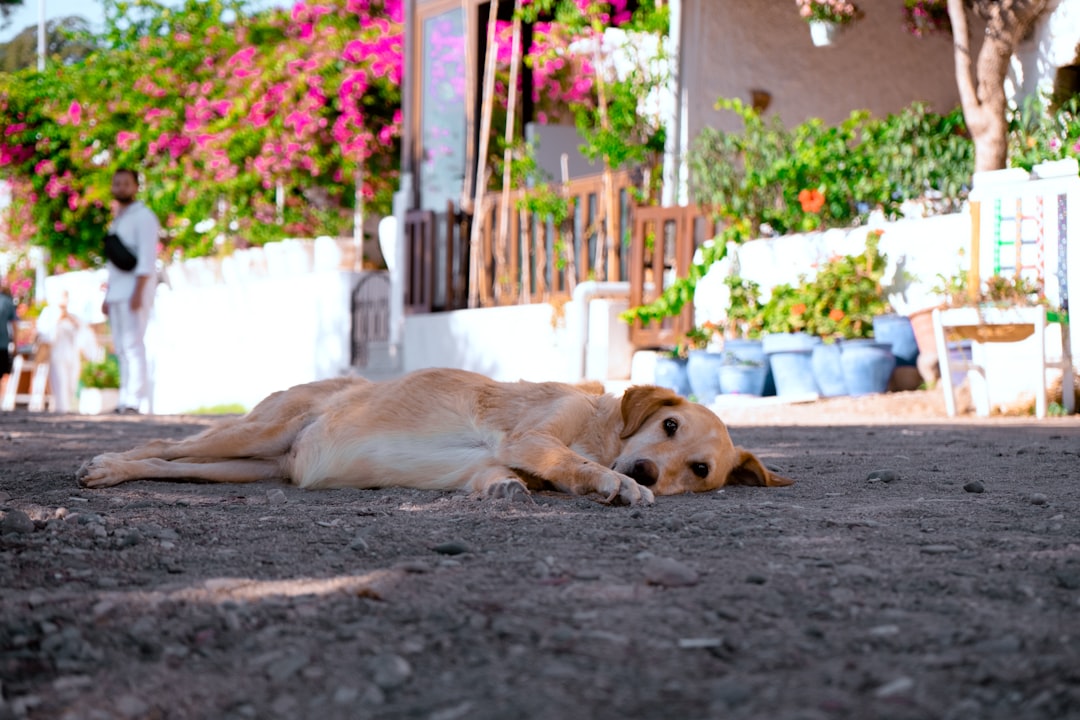
For centuries, the midday break was as much a part of Mediterranean life as olive oil and stone churches. Shops shuttered. Streets emptied. Families gathered for long lunches, and the afternoon heat was surrendered to rest. The siesta was not laziness — it was an intelligent adaptation to climate, a rhythm of life shaped by punishing summer temperatures and the understanding that human productivity has natural limits. But in the twenty-first century, the siesta is in retreat, squeezed between the demands of global economics and the relentless march of air conditioning.
A Brief History of the Midday Rest
The word siesta derives from the Latin hora sexta — the sixth hour after dawn, roughly noon. The Romans practiced it. Medieval monasteries built it into their daily schedule. In agricultural societies across southern Europe, it made perfect sense: work the fields in the cool morning hours, rest during the brutal midday heat, then return to labor in the late afternoon and evening. The entire daily schedule was built around this logic, with dinner pushed to 9 or 10 p.m. and social life extending deep into the night.
Spain’s Existential Debate
Nowhere is the siesta debate more charged than in Spain, where it is tangled with questions of national identity, time zones, and economic competitiveness. Spain technically sits in the same longitude as Britain and Portugal but uses Central European Time — a legacy of Franco aligning with Nazi Germany in 1940. This means Spanish clocks are an hour ahead of where the sun says they should be. The result is a peculiar schedule: lunch at 2 p.m., a break until 5 p.m., work until 8 p.m., dinner at 10 p.m., and bed well past midnight. Sleep researchers have found that Spaniards get about forty minutes less sleep per night than the European average.
In 2016, the Spanish government formally proposed ending the long lunch break and shifting to a 9-to-5 workday. Major corporations have increasingly adopted continuous schedules. Yet small businesses, particularly in southern Spain, still pull down their shutters at 2 p.m. Walk through a village in Andalusia at 3 p.m. in July and you will find the streets deserted, exactly as they have been for generations.
Italy: The Riposo Fades
In Italy, the midday break — called riposo or pausa pranzo — has followed a similar trajectory. In major cities like Milan, Rome, and Turin, most businesses now operate on continuous schedules. The long lunch is a relic in the financial north. But venture south to Naples, Sicily, or rural Puglia, and you will still find shops closed from roughly 1 to 4 p.m. Churches lock their doors. Museums close. The tourist who arrives at 2:30 p.m. hoping to visit that recommended ceramics shop will find only a locked door and a handwritten sign.
Greece, Portugal, and Beyond
Greece maintains the mesimeri tradition more stubbornly than many neighbors, particularly on the islands and in smaller towns. Shops commonly close between 2 and 5 p.m., though tourist-oriented businesses in Athens and on popular islands like Santorini increasingly stay open through the afternoon. Portugal largely abandoned its midday break in the 1990s when EU membership and economic modernization pressured businesses to align with Northern European schedules, though small family shops in the Alentejo region still observe a version of it.
What Killed the Siesta?
Several forces converged. Air conditioning eliminated the practical reason for avoiding midday heat. The shift from agricultural to service and knowledge economies meant workers were no longer laboring under the sun. EU economic integration created pressure to synchronize business hours across borders. Long commutes in sprawling modern cities made going home for lunch impractical. And the global economy, operating across time zones, had little patience for a country that went offline for three hours every afternoon.
What This Means for Travelers
Plan accordingly. In major cities, you can generally shop and dine throughout the afternoon without trouble. But in smaller towns, rural areas, and southern regions, the midday closure is alive and well. Schedule your museum visits, shopping, and restaurant meals around it. Use the break as locals do — linger over a long lunch, retreat to your hotel, or find a shady bench and read. Fighting the siesta is futile. Embracing it might be the most authentically European thing you do on your trip.
The siesta may be dying in the boardrooms of Madrid and Milan, but it lives on in the villages and islands where life still moves to an older, arguably wiser, rhythm. Whether that rhythm survives another generation is an open question — and one that says much about what southern Europe is willing to trade in the name of progress.




Leave a Reply