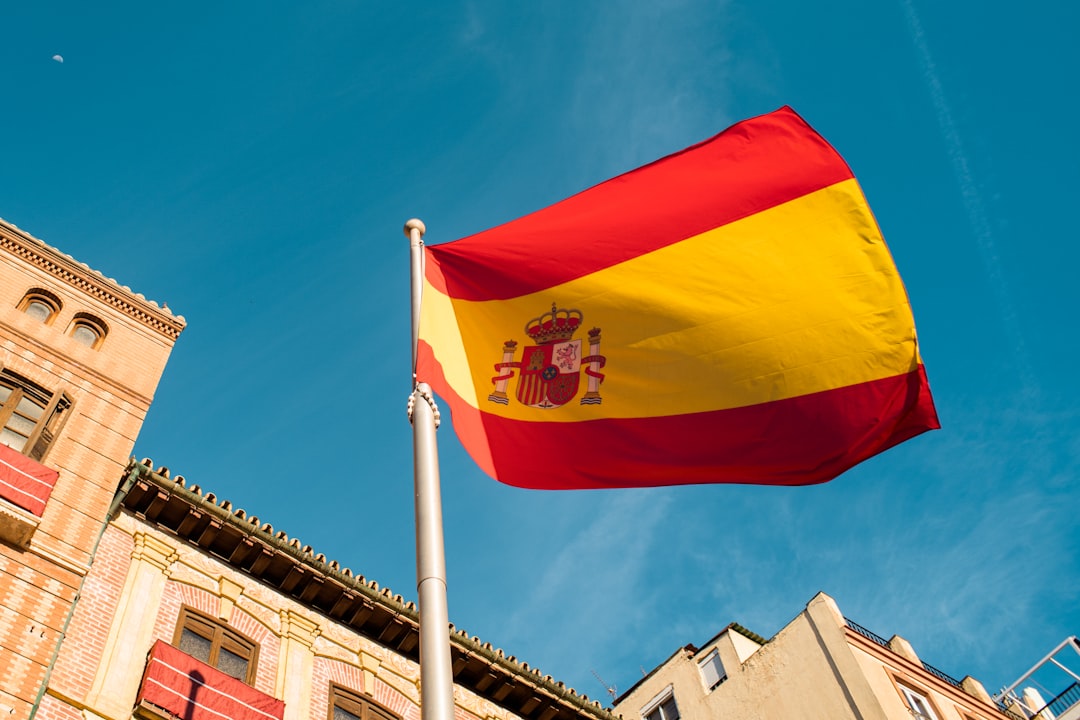
When you first arrive in Spain, your stomach will stage a rebellion. You’ll be ravenous at 7 PM, wandering the streets searching for a restaurant, only to find that most places don’t open for dinner until 9 PM—and the locals won’t show up until 10. Meanwhile, you watched the entire population disappear between 2 and 4 PM for the legendary siesta, but when you peek through shuttered storefronts, you’ll discover that the siesta myth has largely faded while the routine that created it lingers on.
The Spanish daily schedule isn’t random or quaint—it’s a logical adaptation to a specific geography and history, and understanding it transforms you from a frustrated traveler to someone who actually lives like a Spaniard. Let me walk you through a typical Spanish day and explain how to make your body clock work with this beautiful, maddening rhythm.
The Breakfast Nobody Talks About
Your day in Spain starts early. Most Spaniards wake between 7 and 8 AM, just like North Americans or Northern Europeans. But here’s where it gets weird: breakfast is often nothing. Or rather, it’s barely breakfast at all.
The desayuno (breakfast) is typically a café con leche—a milky coffee—with maybe a croissant, toast, or a churro. Some Spaniards just grab the coffee and a medialunas (croissant). It’s not meant to sustain you until noon. It’s meant to start your day and ease you toward the main event: the 2 PM lunch.
This actually makes sense once you realize that the Spanish day is organized around work schedules and heat, not around equally-spaced meals. Breakfast is fuel for the morning push.
The Late Lunch (Comida): Spain’s Most Important Meal
Around noon, Spanish work rhythms shift. By 1:30 PM, many offices and businesses are preparing to close. By 2 PM, the streets of Spanish cities empty out. This isn’t everyone heading to the beach—it’s the entire country sitting down to the comida, the midday meal. This is the main event. This is lunch, but not as you know it.
The comida typically runs from 2 to 4 PM, sometimes longer. It’s a three-course experience: an appetizer (primer plato), a main course (segundo plato), and often a dessert or cheese course. A menu del día (menu of the day) at a casual restaurant costs €10-15 and includes a drink. Spaniards take their time. They eat. They talk. They digest.
This is when Spanish restaurants are full. This is when you should eat your main meal if you want the best deal, the freshest food, and the actual experience of Spanish dining. Tourists often skip it because they’re sleeping, visiting museums, or eating a late breakfast, and then they’re shocked at the price and wait time when they show up at 8 PM.
The Siesta Myth (And Why Shops Close Anyway)
Here’s the truth about the siesta that travel blogs won’t tell you: most working Spaniards don’t actually nap anymore.
The siesta was born from practical necessity. Spain is hot. Before air conditioning, taking a 2-3 hour break during the hottest part of the day made sense. You’d go home, eat, rest in the cool of your house, and return to work refreshed. Your body’s natural circadian rhythm supports this—we do tend to feel sleepy in the afternoon.
But modern Spain has air conditioning, and modern Spaniards have increasingly rushed lives. Many workers now take a 30-minute break or skip rest altogether. Cities like Madrid and Barcelona have shifted toward more Northern European schedules. Some people grab lunch near their office and never go home.
So why do Spanish shops and offices still close between 2 and 4 PM?
Tradition. Regulation. Logistics. Restaurant workers need time to eat. Banks have always closed then. Government offices operate on old rules. And crucially, many Spanish people still prefer this rhythm—it’s not just history, it’s a deliberate choice to maintain work-life balance. In a country where families still matter more than overtime, the extended lunch break is sacred.
As a traveler, this means: plan accordingly. Don’t try to visit a government office or pick up something at a small shop at 3 PM. Accept that this is part of Spanish life and use the time to rest yourself, have a leisurely lunch, or explore a museum without the afternoon crowds.
The Paseo: The Evening Stroll
By 5 or 6 PM, people return to work. But by 8 PM, something magical happens: the streets fill again.
This is paseo time—the evening promenade. In every Spanish town and city, locals emerge to walk, socialize, and be seen. Families push strollers. Teenagers link arms. Couples hold hands. It’s not exercise (though it involves walking). It’s not tourism (though visitors participate). It’s a profound social ritual, a daily opportunity to be part of your community.
The paseo happens on the main plaza, the central paseo (walking street), or along a central avenue. It’s most notable in smaller towns, but even Barcelona’s Ramblas or Madrid’s Paseo del Prado function as extended versions of this same impulse: the need to be together in a public space.
During paseo, ice cream shops, churrerías, and drink stands do brisk business. You’ll see the whole cross-section of society out. It’s free entertainment, social connection, and a daily reminder that life happens between work and home, in the public square.
The Aperitivo and Tapas Hour
By 8 or 9 PM, Spaniards start getting hungry. But they don’t go straight to dinner. They go out for drinks and tapas.
This is the aperitivo time—a pre-dinner social gathering, often at a bar, where you drink a glass of wine, beer, or vermouth and eat small plates of food. In many Spanish cities, tapas are free when you buy a drink. In others, you pay per plate. It’s social, informal, and delicious.
This is when locals meet friends. This is when you see people dressed up but standing at the bar, not seated. This is when the energy is highest and the experience most authentically Spanish.
The aperitivo serves a crucial function: it’s the transition from work day to evening. It’s also a buffer—by the time dinner actually happens, you’ve had food, drink, and company. You’re relaxed.
The 10 PM Dinner
By 10 PM, Spanish restaurants are finally full of locals. A proper cena (dinner) is smaller than comida—often just a first and second course, sometimes just soup and a main dish. It’s lighter because it’s eaten late when your body doesn’t need much fuel before sleep.
This is why tourists are often shocked at how Spanish people stay thin while eating rich food—they eat their large meal when they have time to digest it (early afternoon), and keep dinner modest. It’s actually quite logical.
Restaurants serve dinner until 11 PM or midnight, with most kitchens closing by then. If you’re hungry at 10:30 PM, you need to order soon or go elsewhere.
Why Spanish TV Starts at 10:30 PM
While you’re eating dinner at 10 PM, Spanish TV is preparing to air its prime-time shows. The major Spanish channels start their evening programming around 10:30-11 PM, right when most people are finishing dinner and settling in.
This seems insane to people from other countries, but it’s perfectly logical within the Spanish schedule. Spaniards go to bed later than Northern Europeans (often around midnight or 1 AM), so a show at 10:30 PM is prime time. Late-night talk shows air at 1-2 AM. This is normal.
The Historical Reason: Franco’s Time Zone Shift
How did Spain end up on a completely different schedule from its geographic neighbors? Because of fascism.
During the Franco dictatorship (1939-1975), Franco aligned Spain’s time zone with Nazi Germany’s time zone as a political gesture toward the Axis powers. Before this, Spain was on the same time as Portugal and the UK—one hour behind current Spanish time. But Franco changed it, and Spain stayed on that time zone even after the dictatorship ended.
This might seem like a minor detail, but it completely transformed Spanish life. Suddenly, Spanish natural sunrise and sunset times were out of sync with the clock. Sunrise came later, sunset came much later. When the sun hangs in the sky until 10 PM in summer, the natural tendency is to stay up late, eat dinner late, and live a different rhythm than Northern Europe.
Some Spanish economists and scientists have argued for changing back to the original time zone, saying it would align better with Spain’s geography and might improve work productivity and quality of life. But Spaniards have now lived with this schedule for nearly 90 years—it’s woven into the culture. Change would require a national effort and genuine desire for it, which doesn’t really exist. This is just Spain now.
How to Adapt: Practical Advice for Travelers
So how do you actually function on this schedule, especially if you’re only in Spain for a week or two?
First, give yourself two days minimum to adjust. Your body needs time to recalibrate. On day one, you’ll be hungry and confused. By day three, you might actually feel the natural rhythm working.
Eat breakfast and a small mid-morning snack to tide you over until 2 PM lunch. Have fruit, a yogurt, or a bocadillo (sandwich) around 11 AM. Then commit to sitting down for the menu del día lunch. It’s cheap, it’s authentic, and it’s delicious.
Plan your afternoons around siesta closures. Visit that small museum or wander the backstreets between 2-4 PM when tourist crowds are minimal and locals are elsewhere. Use this time for a rest yourself, or embrace it as your personal siesta.
Do the paseo if you can. Put down your phone, lace up your shoes, and walk the main street of your town around 7-8 PM. Feel the rhythm. Chat with locals if you’re comfortable. This is how Spanish life actually happens.
Start with aperitivos around 8-9 PM. This solves your hunger problem, gives you time to experience Spanish bar culture, and preps your body for a later dinner.
Eat a light dinner after 9:30 PM. You don’t need much. Soup, salad, and a small main course. The point is to participate in Spanish rhythms, not to stuff yourself.
Go to bed later than you would at home. Spaniards often aren’t tired until midnight or 1 AM. If you force yourself to bed at 10 PM, you’ll feel jet-lagged and frustrated.
The Bigger Picture: Rhythm Over Rigidity
The Spanish schedule isn’t designed to confuse tourists. It’s designed around a philosophy that relationships, food, and public life matter more than strict efficiency. You can eat at your desk in Barcelona, but it goes against the culture. You can eat a huge breakfast and skip lunch, but you’ll miss the best meal of the day.
The longer you stay in Spain, the more natural this rhythm becomes. By your second week, your stomach will be asking for food at 2 PM, not at noon. You’ll find yourself out for paseo without planning it. You’ll walk into a bar at 8:30 PM and order a drink without thinking twice.
This isn’t just a schedule—it’s an invitation to slow down, to value community, and to remember that eating is social. Once you surrender to it instead of fighting it, Spain’s famous rhythm becomes one of the best parts of traveling there.
Your body clock will thank you, even if your American breakfast habits won’t.




Leave a Reply