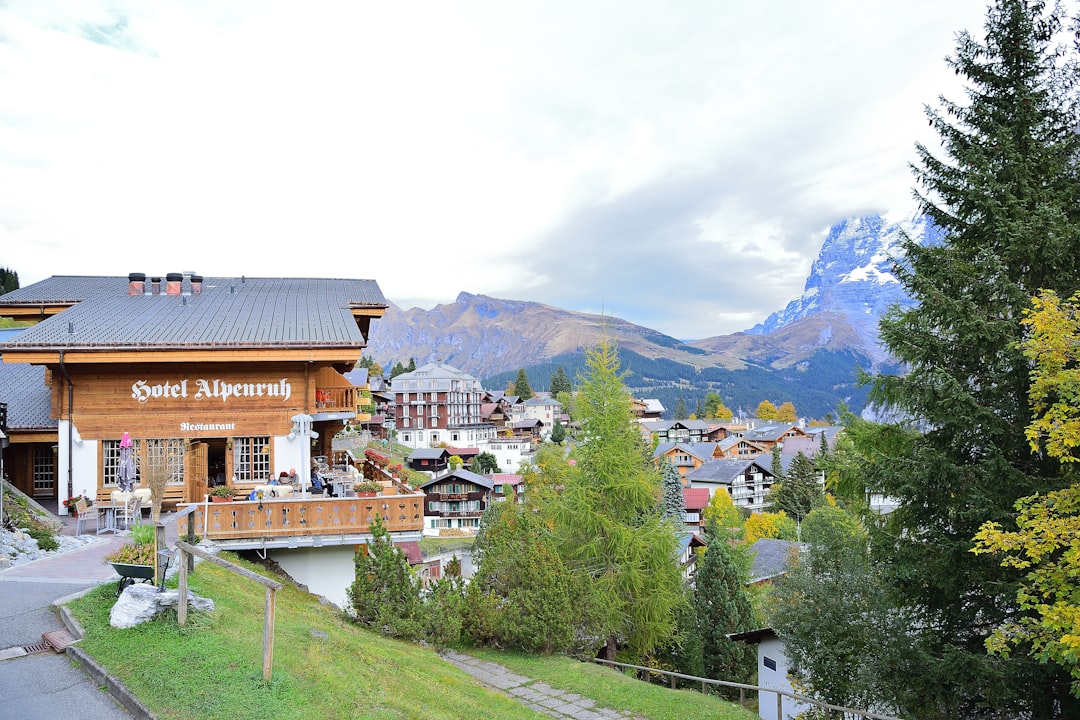
Switzerland has a reputation problem. Mention it as a travel destination and people immediately conjure images of hundred-franc steaks, fifteen-franc coffees, and hotel rooms that cost more per night than a week’s accommodation elsewhere in Europe. And yes, Switzerland is expensive — there is no getting around that. But with some strategic planning and a willingness to trade luxury for authenticity, you can experience the Swiss Alps without emptying your savings account. The mountains do not charge admission, after all, and some of the country’s greatest pleasures are absolutely free.
Free Hiking Trails: The Heart of the Swiss Experience
Switzerland maintains over 65,000 kilometers of marked hiking trails, and every single one of them is free to use. This is not a marginal perk — hiking is the single best way to experience the Alps, and the trail system is meticulously signposted with those iconic yellow markers showing destinations and estimated walking times. You do not need a guide, you do not need to pay an entrance fee, and you do not need expensive gear beyond a good pair of walking shoes and a rain layer.
Some of Europe’s most spectacular walks cost nothing: the Oeschinensee trail above Kandersteg descends to a turquoise mountain lake beneath sheer cliffs; the five-lake walk at Pizol in the St. Gallen region visits a chain of alpine pools at progressively higher elevations; and the Panoramaweg from Männlichen to Kleine Scheidegg delivers a two-hour stroll with the Eiger, Mönch, and Jungfrau directly in front of you the entire way. Pack a lunch and you have a full day of world-class scenery for the price of a sandwich.
Mountain Huts: Affordable Alpine Accommodation
The Swiss Alpine Club (SAC) operates around 150 mountain huts throughout the Alps, and staying in one is both a budget strategy and a cultural experience you should not miss. A dormitory bed typically costs 30 to 50 Swiss francs per night for non-members (members pay less), and a hearty dinner of soup, pasta or Rösti, bread, and dessert adds another 25 to 35 francs. You sleep in communal bunk rooms, eat at long shared tables, and wake to sunrise views that no five-star hotel can match. Reservations are essential in summer, especially on popular routes like the Tour du Mont Blanc or the Haute Route.
The Swiss Travel Pass: A Budget Traveler’s Best Friend
Transportation is one of Switzerland’s biggest expenses, but the Swiss Travel Pass dramatically softens the blow. Available for 3, 4, 6, 8, or 15 consecutive days, the pass gives you unlimited travel on trains, buses, and boats, plus free admission to over 500 museums and a 50 percent discount on most mountain railways and cable cars. A four-day pass costs around 244 francs in second class, and if you are riding trains daily, it pays for itself quickly. The Bernina Express, the GoldenPass Line, and the boat across Lake Lucerne are all included at no extra charge.
Skip Interlaken, Discover Appenzell
Interlaken is the default base for budget travelers in the Bernese Oberland, and it serves that role perfectly well. But if you want to escape the tour-group circuit entirely, head to the Appenzell region in northeastern Switzerland. The village of Appenzell itself is a postcard come to life: painted facades, flower-laden balconies, and a car-free main square where locals still gather for the Landsgemeinde, an open-air democratic assembly held annually since the Middle Ages. Accommodation here costs less than in the big-name resorts, and the hiking is superb — the Ebenalp trail to the Wildkirchli caves and the cliffside Berggasthaus Aescher is one of Switzerland’s most dramatic walks.
Local Cheese Dairies and Farm Visits
In the Appenzell region and across the Alps, small cheese dairies offer free or very cheap tours and tastings. Watching an Alp cheese-maker transform fresh milk into wheels of Appenzeller or Gruyère is genuinely fascinating, and you can often buy directly at prices lower than the supermarket. The Emmental Show Dairy near Affoltern and the Maison du Gruyère in Gruyères are the most famous, but smaller family operations dot every alpine valley and offer more personal encounters.
Eating Well on a Budget
Restaurant dining in Switzerland is undeniably pricey, but you can eat extremely well without sitting down for a formal meal. Swiss supermarkets — particularly Coop and Migros — are your greatest allies. Both chains have excellent prepared food sections with fresh salads, sandwiches, sushi, hot dishes, and pastries at prices that, while still Swiss, are a fraction of restaurant costs. A filling supermarket lunch might run 10 to 15 francs, compared to 25 to 40 at a restaurant.
- Migros restaurants (found above many Migros supermarkets) offer cafeteria-style hot meals for 12 to 18 francs — the best-value sit-down lunch in Switzerland.
- Many museums offer free entry on the first Sunday of the month, and the Swiss Travel Pass includes over 500 museums for free.
- Consider camping: Swiss campgrounds are clean, well-equipped, and cost 15 to 30 francs per person per night, often in stunning locations beside lakes or in alpine meadows.
- Fill your water bottle from public fountains — Swiss tap water is excellent, and decorative fountains in every town and village flow with perfectly drinkable water.
Switzerland will never be a bargain destination, but it does not have to be ruinously expensive either. The secret is to spend your money on experiences — the train rides, the mountain hut stays, the summit hikes — and economize on the everyday expenses of eating and sleeping. The Alps themselves, after all, are priceless and entirely free.




Leave a Reply