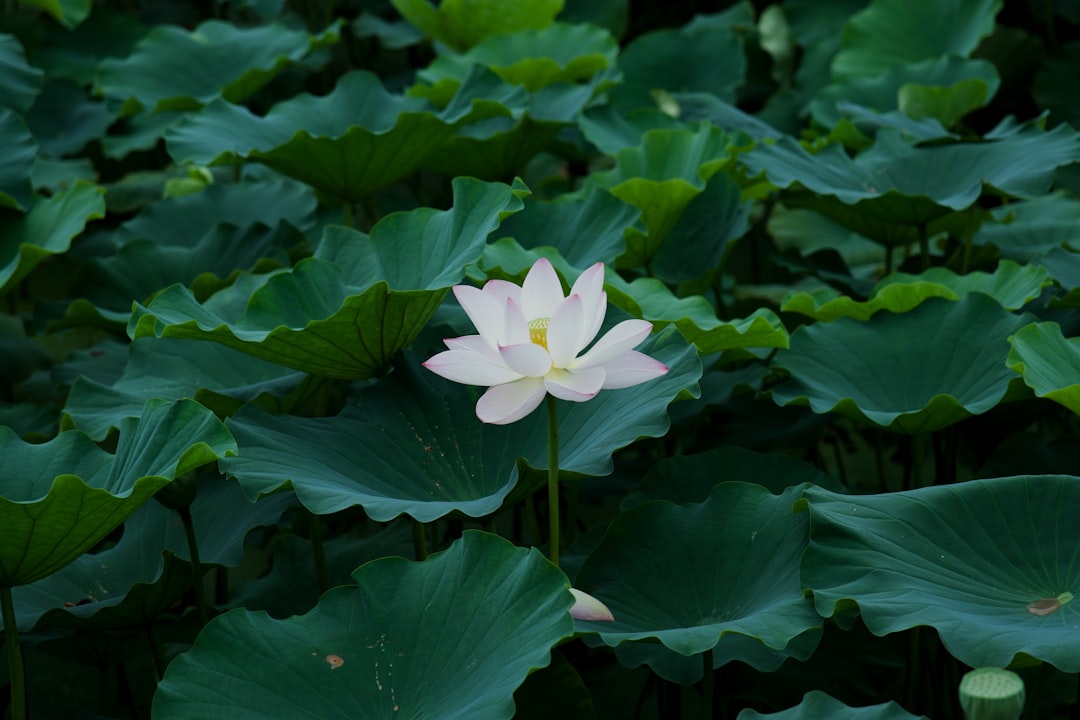
When HBO’s “The White Lotus” shifted from Hawaii to Sicily for its second season, viewers were treated to something extraordinary: a masterclass in location-based storytelling that transformed the stunning island into a character as complex and morally ambiguous as the show itself. Filmed across some of Sicily’s most breathtaking destinations, Season 2 became as much a visual love letter to the region as it was a darkly comedic thriller.
The San Domenico Palace Hotel: Where Art Meets Luxury
The heart of Season 2 beats within the real San Domenico Palace hotel in Taormina, perched dramatically on the slopes of Mount Etna overlooking the Ionian Sea. This five-star property serves as the fictional “The White Lotus” resort, and it’s every bit as spectacular as it appears on screen.
Built in 1615 as a Dominican monastery, the San Domenico Palace has been transformed into one of Sicily’s most prestigious luxury hotels. The production filmed extensively throughout the property, capturing its cloistered gardens, elegant courtyards, and sun-drenched terraces. The hotel’s actual rooms and public spaces become settings for the show’s most intimate scenes—those uncomfortable dinners, tense conversations by the pool, and quiet moments of desperation.
How to Visit: The San Domenico Palace welcomes visitors, though a room will cost you (expect €400-800+ per night depending on season). If you want to experience it without checking in, book a table at the restaurant or have drinks at the bar. The hotel is located at Piazza San Domenico, 5, Taormina. Alternatively, visit during off-season (October-April) when rates drop slightly, or simply walk the hotel’s perimeter to admire its gardens from the outside.
The real genius of filming at the actual hotel rather than building sets is that viewers experience the same spatial disorientation as the characters. The winding hallways, sudden staircases, and multiple levels create natural tension that no soundstage could replicate.
The Greek Theatre: Ancient Drama Meets Modern Television
Taormina’s Greek Theatre (Teatro Antico), one of the most magnificently preserved ancient structures in the world, appears in several Season 2 episodes. Built around 250 BCE, this theatre commands views of Mount Etna and the Ionian coastline that seem almost absurdly cinematic.
The production used the theatre not just as a backdrop but as a thematic element—characters finding themselves dwarfed by centuries of history, their modern problems rendered insignificant against structures that have witnessed millennia. The angles and acoustics of the ancient space create naturally dramatic composition that cinematographer Rina Yang exploited brilliantly.
Visiting Information: The theatre is open to the public year-round. Admission is €10-15 depending on exhibitions. Hours are typically 9am-7pm (shorter in winter). The walk from Taormina’s centro storico takes about 15 minutes uphill—bring comfortable shoes. Visit early morning before tour groups arrive for the best experience and clearest photos. Address: Via del Teatro Antico, 95121 Taormina.
For the truly ambitious, catch one of the summer performances held here (May-September). Concerts and theatrical productions transform the space into something magical.
Cefalù: A Picturesque Town That Actually Welcomes Tourists
The charming coastal town of Cefalù, about an hour’s drive from Taormina, appears in several Season 2 scenes. This isn’t coincidental filmmaking—Cefalù is one of Sicily’s most photogenic locations, with its honey-colored buildings clustering against a dramatic rocky headland (La Rocca).
The town’s medieval character feels authentic because it is. Narrow cobblestone streets wind through a historic center largely unchanged for centuries. The magnificent Cefalù Cathedral, begun in 1131, dominates the waterfront and appears in the show as both a religious landmark and a symbol of the island’s layered history.
Unlike many Italian film locations that have become victim to overtourism, Cefalù has maintained much of its local character. Yes, there are more tourists than there were 20 years ago, but the town hasn’t surrendered entirely to souvenir shops and chain restaurants.
Where to Stay and Eat: Budget accommodation starts at €50-80 per night in small hotels and B&Bs. For dining, Osteria Pepe (Via Ortansa, 46) offers excellent Sicilian seafood without the tourist markup. Try the pasta with sea urchin if available. For pizza, Pizzeria al Forno is local and unpretentious.
Walk the waterfront promenade in late afternoon when light hits the buildings at their best angle. Climb La Rocca (allow 90 minutes roundtrip) for views across northern Sicily. The cathedral interior is free to enter and worth 20 minutes.
Noto and the Val di Noto Baroque Towns
For several Sicilian countryside scenes and the show’s visual representation of rural character, the production drew on the Val di Noto region, a UNESCO World Heritage area famed for its 18th-century baroque architecture. Towns like Noto, Modica, and Ragusa showcase some of Europe’s finest baroque urban planning, with graceful buildings arranged along geometrical streets and dramatic staircases.
Noto in particular was rebuilt after a catastrophic earthquake in 1693, planned from scratch by architects who created a unified baroque masterpiece. The town features a stunning main street (Corso Vittorio Emanuele) lined with palatial buildings and churches, leading to the magnificent Cathedral of San Nicolò.
These settings provide visual counterpoint to the show’s resort scenes—reminders of centuries-old beauty and human resilience that make the contemporary conflicts seem somewhat petty.
Logistics: Noto is about 90 minutes south of Taormina by car (via highway). Parking is available at the lower town; the historic center sits uphill and is best explored on foot. Stay 2-3 hours minimum to walk the main streets, visit the cathedral, and enjoy gelato at Caffè Sicilia (Corso Vittorio Emanuele, 125—considered among Italy’s finest gelaterias). Admission to the cathedral is free; optional museum entries run €3-5 each.
The baroque town aesthetic creates powerful visual contrast with the show’s contemporary resort setting, reinforcing the collision between ancient Sicily and modern tourism.
Syracuse: Ancient Greek Splendor
Syracuse (Siracusa), one of the ancient Mediterranean’s greatest cities, provides atmospheric locations for establishing shots and historical connective tissue. The city was a major Greek colony and rivaled Athens in importance. Walking its historic Ortigia island district feels like stepping into antiquity.
The Archaeological Park of Neapolis contains the stunning Greek Theatre (larger and better preserved than Taormina’s), carved directly into living rock. The feeling of standing in a 2,500-year-old theatre, imagining ancient Greek audiences, creates profound temporal disorientation—exactly the sensation the show cultivates.
Visiting: Syracuse is 60km south of Noto. The archaeological park is open 8:30am-7:30pm (shorter in winter), admission €13. The Ortigia island’s historic district is free to explore; allow 3-4 hours for thorough wandering. Stay overnight to experience the city at different times of day—early morning and sunset light are exceptional.
The Show’s Impact: How Television Transformed Tourism
Season 2 of “The White Lotus” caused immediate, measurable tourism increases across Sicily. Hotel bookings in Taormina spiked 30% in the weeks following the finale. Tourism boards reported increased interest in the “White Lotus trail.” This phenomenon—sometimes called the “White Lotus effect”—demonstrates television’s extraordinary power to reshape travel patterns.
However, this success presents challenges. Taormina and other featured locations face the tension between welcoming tourist interest and preserving authentic local life. Some Sicilian commentators expressed concern that increased tourism might dilute what makes these places special.
Set Design vs. Reality
The production enhanced many locations with set decoration without fundamentally altering architecture. Restaurant scenes involved working with actual establishments while shooting before/after hours. Beach scenes were filmed at real beaches but with crew, craft services, and production equipment creating a temporary movie set.
The genius of location shooting in Sicily is that even enhanced or decorated locations retain their authentic character. You’re not watching a soundstage replica; you’re seeing the actual places, which necessarily carry more emotional and historical weight.
Planning Your White Lotus Season 2 Pilgrimage
The ideal journey would take 5-7 days. Base yourself in Taormina for 2-3 nights to visit the hotel (without guilt—tourists are welcome), the Greek Theatre, and explore the town. Take a day trip to nearby Cefalù. Then make the drive south to Noto or Syracuse for 2-3 nights, experiencing the baroque towns and ancient ruins.
Rent a car (essential for this journey—public transportation connects major towns but is less convenient for the route). Drive the scenic Ionian coast between locations. Stop at small towns along the way. Eat at local restaurants rather than tourist-focused establishments.
Visit in shoulder seasons (April-May or September-October) to avoid peak summer heat and crowds while maintaining good weather. Avoid August when Italy’s summer holiday crowds make everything more challenging and expensive.
Season 2 of “The White Lotus” proved that Sicily didn’t need Hollywood fantasy—reality, properly framed, was spectacular enough. The show became a love letter to a place, even as it depicted characters destroying themselves there. For viewers who watched, visiting these locations becomes almost a pilgrimage, a chance to exist temporarily in spaces where art and reality collide.
The island welcomes you. Bring sunscreen, comfortable shoes, and an appreciation for complexity—both the historical kind visible in baroque architecture and ancient ruins, and the human kind that makes “The White Lotus” so captivating.




Leave a Reply