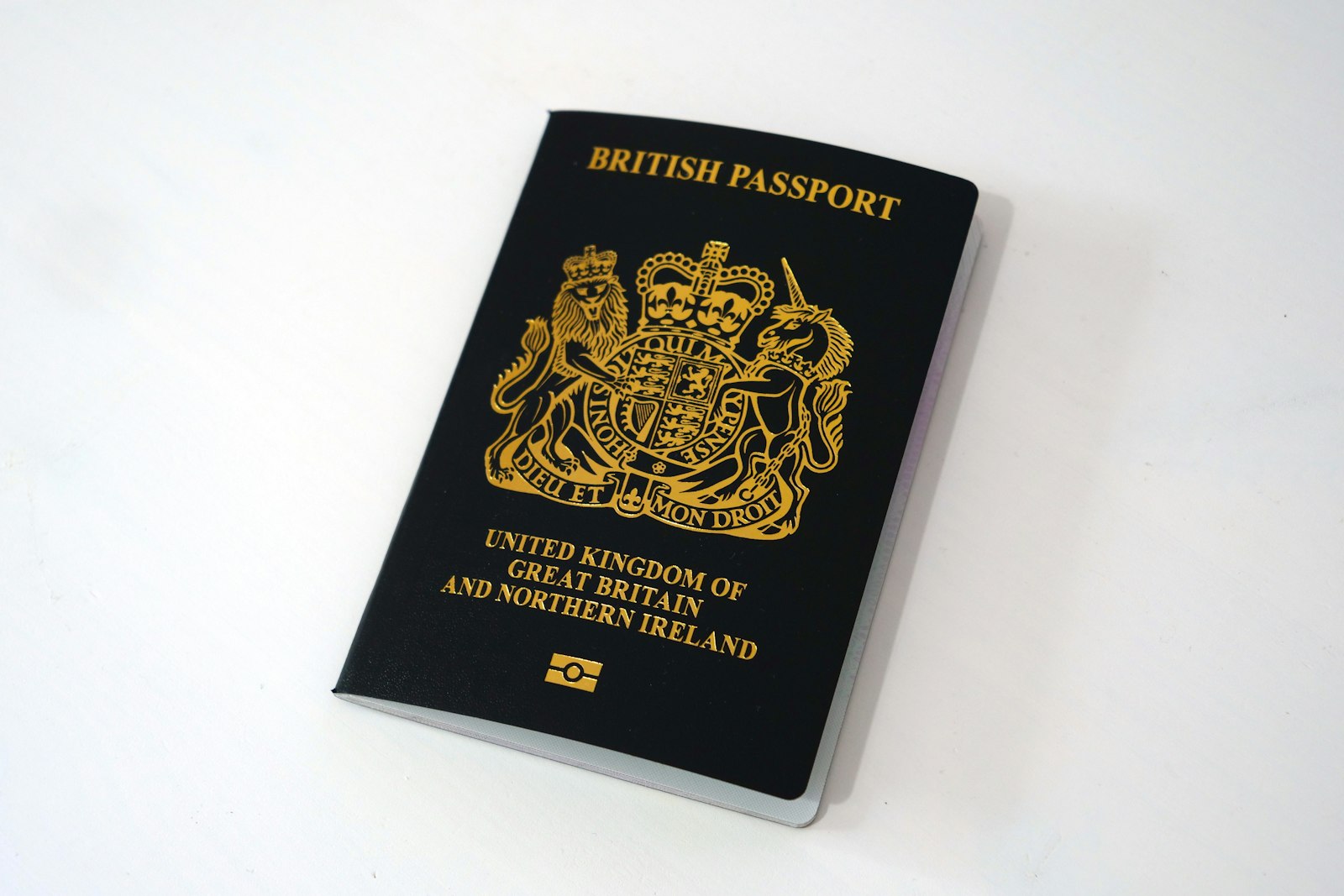
The UK’s immigration system underwent dramatic reforms following the 2020 Brexit transition. Unlike the open freedom Americans once enjoyed, the current system is points-based and restrictive. However, multiple pathways exist for Americans to secure residency. Understanding each option is crucial before deciding whether UK relocation is feasible for your circumstances.
Six-Month Tourist Visa: The Automatic Gateway
The simplest UK entry is the six-month Standard Visitor visa, granted automatically to American passport holders. This allows you to visit, holiday, and explore, but explicitly prohibits work or study. The six-month clock begins at your port of entry, whether you use the entire period or leave earlier.
The tourist visa route works well for Americans wanting to explore before committing, but it’s not a permanent solution. During this period, you can apartment hunt, network, and research the job market. Many Americans use tourist time to secure employment with a sponsoring employer before their six months expire.
Skilled Worker Visa: The Primary Employment Route
The Skilled Worker Visa is the most common pathway for American professionals relocating to the UK. This route requires an employer to sponsor you and serve as your responsible officer throughout your employment.
The key requirements are straightforward: you need a qualifying job offer, and your employer must sponsor you. The salary threshold typically stands at £26,200 annually, though certain professions (healthcare, education, science) qualify at lower thresholds. Your employer must prove they’ve advertised the position in the UK and cannot find a suitable British worker. The sponsorship process takes 2-4 weeks and requires your employer to pay sponsorship fees (usually £719 for a standard application).
The application process involves completing the visa form with your employer’s sponsorship certificate number, providing financial evidence (bank statements), and submitting biometric information at a visa application center. Processing typically takes 6-12 weeks from application to decision. Standard Visitor visas can be extended during processing if needed.
The Skilled Worker Visa is typically granted for three years, but varies based on your employment contract. Renewals are possible if you remain employed with a sponsoring employer. After five years of continuous residence on a Skilled Worker Visa, you can apply for Indefinite Leave to Remain (ILR), essentially permanent residency.
Global Talent Visa: For Exceptional Achievers
The Global Talent Visa is designed for individuals recognized as leading talents in specific fields: academia, research, arts and culture, digital technology, and sciences. This visa doesn’t require an employer sponsor, making it attractive for self-employed professionals, entrepreneurs, and recognized experts.
To qualify, you need endorsement from a designated competent body in your field. The list includes organizations like the British Academy (academia), the Arts Council (arts), or the British Computing Society (tech). The application process is competitive; you must demonstrate world-leading expertise or significant promise of achieving this status.
This visa typically grants three years of residence. The advantage is independence from employer sponsorship; you can change jobs or work freelance. After five years, you become eligible for ILR.
Innovator Founder Visa: For Entrepreneurs
The Innovator Founder Visa exists for entrepreneurs wanting to establish a business in the UK. This replaced the previous Start-up Visa and Entrepreneur Visa.
Requirements include: you must have an innovative, viable business idea that meets Home Office criteria, secure endorsement from a licensed body (such as a bank or business organization), and invest a minimum of £50,000 in your venture. You’ll need a detailed business plan, financial forecasting, and proof of funds.
The visa is granted for two years initially, then can be extended for another three years if your business meets specific growth targets. After five years, ILR is available. The advantage is that your family can be included as dependents.
Graduate Visa: Post-Degree Pathway
If you’ve completed a degree at a UK university, the Graduate Visa is available immediately after graduation. This visa requires no employer sponsorship and allows you to work in any field while you look for employment.
The Graduate Visa is typically granted for two years (extended to two years and eight months for postgraduate degrees). During this period, you can work at any salary level in any role. This provides valuable time to secure a Skilled Worker Visa sponsorship while earning UK income.
Student Visa: The Education Route
The Student Visa allows enrollment in full-time educational programs at licensed institutions. This is an excellent pathway if you’re pursuing a degree or substantial professional qualification.
Requirements include an unconditional offer of study from a licensed institution, proof of sufficient funds to cover tuition and living costs, and evidence of English language proficiency. Tuition fees for international students are substantial (typically £10,000-£35,000 annually depending on program), but the UK education system is excellent and internationally recognized.
The Student Visa allows limited work during studies (typically 20 hours weekly during term, full-time during breaks). Upon completing your degree, you’re eligible for the Graduate Visa, providing a clear pathway to longer-term residency.
Youth Mobility Scheme: For Canadians and Select Countries
Unfortunately, the Youth Mobility Scheme is not available to Americans. This visa type exists for bilateral arrangements with specific countries (Canada, Australia, New Zealand, Japan, and others), and the US is not included. Americans under 30 cannot use this route.
Ancestry Visa: The Hidden Gem for Eligible Americans
The Ancestry Visa is surprisingly overlooked by eligible Americans. If you have a British or Irish grandparent, you may qualify for this visa without any job offer or sponsorship requirement.
This visa is granted initially for two years and is renewable indefinitely. The only requirement is demonstrating your ancestry through birth certificates and your grandparent’s birth certificate—no financial investment, no employer sponsorship, and no points test required.
To qualify, your grandparent must have been a British citizen at the time of your parent’s birth, or your grandparent must have been born in the UK. For Irish ancestry, slightly different rules apply but the concept is similar. If you qualify, the Ancestry Visa is one of the easiest pathways to UK residency, though it requires patience navigating genealogical documentation.
Family Routes: Marriage and Partnership
If you have a UK spouse or partner, family visas are available. The Spouse Visa requires proving a genuine and subsisting relationship, demonstrating cohabitation or marriage, and meeting financial thresholds (typically £18,600 annually plus £3,800 per child).
The Family Visa process is comprehensive and invasive—expect home visits, interviews, and extensive documentation of your relationship. Processing times are lengthy (often 6-12 months), and fees are substantial (approximately £1,910 for the visa plus £284 Immigration Health Surcharge per year).
Unmarried partners can apply under the Unmarried Partner route with the same requirements. Same-sex couples have identical rights to different-sex couples. After two years of continuous residence on a Family Visa, you can apply for ILR.
Settled Status and Pre-Settled Status
Americans living in the UK before January 1, 2021 (before the Brexit transition period ended) may have acquired Pre-Settled Status or Settled Status under the EU Settlement Scheme. This transitional arrangement is now closed to new applicants, but important for those who were resident during the transition period.
The Path to Indefinite Leave to Remain (ILR)
Indefinite Leave to Remain is essentially permanent residency in the UK, though it technically requires renewal every 10 years. ILR allows you to remain indefinitely, work any job, access public services, and sponsor family members.
For most visa categories (Skilled Worker, Student, Family, Ancestry), ILR becomes available after five years of continuous residence. Some visa types have different qualifying periods. You must meet continuous residence requirements with limited absences from the UK (typically no more than 180 days in any 12-month period).
Pathway to Citizenship
British citizenship requires five years of ILR (or three years if married to a British citizen). The citizenship process involves passing the Life in the UK test, demonstrating English language proficiency, and paying substantial fees (currently £1,330 plus £80 per family member).
Citizenship offers the ultimate security, allowing you to vote, sponsor family members unrestricted, and travel on a British passport. Most long-term expats eventually pursue citizenship, though many maintain dual nationality with the US.
Post-Brexit Reality Check
Brexit fundamentally changed UK immigration. Free movement ended. The points-based system prioritizes British citizens and those with in-demand skills or substantial wealth. Americans with specialized expertise, excellent qualifications, or family connections find clear pathways. Those without these advantages face genuine restrictions.
The system heavily favors employers who can sponsor workers, making employment-based immigration the dominant route. Self-employed Americans and those without job offers must pursue alternative pathways (Ancestry, Student, Investor visas) or establish family connections.
Processing times have increased significantly since Brexit, with many categories now waiting 8-12 weeks for decisions. Fees continue rising annually. Plan accordingly with patience and financial buffers.
Choosing Your Pathway
Your visa pathway depends on your circumstances. Employed professionals should pursue Skilled Worker sponsorship. Entrepreneurs have the Innovator Founder route. Those with British ancestry should investigate the Ancestry Visa. Students should consider the education pathway. Those in recognized fields should explore the Global Talent option.
No single pathway works for everyone. Honestly assess your qualifications, financial position, and eligibility. Consulting a UK immigration solicitor (typically £200-£500 for initial consultation) is wise investment if your situation is complex. Understanding which route is available and realistic for your circumstances is the crucial first step in your UK relocation journey.




Leave a Reply