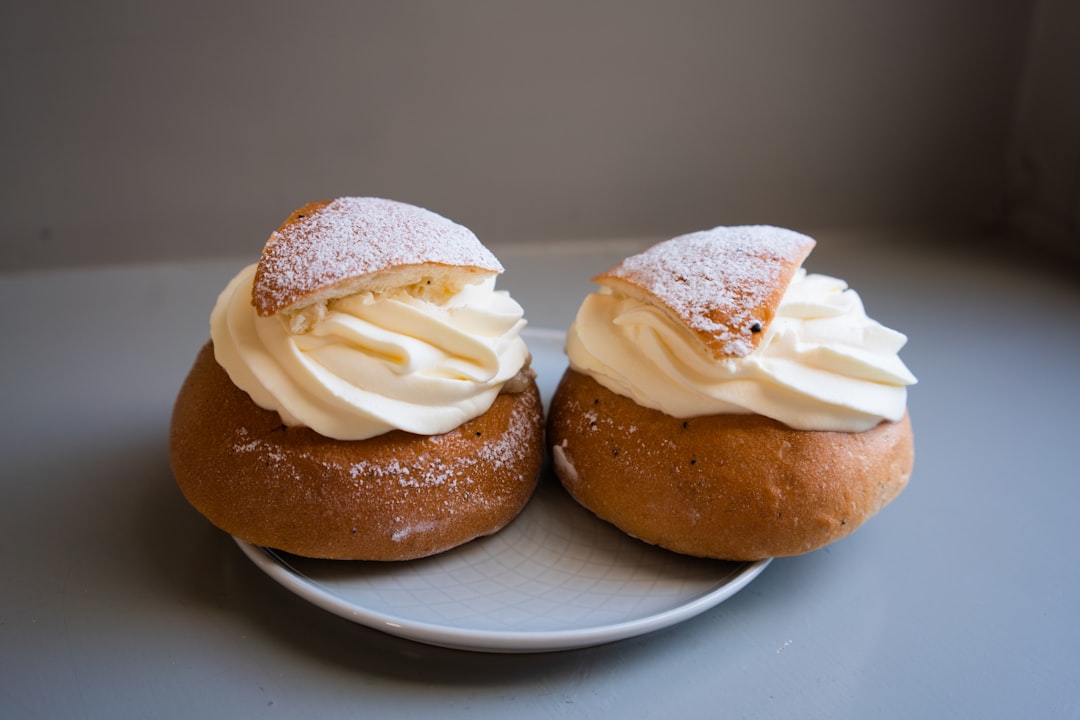
If you spend any time in Sweden, you will encounter the word “fika” within your first few hours. A colleague will suggest taking fika. A sign outside a café will advertise fika specials. A friend will invite you for fika as casually as an American might suggest grabbing coffee. But fika is not simply a coffee break. It is a social institution so deeply woven into Swedish life that understanding it may be the single best key to understanding Swedish culture itself.
More Than a Coffee Break
At its most basic, fika involves drinking coffee (or tea) and eating something sweet, usually a pastry. The word can be used as both a noun (“Let’s have fika”) and a verb (“Shall we fika?”). Etymologically, it is believed to be a 19th-century slang inversion of “kaffi,” an older Swedish word for coffee. But reducing fika to its ingredients misses everything that matters about it.
Fika is about pausing. It is about sitting down, preferably with other people, and creating a pocket of calm in the day. It is about conversation that ranges from the trivial to the profound but is never rushed. It is about the radical notion that productivity improves when you regularly stop being productive, and that human connection is not a distraction from work but a foundation for it.
The Sacred Kanelbulle
The most iconic fika pastry is the kanelbulle — the Swedish cinnamon bun. These are not the oversized, frosting-drenched cinnamon rolls found in American malls. A Swedish kanelbulle is more restrained: a soft, cardamom-scented dough rolled with cinnamon and sugar, often topped with pearl sugar rather than glaze. They are sold in virtually every café, bakery, and convenience store in the country, and Sweden even has a national Cinnamon Bun Day (Kanelbullens dag) on October 4.
Other classic fika accompaniments include chokladbollar (chocolate oat balls rolled in coconut or pearl sugar), mazariner (small almond tarts), and various slices of cake. Prinsesstårta, the dome-shaped cake covered in green marzipan, is a perennial favorite. During Lent, semlor — cardamom buns filled with almond paste and whipped cream — dominate every bakery display case.
Fika at Work
In many Swedish workplaces, fika is not optional. It is scheduled, usually twice daily — once in the mid-morning around 10:00 AM and again in the mid-afternoon around 3:00 PM. Employees gather in a break room or kitchen, coffee is brewed (Swedes are among the world’s top per capita coffee consumers), pastries appear, and for fifteen to thirty minutes, people talk. Not about work, necessarily, though work topics are not forbidden. The point is to be together as people rather than as job titles.
Swedish managers understand that fika is not wasted time. It builds the informal relationships and mutual understanding that make collaboration smoother. It flattens hierarchies, since the CEO and the intern share the same coffee and the same table. Studies from Swedish universities have found that regular fika breaks correlate with higher job satisfaction and lower workplace stress. Some companies even make attendance at fika quasi-mandatory, viewing it as essential to team cohesion.
Where to Fika in Stockholm
Stockholm is full of excellent fika spots. Vete-Katten, opened in 1928, is a beloved institution on Kungsgatan with its warren of cozy rooms and legendary pastry selection. Café Pascal in Vasastan offers a more modern take, with specialty coffee and beautifully crafted pastries. For something historic, try Sturekatten, tucked above street level and decorated like a grandmother’s parlor. In Gamla Stan, the old town, Chokladkoppen on Stortorget is a tourist favorite but still charming, especially on a winter afternoon when the square is quiet and the hot chocolate is thick.
Fika vs. Coffee To Go
The rise of takeaway coffee culture has reached Sweden, and you will see people walking with paper cups. But this is not really fika. Grabbing a latte on the run is just drinking coffee. Fika requires sitting down. It requires being present. It requires, ideally, another person, though solo fika with a good book is also perfectly acceptable. The distinction matters because it reveals what fika is really about: not caffeine, but intention. The deliberate decision to stop, breathe, taste something sweet, and remember that life is happening right now, not just at the end of some to-do list.
For visitors to Sweden, the best way to understand fika is simply to practice it. Choose a café, order a coffee and a kanelbulle, sit down, and stay for a while. Watch the Swedes around you. Notice how unhurried they seem, how the conversation flows, how nobody is looking at the clock. This is not inefficiency. This is a culture that has figured out something important about what makes a day — and a life — worth living.




Leave a Reply