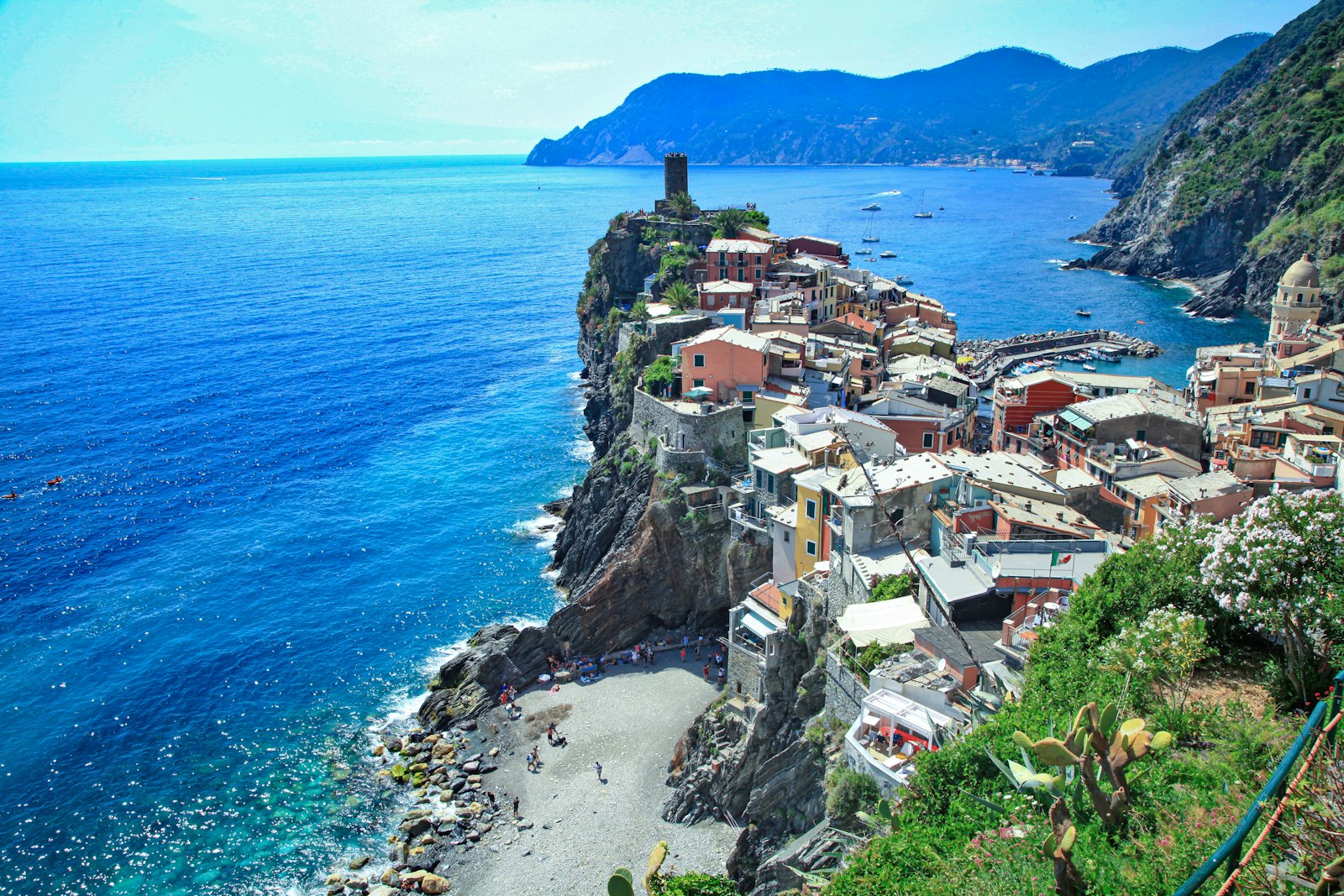
Cinque Terre—the five impossibly beautiful villages stacked on cliffsides along the Italian Riviera—is on nearly every traveler’s bucket list. Colorful buildings clinging to dramatic cliffs, hiking trails connecting villages, fresh pasta and pesto, and some of the most photographed sunsets in Italy. But here’s the question that stumps people: where exactly should you stay when you visit this unique UNESCO World Heritage site?
The answer is: it depends on your travel style, but each of the five villages offers a completely different experience. Let’s break down each village and help you figure out where you actually want to sleep during your Cinque Terre adventure.
Why Staying In Cinque Terre Actually Matters
First, the important thing: staying IN one of the five villages rather than commuting from nearby La Spezia or other towns is genuinely worth it. The trains connecting the villages are constant, the villages come alive at different times, and experiencing the place at sunset and early morning is magical. Staying elsewhere and commuting costs you this experience.
Yes, hotels and rooms in Cinque Terre villages are pricier than staying outside. But you’re paying for location, and location is literally the whole point here. Plus, many Cinque Terre accommodations are small guesthouses and family-run places, not big chains, which actually adds value in terms of experience.
The five villages are: Monterosso al Mare, Vernazza, Corniglia, Manarola, and Riomaggiore. They’re all connected by hiking trails and trains, but each has its own personality.
Monterosso al Mare: Beach Town Energy
Monterosso is the largest and most developed of the five villages. It has an actual sandy beach, a small boardwalk area, and a more “resort-like” feel compared to its neighbors. If you’ve landed here, you want a place that has decent amenities, some nightlife, and a slightly easier travel experience.
The Vibe:
Monterosso is where you go if you want to be able to walk to a bar without technical difficulty. It’s the most “normal town” of the five. Families with kids often gravitate here because of the beach. It feels a bit more touristy, a bit less like a secret hidden village.
Best For:
- Families with younger kids
- People who want a beach component to their Cinque Terre visit
- First-time visitors who want the full village experience but with more comfort
- People who don’t want to feel like they’re climbing stairs to get everywhere
Hotel and Accommodation Options:
Monterosso Alto (the old village):
Monterosso Nuovo (the beach area):
Logistics:
Monterosso has the most tourist infrastructure. Train station is relatively accessible. Hiking trails leave from here. Restaurants are plentiful and variable in quality.
The Real Talk:
Monterosso sometimes feels like it’s not quite as “special” as the other villages because it’s more developed. But it’s genuinely the best choice if you want comfort, ease, or are traveling with family. Don’t feel like you’re settling if you pick here.
Vernazza: Photographic Perfection
Vernazzo is the postcard village. It’s what shows up in every Pinterest board about Cinque Terre. Houses in impossible colors directly on the water, a tiny harbor where boats are tied up, and basically zero level ground anywhere. It’s stunningly beautiful and also fairly intense as a place to live for multiple days.
The Vibe:
Vernazzo is undeniably gorgeous, but it’s also crowded (especially mid-day), vertical (you’re constantly climbing stairs), and touristy in a specific way: everyone is here to take photos of that exact view. The village itself is built almost vertically up a cliff, so living here means a lot of stairs.
Best For:
Hotel and Accommodation Options:
Vernazzo is small—like, really small. There are no big hotels here. You’re looking at rooms in houses, guesthouses, and small family operations.
Budget options: 70-120 euros per night. Simple rooms in local houses, often with minimal amenities. Places like Rooms Vernazzo or Vernazzo Rooms (basic but clean, run by locals).
Mid-range: 120-200 euros. Small family-run guesthouses with more character. Often includes a small terrace or balcony.
Higher-end: 200+ euros per night. Private rooms with better amenities or the rare room with a decent harbor view.
Fair warning: many Vernazzo rooms are accessed by climbing outside stairs, and many don’t have private bathrooms. This is part of the experience, but it’s worth knowing.
Logistics:
Vernazzo is relatively easy to reach by train. The village is built vertically, so almost anywhere you stay involves stairs. Getting groceries or eating out means navigating crowds during peak hours.
The Real Talk:
Vernazzo is gorgeous, but it’s intense. The constant crowds during mid-day can feel overwhelming. If you’re seeking peace and quiet, this isn’t it. But if you want the most photogenic experience and don’t mind a little chaos, it’s stunning.
Corniglia: The Quiet Option
Corniglia is the smallest and quietest of the five villages. It’s also the only one NOT directly on the water—it’s perched high on the cliffs. This means fewer day-trippers coming by boat, fewer crowds, and a genuinely different feel from its neighbors.
The Vibe:
Corniglia is where you go when you want the Cinque Terre experience but without the absolute madness of crowds. It’s small, quiet, family-oriented, with a strong local community feel. You can sit in the main square without being surrounded by 500 other tourists. But you’re also genuinely isolated—fewer restaurants, fewer shops, fewer options.
Best For:
Hotel and Accommodation Options:
Budget: 60-110 euros per night. Small family guesthouses, basic rooms. Genuinely the cheapest place to stay in Cinque Terre.
Mid-range: 110-180 euros. Small hotels or guesthouses with reasonable comfort. Places like Camere Vernazza Rooms or similar family operations.
Higher-end: 180+ euros. More comfortable rooms, possibly with better views or amenities.
Logistics:
Train access exists but fewer trains stop here. No beach. Limited restaurants (maybe 5-8 good options in the entire village). Nearest grocery is a walk away, but the walk is scenic.
The Real Talk:
Corniglia is undiscovered gem territory. If you want to feel like you’ve found a place that hasn’t been completely overrun by tourism, this is it. But you’re trading convenience for authenticity. Come here if you’re okay with “having to walk to find dinner” as a feature, not a bug.
Manarola: The Romantic Middle Ground
Manarola is charming without being overwhelming. It’s got that postcard-village feel but slightly less intensely than Vernazzo. It’s on the water, photogenic, has decent restaurants, and maintains a bit of authenticity. It’s honestly the sweet spot for many travelers.
The Vibe:
Manarola feels like the balanced choice. You get the Italian village experience with scenery, decent amenities, but you’re not constantly drowning in crowds. There’s a small harbor area, a few good restaurants, and that magical quality where locals still seem to actually live here (not just serve tourists).
Best For:
Hotel and Accommodation Options:
Budget: 70-130 euros per night. Small guesthouses, family-run places. Rooms like those in Casa Colombo or similar operations.
Mid-range: 130-220 euros. Larger guesthouses with better amenities. Places like Vernazza Rooms, Manarola Rooms, or small hotels. Often include a terrace or decent window.
Higher-end: 220+ euros. Rooms with views, in renovated traditional buildings, often run by local families who’ve invested in their places.
Logistics:
Train access is good. Walking paths are maintained. A decent selection of restaurants without the overwhelming crowds of Vernazzo.
The Real Talk:
Manarola is the goldilocks choice—not too much, not too little. If you’re unsure which village to pick, this is a safe bet. It’s legitimately beautiful without feeling like you’re performing tourism.
Riomaggiore: The Gateway Village
Riomaggiore is the southernmost village and often the first one visitors encounter when coming from La Spezia. It’s got that village charm, a small harbor, and is slightly less intense than Vernazzo but more developed than Corniglia.
The Vibe:
Riomaggiore feels like a real village that happens to be very photogenic. It’s busy during the day but settles down in the evening. Locals use it as an actual place to live, not just a tourist destination. It’s accessible, charming, and genuinely nice without being overwhelmingly crowded.
Best For:
Hotel and Accommodation Options:
Budget: 70-120 euros. Small guesthouses, rooms in local homes.
Mid-range: 120-200 euros. Family guesthouses with decent amenities. Places like Rooms Riomaggiore or similar.
Higher-end: 200+ euros. Better-maintained rooms, possibly with terraces or better views.
Logistics:
Train station is very accessible. Good restaurant options. Hiking trails are well-marked.
The Real Talk:
Riomaggiore is solid but slightly less distinctive than Vernazzo or Manarola. It’s a great choice if you’re entering from the south or want easy logistics. You won’t regret it, but you also won’t feel like you’ve discovered something secret.
Budget Tips for Staying in Cinque Terre
Skip the Hotels, Look for Rooms:
Most Cinque Terre accommodations are small rooms in family houses rather than hotels. These are often cheaper and more atmospheric. Use websites like Airbnb, Booking.com, and Rooms.com specifically filtering for “rooms” rather than “hotels.”
Off-Season Pricing:
June or September offer shoulder season prices (15-30% cheaper than July-August) with decent weather. October and April are cheaper still but riskier weather-wise.
Stay Multiple Nights:
Most rooms charge slightly less per night if you stay 3+ nights. Cinque Terre rewards longer stays.
Avoid Peak Hours:
Rooms with views command premium prices. Rooms without views in back streets cost 20-40% less and are often fine (you’re not spending much time in your room anyway).
Consider Staying Just Outside:
If Cinque Terre prices are brutal, staying in La Spezia (20-30 minutes by train) and day-tripping saves 30-50% on accommodation. You lose the early morning/evening village vibes but save significantly.
Which Village Should YOU Choose?
Choose Monterosso if: You want comfort, family-friendly amenities, beach access, or this is your first visit.
Choose Vernazzo if: You want the most photogenic village and don’t mind crowds or stairs.
Choose Corniglia if: You want authenticity, quiet, and don’t need tons of restaurants.
Choose Manarola if: You want balance—charm with reasonable comfort and amenities.
Choose Riomaggiore if: You’re entering from the south or want easy logistics with village charm.
Practical Final Advice
Booking:
Book accommodation 2-3 months in advance for high season (June-August), earlier if possible. Many small guesthouses fill quickly.
Getting There:
You’ll likely arrive by train from La Spezia (the nearest big town with an airport connection). The train is the best way to explore all five villages.
What to Pack:
Comfortable walking shoes (you’ll be climbing stairs constantly), light layers (weather changes rapidly), and swimwear if you want to access small beach areas.
Eating:
Book restaurants in advance during peak season, especially in Vernazzo and Manarola. Monterosso has the most restaurant options.
Time:
Minimum 2 nights to experience the villages properly. 3-4 nights lets you actually settle in and explore hiking trails without rushing.
Cinque Terre is genuinely one of Europe’s most special places. Where you stay matters, but what matters more is that you actually stay IN the villages rather than commuting from elsewhere. Each village is special in its own way, and honestly, you probably can’t go wrong. Pick based on your travel style, book early, and prepare to fall in love with a place that’s been carefully preserved for centuries while also being thoroughly discovered by the modern travel world.
The five villages are waiting. The question is just which one feels like home for your visit.




Leave a Reply