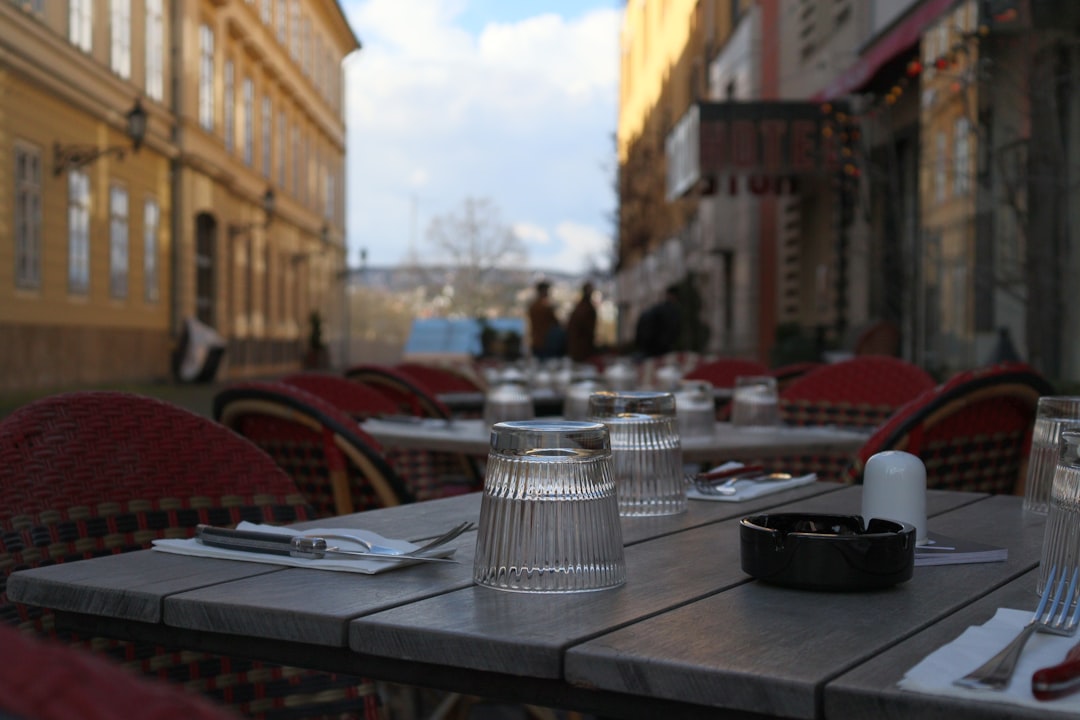
You sit down at a sidewalk café in Rome, parched from a long morning of sightseeing, and order a Coca-Cola. It arrives at room temperature with nary an ice cube in sight. You ask for ice and receive a single, lonely cube floating in your glass like a translucent life raft. Welcome to Europe, where the American obsession with ice-cold beverages is met with polite bewilderment.
This is one of the most common culture shocks for North American travelers, and it runs deeper than mere preference. The European relationship with ice — or rather, the lack of one — reflects centuries of culinary philosophy, practical economics, and fundamentally different ideas about what makes a drink enjoyable.
The Flavor Argument
Ask a French sommelier why wine is served at cellar temperature rather than ice cold, and you will receive a passionate lecture on how cold numbs the palate. This philosophy extends well beyond wine. Many Europeans believe that beverages served at or near room temperature deliver more nuanced flavors. A Belgian beer aficionado will tell you that a Trappist ale served at 12°C reveals layers of fruit, spice, and malt that would vanish beneath a pile of ice. Even soft drinks, Europeans argue, taste more complex when they are not arctic cold. There is some science behind this: taste receptors are indeed less sensitive at very low temperatures, which is why cheap beer commercials always emphasize coldness — it masks the flavor.
Practical and Economic Realities
European refrigerators are, on average, significantly smaller than their American counterparts. A standard European fridge might be half the size of a typical American model, and freezer space is at a premium. Devoting precious freezer real estate to ice cube trays when you could store frozen peas or gelato is, for many households, an absurd proposition. Commercial ice machines, ubiquitous in American restaurants, represent an additional expense that European restaurant owners have historically seen little reason to bear.
There is also the economic angle from the restaurant side. In America, a glass full of ice means less liquid per serving. European consumers, however, expect a full glass of the drink they ordered. Filling half the glass with ice would be perceived as a minor swindle. When you pay three euros for a Fanta in Munich, you expect three euros worth of Fanta.
The Tap Water and Bottled Water Divide
The ice question is tangled up with a broader debate about water itself. In much of continental Europe, restaurants default to bottled water — still or sparkling — rather than tap water with ice, as American restaurants do. Ordering tap water in France was once considered mildly gauche, though this has changed significantly. In Italy, you will almost always be offered acqua naturale or frizzante. In Germany, sparkling water (Sprudel) is so dominant that still water is sometimes labeled as the unusual option. When your water arrives in a sealed bottle, adding ice feels redundant.
Regional Exceptions and Shifting Norms
Not all of Europe is equally ice-averse. Spain, particularly in its scorching southern regions, has a more relaxed relationship with ice. Order a tinto de verano in Seville in August and it will arrive gloriously cold. The United Kingdom, heavily influenced by American culture, increasingly offers ice as a default in chain restaurants. Scandinavia, despite its cold climate, has also adopted ice more readily than Mediterranean countries. And across the continent, younger Europeans who have traveled to the United States or consumed American media are warming — or rather, cooling — to the idea.
How to Get Ice If You Want It
If you simply cannot abide a warm drink, you can ask. In French, say “avec des glaçons, s’il vous plaît.” In Italian, “con ghiaccio, per favore.” In German, “mit Eis, bitte.” Most servers will oblige, though you may still receive fewer cubes than you expect. At hotel bars and tourist-oriented restaurants, ice is increasingly available without asking. But at a traditional trattoria in Tuscany or a neighborhood bar in Lisbon, consider embracing the local custom. That room-temperature lemonade might just taste better than you think — and you will blend in far more gracefully than the tourist loudly demanding a bucket of ice.
Ultimately, the ice divide is a small but telling window into how culture shapes even our most basic expectations. Neither approach is wrong. But understanding why your drink arrives without ice — rather than fuming about it — is one of those small acts of cultural empathy that transforms a tourist into a traveler.




Leave a Reply