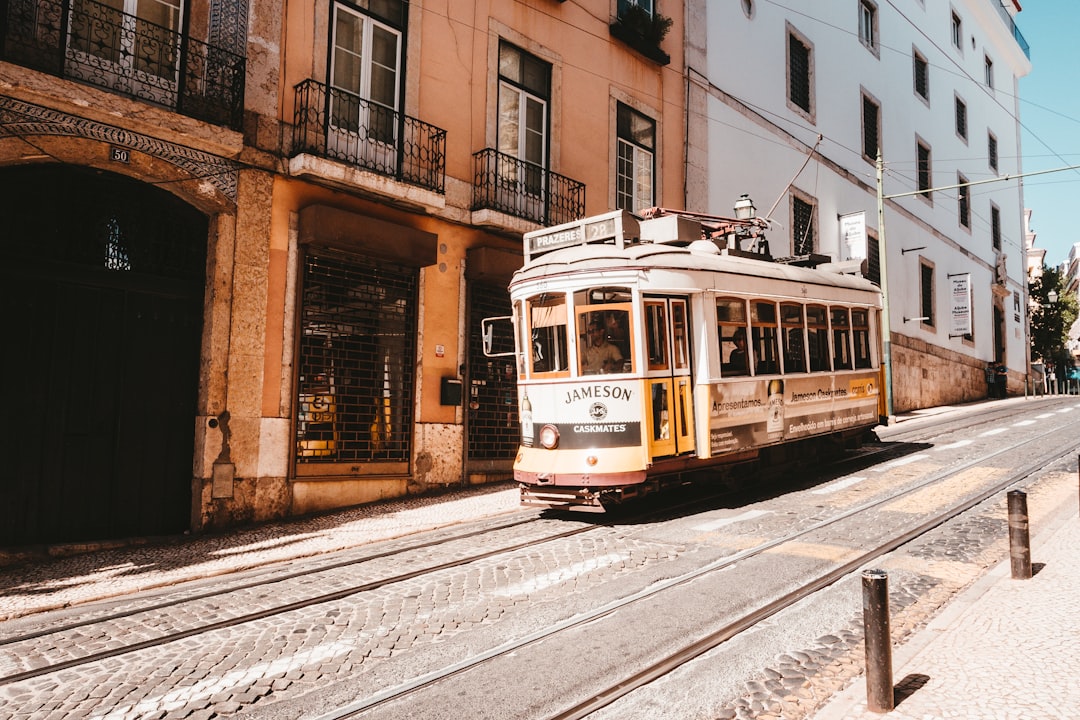
Lisbon has become the city that everyone seems to be talking about, moving to, or at least posting about on social media. Over the past decade, the Portuguese capital has transformed from a slightly faded, beautifully melancholic city on the western edge of Europe into one of the continent’s hottest destinations—a magnet for digital nomads, tech startups, retirees, foodies, and travellers seeking sunshine, culture, and affordability. That last quality is eroding fast, driven in no small part by the very influx it attracted, but Lisbon’s fundamental appeal—its light, its soul, its ability to make you feel like life should be lived more slowly—endures. Here is the city as it stands today, warts, pastéis, and all.
Alfama: Where Lisbon Keeps Its Soul
Alfama, the oldest district, spills down the hillside from the São Jorge Castle to the waterfront in a tangle of narrow alleys, tiled stairways, and miniature squares where old men play cards and someone’s radio plays fado from an open window. This neighbourhood survived the devastating earthquake of 1755 that flattened most of the city, and its Moorish-era street plan remains essentially intact—a labyrinth designed to be walked slowly and without purpose. Get lost here. It is the only way to find the hidden viewpoints, the tiny tascas serving ginjinha in chipped ceramic cups, and the walls covered in azulejo tiles that range from seventeenth-century masterpieces to contemporary street art.
The famous Tram 28 rattles through Alfama on its way between Martim Moniz and Campo Ourique, squeezing through streets barely wider than the tram itself. It is charming, atmospheric, and almost unbearably crowded at peak times—pickpockets are a genuine concern. If you want the experience without the crush, board at either terminus early in the morning or consider the much less famous Tram 25, which covers similarly hilly terrain with a fraction of the passengers.
Belém: Monuments and Custard Tarts
West of the centre, the riverside district of Belém is where Portugal’s Age of Discovery left its grandest monuments. The Jerónimos Monastery, a UNESCO World Heritage site, is a masterwork of Manueline architecture—an ornate late-Gothic style unique to Portugal, decorated with maritime motifs, twisted columns, and carved ropes in stone. The cloisters are among the most beautiful in Europe. Nearby, the Belém Tower, a small fortified tower standing in the Tagus estuary, was the last thing many Portuguese sailors saw as they departed on voyages to Africa, India, and Brazil.
But most visitors to Belém come for one thing: the pastéis de nata at Pastéis de Belém, the bakery that has been producing these custard tarts since 1837 using a secret recipe from the monastery. The queue often stretches down the street, but it moves quickly, and the tarts—warm, crisp, the custard blistered and caramelised, dusted with cinnamon and powdered sugar—justify the wait. Order at the counter and eat standing up, or grab a table in the back rooms, which extend much further than the modest street facade suggests.
Modern Lisbon: LX Factory and the Food Scene
LX Factory, a former fabric manufacturing complex under the 25 de Abril bridge, has been converted into a creative hub of independent shops, design studios, restaurants, and a bookshop (Ler Devagar) housed in a cavernous industrial space with a bicycle suspended from the ceiling. On Sundays, a market fills the central courtyard with vintage clothes, handmade ceramics, and street food vendors. The space captures the tension at the heart of modern Lisbon—creative, dynamic, genuinely exciting, but undeniably gentrified, built on a foundation of rising rents and displaced communities.
The Time Out Market in Cais do Sodré has become one of the most visited food halls in the world, and for good reason—it gathers some of Lisbon’s best chefs and restaurants under one roof, allowing you to eat a meal from a Michelin-starred kitchen for twelve to fifteen euros while sitting at communal tables in a renovated market hall. The ceviche from Marlene Vieira, the steak sandwich from Café de São Bento, and the chocolate cake from Landeau are perennial favourites. Go for a late lunch to avoid the worst crowds.
The Sintra Day Trip
Thirty minutes by train from Lisbon’s Rossio station, the hill town of Sintra is a fairytale landscape of forested mountains, misty gardens, and palaces that look like they were designed by someone who had never heard the word “restraint.” The Pena Palace, painted in canary yellow and terracotta red and perched on a crag above the forest, is a nineteenth-century Romantic confection that mixes Moorish arches, Gothic turrets, Manueline domes, and Renaissance loggias into a single building. It should be absurd. Somehow, it is magnificent. The Quinta da Regaleira, lower on the hill, features an Initiation Well—a spiraling underground tower that descends nine levels into the earth, connected to a network of tunnels that emerge beside a waterfall in the gardens. Sintra is wildly popular, so arrive on the first train and head to the furthest sight first, working your way back as the crowds build.
The Gentrification Question
It would be dishonest to write about Lisbon without addressing the elephant in the room. The city’s tourism boom and the influx of remote workers and foreign residents have driven housing costs to levels that many Portuguese simply cannot afford. Rents in central Lisbon have more than doubled in the past decade. Entire neighbourhoods that were once working-class have been transformed into short-term rental zones. Portugal has introduced regulations on Airbnb-style rentals and golden visa programmes, but the effects are still being felt. As a visitor, you can be part of a more thoughtful approach: stay in locally owned accommodation, eat in neighbourhood restaurants rather than tourist-oriented chains, and be aware that the affordability that drew so many people to Lisbon is not experienced equally by those who were born there.
Despite the changes, Lisbon retains a quality that no amount of gentrification has yet managed to erase: a melancholic beauty, a warmth in its people, a light that gilds the city’s seven hills every evening in gold and amber. It remains one of Europe’s great cities. Visit with open eyes, spend your money thoughtfully, and let the place work its particular magic on you.



Leave a Reply