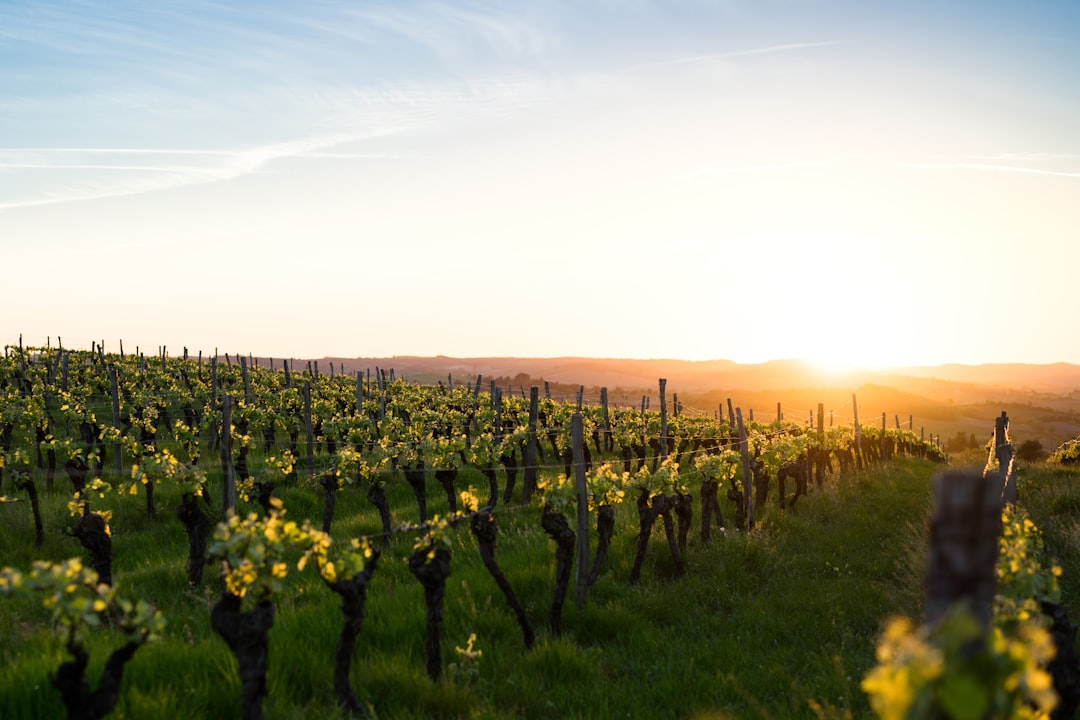
Bordeaux and Tuscany are magnificent. They’re also expensive, crowded, and increasingly aimed at tourists who arrive by luxury coach. The good news is that Europe is awash in wine regions producing world-class bottles at prices that would make a Napa sommelier weep. Here are the regions where you can taste extraordinary wine, stay in lovely accommodation, and still have money left for dinner.
Alentejo, Portugal
The Alentejo stretches across southern Portugal like a golden tablecloth, all rolling cork oak forests and whitewashed villages. Wine here is generous, warm, and unpretentious — much like the people who make it. Rich reds from native grapes like Aragonez, Trincadeira, and Alicante Bouschet offer the kind of full-bodied pleasure that would cost three times as much if the label said Chateauneuf-du-Pape. Tasting rooms at estates like Herdade do Esporao or Adega da Cartuxa charge five to ten euros for a full tasting. A beautiful bottle costs six euros at the local shop. Accommodation in converted farmhouses (montes) runs sixty to ninety euros a night, and restaurant meals with wine rarely exceed twenty-five euros per person.
Languedoc, France
The Languedoc is France’s largest wine region and its best-kept secret. While Bordeaux chateaux charge thirty euros for a cellar tour, most Languedoc vignerons will pour you a glass for free while chatting about their vines. The region produces extraordinary value across styles: robust Minervois reds, elegant Pic Saint-Loup, roses from the coastal areas around Picpoul de Pinet that rival Provencal bottles at a quarter of the price. The medieval town of Carcassonne makes an excellent base, and the Canal du Midi offers cycling routes that pass vineyard after vineyard. Superb bottles start at four euros, and a gite rental for a week costs what a single night at a Burgundy chateau hotel would run.
Puglia, Italy
Puglia, the heel of Italy’s boot, was long dismissed as a bulk wine region. That reputation is now wildly outdated. Primitivo di Manduria produces lush, jammy reds that rival California Zinfandels (they’re related grapes). Negroamaro, the other great Puglian variety, makes dark, earthy wines with notes of black olive and dried herbs. The trulli houses of the Itria Valley provide unforgettable accommodation, and the food — orecchiette with turnip tops, burrata so fresh it weeps cream — makes every meal an event. Winery visits are often free, bottles cost three to eight euros, and you’ll share the landscape with a fraction of the tourists choking the roads of Chianti.
Tokaj, Hungary and Wachau, Austria
Tokaj, in northeastern Hungary, produces one of the world’s great sweet wines — Tokaji Aszu, once called the “Wine of Kings.” But the region also makes outstanding dry Furmint that’s gaining a cult following among sommeliers. Tasting fees at historic cellars like Disznoko or Oremus are five to eight euros, and you can buy a bottle of Aszu 5 Puttonyos — a wine that Louis XIV served at Versailles — for under twenty euros. Further north, Austria’s Wachau valley along the Danube is one of the most beautiful wine landscapes on earth. Terraced vineyards cling to steep slopes above the river, producing crystalline Gruner Veltliner and Riesling. Heurigen — traditional wine taverns — serve the current vintage alongside cold platters of local cheese and charcuterie for astonishingly little.
Ribera del Duero, Spain and Moravia, Czech Republic
Spain’s Ribera del Duero is home to some of the country’s most prestigious reds — Vega Sicilia, Pingus — but also to hundreds of smaller bodegas making powerful Tempranillo at very approachable prices. A Crianza from a reliable producer costs eight to twelve euros and delivers the kind of oak-and-dark-fruit intensity that Rioja charges double for. Moravia, in the southeastern Czech Republic, is one of Europe’s most overlooked wine regions. Small family wineries produce aromatic whites and surprisingly good Pinot Noir, and wine cellars in villages like Valtice and Pavlov serve tastings for the price of a Prague beer.
Budget Wine Travel Tips
- Visit during shoulder season (September-October) for harvest atmosphere and lower accommodation costs
- Rent a car — most affordable wine regions have limited public transport
- Buy directly from producers; prices are typically 20-40% less than shops
- Ask about case discounts and shipping options if you find something you love
- Stay in agriturismos, gites, or wine estate guest rooms rather than hotels
Great wine doesn’t require a great budget. It requires curiosity, a willingness to venture off the well-trodden path, and the confidence to try a grape variety you’ve never heard of. Europe’s affordable wine regions offer all of this, plus the pleasure of discovery that the famous regions lost to tourism long ago.




Leave a Reply